
 Woodblock PrintMinimalism
 1999
1999 330.0 x 407.0 cm
 纽约现代艺术博物馆
由我们的艺术家按需定制,为您提供您所选尺寸及画框的布面手工油画。 ( 切换至版画销售渠道 切换至数字图像销售渠道)





























从与原作比例一致的预设尺寸中进行选择。

您可以输入自定义尺寸,以适配特定的画框或空间。如果所选尺寸与原图比例不符,我们将通过裁剪作品或添加手绘元素来扩展画面。数字样稿将在制作开始前发送给您确认。
请注意,屏幕预览无法准确反映实际的裁剪或扩展效果,只有样稿才能真实呈现最终的构图。
虽然我们提供定制尺寸服务,但为了保留原作比例,建议您从预设列表中选择尺寸。

Home Is a Foreign Place
复制品尺寸
“Home Is a Foreign Place,” created in 1999, is more than just a woodcut print; it's a profound meditation on the fractured nature of belonging, exile, and the enduring power of memory. This suite of thirty-six meticulously crafted prints by Indian American artist Zarina Hashmi invites viewers to embark on a visual journey through themes of displacement, borderlands, and the complex relationship between place and identity. Hashmi, deeply influenced by her own experiences as a refugee and a global traveler, masterfully employs minimalist aesthetics—simple lines, geometric forms, and a restrained palette—to convey layers of emotional resonance.
Hashmi's artistic approach is rooted in a deliberate simplification of form. She draws heavily from the principles of minimalism, echoing the work of artists like Sol LeWitt and Richard Serra, yet infuses it with a distinctly personal sensibility. The prints themselves are executed using a traditional woodblock printing technique, a craft she honed through apprenticeships in India, Japan, and Paris under masters such as Stanley William Hayter. Crucially, each print is accompanied by Urdu text—a language deeply connected to her heritage—carefully chosen for its evocative power. These inscriptions aren’t merely decorative; they function as poetic fragments, adding layers of meaning and inviting the viewer to engage with the artwork on multiple levels.
The series unfolds like a fragmented map, charting not geographical locations but rather the contours of Hashmi’s internal landscape. The recurring motifs—thresholds, doorways, courtyards, and walls—represent pivotal moments in her life and the transitions she has experienced. The deliberate use of lines, crosses, circles, and bars creates a sense of movement and disorientation, mirroring the experience of displacement. Consider, for example, the image of “Paper Like Skin,” a deceptively simple print featuring a single black line that bisects the page, symbolizing both boundaries and connections. The inclusion of words like "Journey," "Distance," and "Border" further reinforces this thematic exploration.
“Home Is a Foreign Place” is not simply an aesthetically pleasing composition; it’s a deeply moving work that speaks to the universal human experience of loss, longing, and the search for identity. Hashmi's ability to distill complex emotions into such spare forms is remarkable. The prints possess a quiet intensity, inviting contemplation on themes of migration, memory, and the enduring power of place—even when that place feels irrevocably foreign. It’s a testament to her artistic vision that this series continues to resonate with viewers today, prompting reflection on our own personal histories and the multifaceted nature of ‘home.’ The work's presence in prestigious collections like those at the Metropolitan Museum of Art and the Museum of Modern Art underscores its significance as a landmark achievement in contemporary art.


1937 - 2020
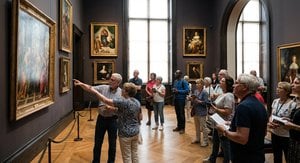
探索慕尼黑老绘画馆25幅杰作!从文艺复兴到巴洛克,领略卢本斯、伦勃朗等大师的经典油画。了解艺术史背后的故事,在家居装饰中融入永恒之美。WahooArt.com提供博物馆品质的艺术复制品,点亮您的生活空间。
探索美国国家艺术馆的25幅大师级杰作!深入了解塞尚、马蒂斯等艺术家的故事,感受印象派与现代艺术的魅力。WahooArt.com提供高品质油画复制品,点亮您的家居空间。立即在线探索完整系列!
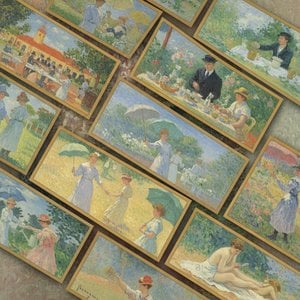
探索雷诺阿25幅经典之作,感受印象派大师的光影魅力与色彩诗意。从《舞会》到《煎饼磨坊》,WahooArt为您呈现艺术背后的故事与技巧。高品质艺术复制品,点亮您的家居空间!立即在WahooArt.com探索完整系列。

探索佛罗伦萨文艺复兴大师安杰利科的25幅传世名作!深入了解其宗教绘画、壁画艺术与天使般的风格。WahooArt.com提供高清复制品及精选装饰画,为您的室内空间增添永恒之美。立即在线探索完整系列!

探索马德里普拉多博物馆的25幅艺术瑰宝!深入了解委拉斯开兹、戈雅等大师的经典作品,感受巴洛克艺术的魅力。WahooArt.com提供精美油画复制品,为您的家居增添艺术气息。立即在线探索完整系列!


 效果预览
效果预览
 分享
分享 分享
分享
 详情
详情

 下载
下载
 相似作品
相似作品 X射线
X射线 幻灯片播放
幻灯片播放 统计数据
统计数据 展开详情
展开详情









 玻璃选项仅适用于110厘米以下的尺寸。


![The Procession To Calvary [detail] — 彼得·布鲁赫尔, Northern Mannerism](/media/artworks/images-thumb/cd/6e/cd6ed1a8a9ff3f207ad25305adfeb0f7.jpg)


