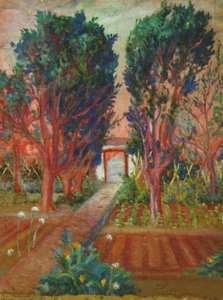
博物馆级艺术微喷或帆布版画,制作高效,并提供多种饰面选择。 ( 订购此收藏品的纯手工复刻画作 切换至数字图像销售渠道)
您可以从与原作比例一致的预设尺寸中进行选择。

您可以输入自定义尺寸,以适配特定的画框或空间。如果您选择的尺寸与原图比例不符,我们将对作品进行裁剪,或通过镜像填充/纯色填充边缘的方式来扩展图像。在开始制作之前,我们会向您发送一份数字效果图供您确认。
请注意,屏幕上的预览并不能反映实际的裁剪或扩展效果。只有效果图才能准确展示最终的构图。
虽然我们提供定制尺寸,但为了保持原图比例,我们建议您从预设列表中选择尺寸。

Spring Here
复刻品尺寸说明

Yang Xianrang (1930-) stands as a significant figure in twentieth-century Chinese art, particularly celebrated for his evocative blockprints and poignant depictions of rural life—a genre that powerfully embodies the spirit of his generation. Born in Mouping, Shandong Province, he embarked on his artistic journey after graduating from the Central Art Academy in 1952, establishing himself as a respected voice within China’s cultural landscape. His early career was marked by roles at the People's Fine Arts Publishing House and as a researcher companion to the Ministry of Culture, experiences that undoubtedly instilled in him a deep appreciation for documenting and preserving the rich tapestry of China’s heritage.
Throughout his prolific career, Xianrang consistently championed themes of patriotism, expressed through emotionally charged brushstrokes that captured the essence of everyday life. His work is not merely aesthetically pleasing; it serves as a vital record of China's cultural traditions and societal realities during the mid-century period. He skillfully blended traditional techniques with modern sensibilities, resulting in prints and paintings imbued with both meticulous detail and profound emotional resonance. By focusing on the rhythms of the countryside and the dignity of ordinary people, he transformed the mundane into something monumental.
The depth of Xianrang’s contribution to the arts extends far beyond his personal studio practice. He was a dedicated educator who believed in the power of nurturing future generations of creators. Serving as the president and professor of the Folk Art Department at the Central Art Academy, he played a pivotal role in shaping the trajectory of Chinese visual culture. His commitment to the preservation of folk traditions was matched by his leadership within the broader artistic community.
His professional achievements reflect a lifetime of service to the arts, including notable roles such as:
Through these positions, he actively contributed to artistic discourse and worked tirelessly to further the appreciation of folk art traditions. His influence remains a cornerstone of modern Chinese printmaking and painting, as he bridged the gap between ancient craftsmanship and contemporary expression. Even today, his work continues to resonate, offering a window into a transformative era of history through the lens of a master storyteller.

1930 - , China


 实景预览
实景预览
 发送
发送 分享
分享
 详情
详情 指南
指南

 下载图片
下载图片
 相似作品
相似作品 X射线
X射线 幻灯片播放
幻灯片播放 统计数据
统计数据

 阅读全文
阅读全文






































 玻璃选项仅适用于110厘米以下的尺寸。