效果预览效果预览 AR 预览AR 预览 切换至版画销售渠道 切换至版画销售渠道切换至数字图像销售渠道 切换至数字图像销售渠道 分享分享
详情详情 加入收藏 加入收藏 下载下载 相似作品相似作品 X射线X射线 幻灯片播放幻灯片播放 统计数据统计数据

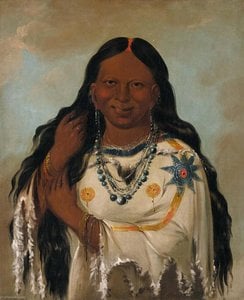
Kicking Bird

Explore William Stinson Soule's captivating black and white photograph of Kicking Bird, a Native American man embodying resilience and tradition during the Civil War era.

William Stinson Soule (1836-1908): American photographer of the Old West, famed for detailed portraits & Native American documentation. Explore his 19th-century legacy at WahooArt.

手工油画复制品

由我们的艺术家按需定制,为您提供您所选尺寸及画框的布面手工油画。 (切换至版画销售渠道 切换至版画销售渠道切换至数字图像销售渠道 切换至数字图像销售渠道)

P118B $10
P118H $10
P118W $10
P438Z $10
P508JH $12
P508YH $12
P805H $10
P805Z $10
P919BZ $10
P919G $10
P919XJ $10
P959ZH $10
P968JZ $12
W106C $8
W218G $10
W218JH $8
W218Y $10
W307PJ $10
W316G $10
W316PJ $8
W316Y $10
W398PJ $8
W4111J $10
W500HY $15
W500JH $15
W692G $12
W849H $8
W940BG $15
W953PJ $8

标准尺寸
定制
CM
INCH

从与原作比例一致的预设尺寸中进行选择。

宽度
高度

您可以输入自定义尺寸,以适配特定的画框或空间。如果所选尺寸与原图比例不符,我们将通过裁剪作品或添加手绘元素来扩展画面。数字样稿将在制作开始前发送给您确认。
请注意,屏幕预览无法准确反映实际的裁剪或扩展效果,只有样稿才能真实呈现最终的构图。
虽然我们提供定制尺寸服务,但为了保留原作比例,建议您从预设列表中选择尺寸。

可定制示例:将面部替换为客户照片;添加宠物(例如,将猫替换为狗);在背景中加入隐藏信息;更改背景风景或元素。
下单后,WahooArt.com 团队将通过电子邮件联系客户获取具体要求,并提供效果预览图。

全球配送(),仅需 3-4 周即可送达,无需等待标准时效的 5 周。(13 September)。品质绝不妥协。

why_choose_icon
全球免费特快专递服务
why_choose_icon
优质亚麻画布
why_choose_icon
全程运输保险
why_choose_icon
关税退款保证
why_choose_icon
色彩还原度保证
why_choose_icon
100天退货政策(仅限瑕疵品)
why_choose_icon
100%退款保证
why_choose_icon
多件购买优惠

总计金额

$ 272

reproduction

Kicking Bird

复制材质

复制品尺寸

-

最终总价

$ 272

作品概览

  • Medium: Photography
  • Artistic style: Portraiture
  • Subject or theme: Native American Figure
  • Title: Kicking Bird
  • Artist: William Stinson Soule

艺术知识测试

每道题只有一个正确答案。

题目 1:
What is the primary subject of this photograph?
题目 2:
In what year was this photograph taken?
题目 3:
What is William Stinson Soule known for?
题目 4:
The photograph depicts a Native American man holding what object?
题目 5:
What is the significance of the arrow in the image?

A Portrait of Resilience: William Stinson Soule’s “Kicking Bird”

The photograph "Kicking Bird," created by William Stinson Soule in 1870, stands as a testament to both the artistic prowess of its creator and the profound cultural significance embedded within Native American iconography. Captured in black and white, this image depicts Kicking Bird, a Cheyenne warrior, seated calmly beside a pipe – an emblem deeply rooted in Cheyenne spirituality and tradition. Soule’s meticulous attention to detail elevates “Kicking Bird” beyond mere documentation; it's a carefully considered portrayal that speaks volumes about the era’s fascination with ethnographic observation and the burgeoning field of photography as a tool for preserving cultural heritage.

The Artist’s Journey: From Civil War Soldier to Photographic Pioneer

William Stinson Soule’s life was shaped by pivotal experiences during the American Civil War. Enlisting with the 13th Massachusetts Volunteer Infantry, he bravely served on the Union side, sustaining injuries at Antietam – a battle that underscored the brutal realities of conflict and solidified his commitment to duty. Following the war, Soule pursued his passion for photography, establishing a studio in Chambersburg, Pennsylvania, before facing unforeseen hardship when a devastating fire consumed his business. Undeterred by setbacks, he relocated to Fort Dodge, Kansas, where he honed his skills as a clerk in the sutler’s store and ultimately secured the position of post photographer – an opportunity that allowed him to document the landscapes and people of the American West.

Technical Considerations: Soule's Photographic Approach

Soule employed albumen printing, a technique prevalent during the late 1860s and early 1870s. This process involved immersing paper in a solution containing egg whites and metallic salts – a laborious undertaking that demanded precision and patience. The resulting image possessed remarkable tonal range and sharpness, capturing subtle nuances of light and shadow with impressive accuracy. Soule’s skillful manipulation of exposure and dodging ensured that Kicking Bird's face was illuminated prominently, conveying both dignity and solemn contemplation. Furthermore, the photograph’s composition—the warrior positioned centrally against a muted backdrop—suggested an intention to convey respect for the subject and his cultural heritage.

Symbolism Within the Image: The Pipe as Spiritual Representation

The inclusion of the pipe is paramount to understanding “Kicking Bird.” For Cheyenne people, the pipe represents more than just a smoking instrument; it’s a conduit to the spirit world and a symbol of peace, healing, and connection with ancestors. Holding the pipe signifies Kicking Bird's adherence to Cheyenne traditions and his engagement in rituals intended to foster harmony and spiritual awareness. The posture itself—seated calmly—reflects a contemplative demeanor that embodies resilience and inner strength – qualities admired within Cheyenne culture during this period of westward expansion and increasing interaction with European settlers.

Emotional Resonance: Capturing the Essence of Cheyenne Identity

“Kicking Bird” transcends its technical merits to evoke a powerful emotional response. The photograph’s stark monochrome palette contributes to its solemn atmosphere, emphasizing the seriousness of the subject matter and conveying a sense of timelessness. Soule's portrayal captures not only Kicking Bird's physical appearance but also his inner spirit—a quiet dignity born from unwavering faith in tradition and a profound connection to Cheyenne heritage. It serves as an enduring reminder of the importance of preserving cultural narratives and honoring the experiences of indigenous communities during a transformative era in American history.

艺术家简介

William Stinson Soule: A Life in Photography

Early Life and Military Service

William Stinson Soule, also known as Will Soule, was born on August 26, 1836, in Turner, Maine, the son of John Soule and Mary (née True). His early life took a dramatic turn with the outbreak of the American Civil War. He enlisted with the 13th Massachusetts Volunteer Infantry, serving the Union Army. Soule was wounded at the Battle of Antietam on September 17, 1862, and subsequently served out the remainder of the war with the Veteran Reserve Corps.

Photographic Career: From Pennsylvania to the West

Following his military service, Soule embarked on a career in photography. In 1865, he opened a studio and gallery in Chambersburg, Pennsylvania. However, this venture was short-lived; a fire destroyed his business in early 1867. Undeterred, Soule moved west to Fort Dodge, Kansas, where he worked as a clerk in the sutler's store.

A pivotal moment arrived in 1869 when Soule became the post photographer at Fort Sill, Indian Territory (present-day Oklahoma). For six years, he held this position, capturing high-quality portraits and photographs of Native American individuals and groups. This period represents the most significant contribution to his photographic legacy.

Work and Style

Soule’s work is characterized by its technical proficiency and attention to detail – hallmarks of late 19th-century photography. His portraits, particularly those of Native Americans, are notable for their dignity and respect. He wasn't simply documenting; he was creating lasting visual records of a changing era.

  • Portraiture: Soule excelled in portrait photography, capturing the likenesses of soldiers, settlers, and especially Native American leaders and families.
  • Documentation: His photographs served as important documentation of life on the frontier during a period of significant cultural contact and conflict.
  • Technical Skill: Soule’s work demonstrates mastery of photographic techniques available at the time, including wet plate collodion processes.

Later Life and Legacy

In 1875, Soule left Fort Sill and returned east. He married Ella Augusta Blackman that year and resided in Philadelphia before moving to Vermont and finally settling in Boston in 1882. There, he took over his older brother's business, the Soule Art Company, until his retirement in 1900.

William Stinson Soule passed away on August 12, 1908. While not a household name today, his photographs remain invaluable historical resources, offering insights into the American West and its diverse inhabitants during a crucial period of transformation.

Historical Significance

Soule’s contributions lie in his meticulous documentation of Native American life and culture at a time when these communities were undergoing profound changes. His photographs provide a visual record that complements written accounts, offering a more nuanced understanding of the era. His work continues to be studied by historians and art enthusiasts alike, ensuring his place as an important figure in the history of Western photography.

william stinson soule

william stinson soule

1836 - 1908 , United States of America

艺术家简介

  • Birth Date: August 26, 1836
  • Birth Place: Turner, Maine, United States of America
  • Death Date: August 12, 1908
  • Movement: Photography
  • Name: William Stinson Soule
  • Nationality: American
  • Notable Works: Photographs of Native American subjects and the American West (specifically Kicking Bird)