
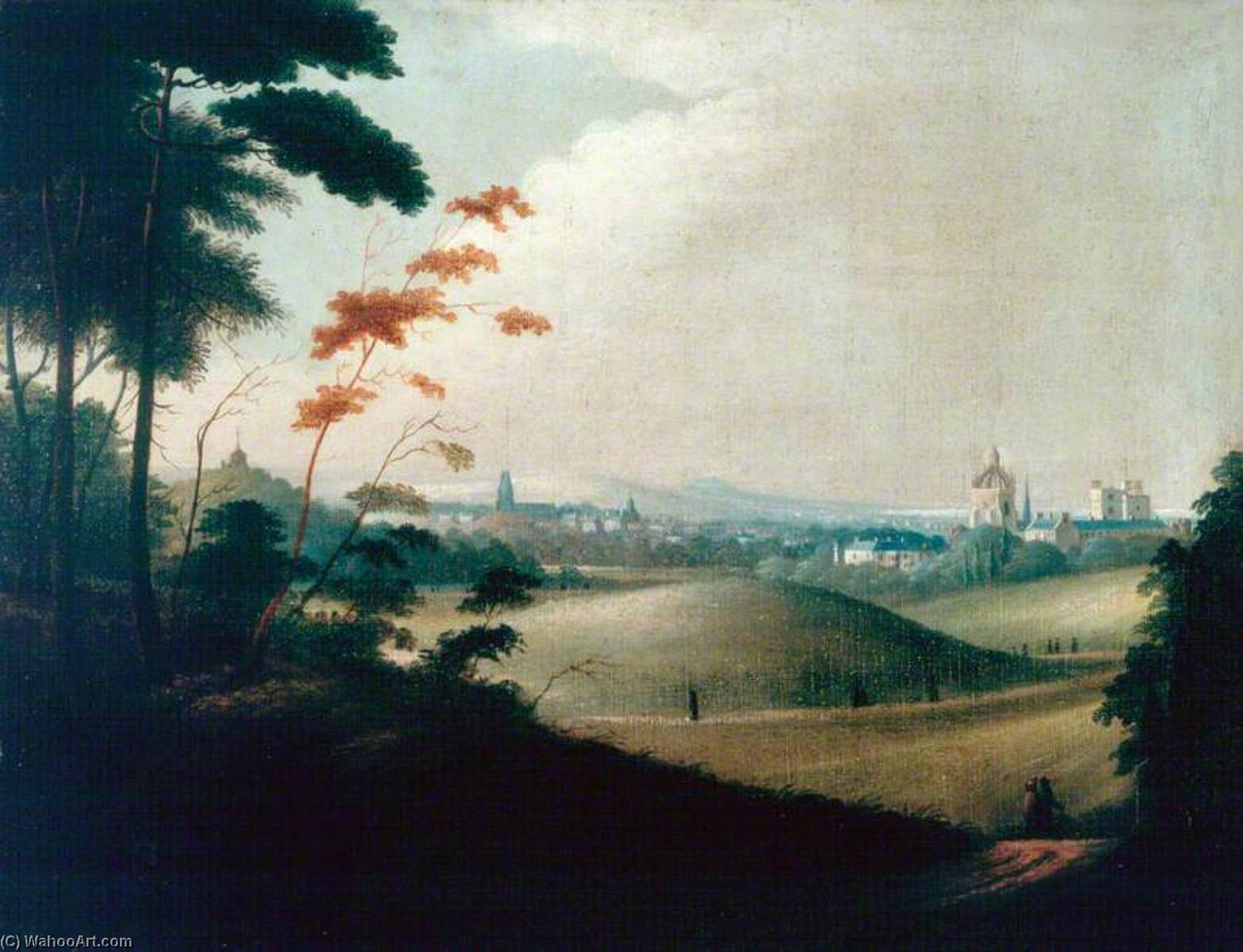
 66.0 x 85.0 cm
购买高分辨率增强版数字图像,其品质远超在线预览。
每一份文件都由我们的内部专家使用先进工具与专业的后期润色技术精心打造。我们确保每一张图像都具备卓越的清晰度、精准的色彩还原度以及细腻的细节表现。
最终文件将在 72 小时内通过电子邮件交付,并针对专业、编辑及印刷用途进行了优化。其品质与顶级设计工作室、出版社和画廊所信赖的标准完全一致。
下载高分辨率文件,用于个人展示、打印及创意项目。 ( Switch to Print 购买手绘画作)
选择 WahooArt.com,您获得的不仅仅是一张图像——您收到的是经过专业级增强、精雕细琢的数字艺术作品,并享有满意保证。以下是您的订单中自动包含的所有内容:

您的高分辨率数字图像文件将在下单后 72 小时内通过电子邮件发送给您 —— 即可立即使用。

您的艺术品经过专业优化,结合先进的 AI 技术与人工修饰,确保呈现极致的细节、清晰度与色彩准确度。

不小心删除了文件或找不到了?没关系——我们将随时为您免费重发。

即刻拥有您的艺术作品,无需支付任何关税、税费或运费——数字下载始终免税。

我们通过专业工具与色彩管理技术,确保您的数字图像尽可能真实地还原原作色彩。

如果您对所购数字图像不满意,我们将在100天内为您进行修改或提供100%的全额退款——无需任何理由。

不满意?在收到数字文件后的100天内,您可以申请全额退款——无需任何理由。

购买 3 张图片可享 10% 折扣 - 购买 5 张可享 15% 折扣 - 购买 10+ 张可享 20% 折扣。非常适合创意项目、画廊和机构使用。

William Mosman (c. 1700 – 1771) stands as a pivotal, yet often overlooked, figure in 18th-century British art. More than simply a portrait painter, he was a meticulous craftsman and keen observer of his time, capturing the elegance and social intricacies of Georgian Scotland and England with remarkable skill and sensitivity. His work offers a unique window into the lives of nobility, reflecting both the formal conventions of courtly portraiture and a burgeoning desire for more intimate and revealing representations of his subjects.
Born in Aberdeen, Mosman’s early life remains somewhat shrouded in mystery. He apprenticed as a goldsmith, inheriting a tradition of craftsmanship deeply rooted in the region. This foundational knowledge profoundly influenced his artistic approach – a meticulous attention to detail, an understanding of materials, and a mastery of technique that extended far beyond mere likeness. Around 1732, he embarked on a transformative journey to Rome, seeking formal training under Francesco Imperiali, a renowned painter known for his dramatic Baroque style. This period proved crucial, exposing him to Italian artistic principles and shaping the foundation of his later work. However, Mosman didn’t simply replicate Italian techniques; he adapted them to his own sensibilities, incorporating elements of Rococo elegance while retaining a distinctly Scottish sensibility.
Returning to Scotland in 1738, Mosman quickly established himself as a sought-after portraitist within the aristocratic circles of Aberdeen and Edinburgh. He was commissioned by prominent families, including the Duff family, and his work became increasingly refined and sophisticated. His portraits were not merely representations; they were carefully constructed narratives, revealing social status, personality, and even subtle emotional cues. He skillfully employed a range of techniques – oil painting on canvas, pastel, and engraving – to achieve varying effects, from the rich textures of opulent fabrics to the delicate nuances of facial expression.
A significant aspect of Mosman’s career involved his role as an ‘agent’ for Scottish collectors acquiring art in Rome. This position afforded him access to a wider range of artistic influences and provided valuable insights into the European art market. He was also entrusted with the task of authenticating and valuing artworks, demonstrating his expertise and establishing his reputation within the art world. His involvement with Mary, Queen of Scots, during her imprisonment at Lochleven Castle further cemented his position as a trusted artist within the Scottish court.
Mosman’s style is characterized by its remarkable balance between formality and naturalism. His compositions are typically balanced and symmetrical, reflecting the conventions of courtly portraiture. However, he avoided rigidness, introducing subtle variations in pose, gesture, and expression that brought his subjects to life. He was a master of capturing texture – the sheen of silk gowns, the weight of jewels, the ruggedness of Scottish landscapes – using carefully layered glazes and meticulous detailing. His use of light and shadow created a sense of depth and drama, enhancing the visual impact of his portraits.
Mosman’s influence extended beyond portraiture. He was also involved in designing and executing decorative elements for aristocratic interiors, including furniture fittings and wall hangings. His understanding of materials and craftsmanship ensured that these pieces were not only aesthetically pleasing but also durable and functional. His work reflects a deep appreciation for beauty, elegance, and the traditions of Scottish artistry.
Despite his considerable talent and contributions to British art, William Mosman has often been overshadowed by more prominent contemporaries. However, recent scholarship is beginning to recognize his importance as a key figure in 18th-century portraiture. His works are now housed in prestigious collections, including the Wilberforce House Museum in York and the Aberdeen Royal Infirmary Art Collection, offering visitors a glimpse into the life and artistry of this remarkable Scottish master. Mosman’s legacy lies not only in his individual portraits but also in his embodiment of a unique artistic vision – one that seamlessly blended technical skill with social observation and emotional sensitivity.
Further research continues to shed light on aspects of Mosman's life and career, solidifying his place as a significant contributor to the rich tapestry of British art history. His work serves as a testament to the enduring power of portraiture to capture not just likeness but also the essence of human experience.

1700 - 1771

 效果预览
效果预览
 分享
分享 分享
分享
 详情
详情

 下载
下载
 相似作品
相似作品 X射线
X射线 幻灯片播放
幻灯片播放 Stats
Stats 展开详情
展开详情


