
 Arts and Crafts
 187619th Century
 58.0 x 59.0 cm
 威廉·莫里斯美术馆
博物馆级艺术微喷或帆布版画,制作高效,并提供多种饰面选择。 ( 订购此收藏品的纯手工复刻画作 切换至数字图像销售渠道)





























您可以从与原作比例一致的预设尺寸中进行选择。

您可以输入自定义尺寸,以适配特定的画框或空间。如果您选择的尺寸与原图比例不符,我们将对作品进行裁剪,或通过镜像填充/纯色填充边缘的方式来扩展图像。在开始制作之前,我们会向您发送一份数字效果图供您确认。
请注意,屏幕上的预览并不能反映实际的裁剪或扩展效果。只有效果图才能准确展示最终的构图。
虽然我们提供定制尺寸,但为了保持原图比例,我们建议您从预设列表中选择尺寸。
Design for
复刻品尺寸说明
In the delicate interplay of flora and geometry, Design for stands as a profound testament to the visionary genius of William Morris. Created in 1876, this exquisite piece is far more than a mere decorative pattern; it is a bridge between the artisanal traditions of the past and the burgeoning aesthetic movements of the nineteenth century. The work captures a moment where nature and craftsmanship converge, offering a rhythmic dance of leaves and blossoms that seems to breathe with an organic vitality. For the discerning collector or interior designer, this piece serves as a window into the soul of the Arts and Crafts movement, embodying a period when beauty was viewed as a fundamental necessity for the human spirit.
The origins of this design are rooted in a deep reverence for historical craftsmanship. Morris drew his inspiration from two seventeenth-century Italian lacis work panels, which had been acquired by the South Kensington Museum. This technique, involving handmade net onto which intricate designs are darned, provided the structural blueprint for Morris’s botanical arrangement. By translating the delicate, lace-like textures of lacis into a broader design language, he achieved a sense of layered depth. The composition features flowers positioned at varying distances, creating a sophisticated illusion of foreground and background that draws the eye through a lush, verdant labyrinth.
At its heart, this work reflects Morris’s lifelong devotion to the English countryside and his belief in the moral superiority of natural beauty over industrial mechanization. Every leaf and petal is rendered with an intentionality that suggests a deeper cosmic order. The way the foliage intertwines and overlaps symbolizes the interconnectedness of all living things—a theme that resonates deeply with those who seek to bring the tranquility of the outdoors into their living spaces. There is a romanticism here, a nod to medieval chivalry and the pastoral idylls of his youth, which imbues the pattern with a sense of timelessness and grace.
For those looking to curate an environment of sophistication and warmth, this design offers unparalleled versatility. Whether integrated into a grand period room or used as a focal point in a contemporary minimalist setting, the piece commands attention through its subtle complexity. The monochrome essence of the original study highlights the masterful use of line and negative space, making it an ideal inspiration for high-quality reproductions that aim to capture the true essence of Morris’s hand. To possess such a design is to hold a fragment of history, a piece of art that continues to whisper the secrets of a more beautiful, handcrafted age.
"Design for" 的指南位于作品的 指南 页面 —— 这是一份可打印的信息单,展示了该作品及其说明、署名以及详细信息表(艺术家、日期、媒介、原尺寸、馆藏)。
"Design for" 由 威廉·莫里斯 以 Arts and Crafts 流派风格创作而成。艺术家与艺术流派共同定义了作品的传承。
威廉·莫里斯 的作品《Design for》已进入 属于公有领域 —— 其版权已过期。版权期限自艺术家逝世之日起计算,威廉·莫里斯 于 1896 年逝世。
威廉·莫里斯 也被称为 Morris, Marshall, Faulkner & Co., 莫里斯、马歇尔、福克纳与公司。
馆藏于 威廉·莫里斯美术馆 的 威廉·莫里斯 的《Design for》 属于 属于公有领域 —— 其版权已过期。这一状态决定了该图像是否可以进行复制。
威廉·莫里斯 的《Design for》 的色彩呈现出一种 Unified Palette 的和谐感。这种和谐感描述了色彩之间的相互关系。
在威廉·莫里斯的作品集中,"Design for" 呈现出Arts and Crafts风格,并贯穿着italian lacis work, seventeenth-century design, nature and medievalism, arts and crafts movement, decorative pattern design的主题。
威廉·莫里斯 的《Design for》 中呈现的主题包括 floral design, nature, botanical, pattern, leaves, lacis work, ornamental。这些主题共同构成了该艺术作品的主旨。


1834 - 1896 , 英国

Discover the exquisite era of Victorian Naturalism. Explore how master artists blended scientific precision with breathtaking realism to capture the soul of nature through botanical oil paintings and legendary landscapes.

Explore the exquisite intersection of science and art in botanical illustration. Discover the history, technical mastery, and timeless beauty of scientific floral studies from Renaissance masters to modern collectors.
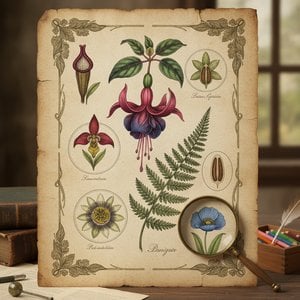
Discover the exquisite world of Victorian botanical art. Explore the intersection of scientific precision and luxury aesthetics through masterfully curated floral illustrations and hand-painted oil reproductions for discerning collectors and fine interiors.

Discover the breathtaking botanical world of Marianne North. Explore her vibrant Victorian oil paintings of exotic landscapes, from Brazil to Jamaica, through an expert art-historical lens. Perfect for classic art enthusiasts and collectors of fine natural history art.


 实景预览
实景预览
 发送
发送 分享
分享
 详情
详情 指南
指南

 下载图片
下载图片
 相似作品
相似作品 X射线
X射线 幻灯片播放
幻灯片播放 统计数据
统计数据 阅读全文
阅读全文









 玻璃选项仅适用于110厘米以下的尺寸。


