
由我们的艺术家按需定制,为您提供您所选尺寸及画框的布面手工油画。 ( 切换至版画销售渠道 切换至数字图像销售渠道)





























从与原作比例一致的预设尺寸中进行选择。

您可以输入自定义尺寸,以适配特定的画框或空间。如果所选尺寸与原图比例不符,我们将通过裁剪作品或添加手绘元素来扩展画面。数字样稿将在制作开始前发送给您确认。
请注意,屏幕预览无法准确反映实际的裁剪或扩展效果,只有样稿才能真实呈现最终的构图。
虽然我们提供定制尺寸服务,但为了保留原作比例,建议您从预设列表中选择尺寸。

Mortality and Immortality
复制品尺寸
In the quiet, contemplative realm of 19th-century American realism, few works command attention with as much haunting precision as William Michael Harnett’s Mortality and Immortality. Painted in 1876, this extraordinary oil on canvas serves as a profound meditation on the human condition, inviting viewers to step into a space where the boundaries between reality and illusion dissolve. Harnett, a master of the trompe l'oeil technique—literally meaning "deceive the eye"—utilizes his unparalleled skill to create a scene so lifelike that the objects appear to rest upon the surface of the canvas itself. For the discerning collector or interior designer, this piece offers more than mere decoration; it provides a window into a sophisticated dialogue between the tangible world and the eternal spirit.
The composition is anchored by a striking central motif: a stark, anatomically detailed skull resting atop an open book of musical notation. This juxtaposition creates a powerful symbolic tension. The skull, a classic memento mori, serves as a visceral reminder of the inevelatibility of death and the transience of physical life. Yet, beneath this symbol of decay lies the music—the flowing notes that represent the enduring, immortal nature of art and melody. Through this arrangement, Harnett suggests that while the flesh is fleeting, the beauty of human expression possesses a timeless resonance that transcends the grave.
Beyond the central focus, Harnett meticulously populates the scene with a collection of objects that deepen the painting's narrative layers. To the right, a violin rests in silent vigil, its presence echoing the musical themes found within the book and reinforcing the concept of harmony amidst decay. A delicate bowl sits near the bottom left, while two elegantly positioned vases frame the composition, their intricate patterns showcasing the artist's technical virtuosity. Each element is placed with deliberate intent, contributing to a sense of "still life" that is anything but static. The textures—the cold hardness of bone, the weathered paper of the book, and the smooth glaze of the ceramics—are rendered with such breathtaking accuracy that they evoke a tactile response from the viewer.
This careful arrangement serves as an exquisite metaphor for the fragility of human creation. The vases and fine objects represent the beauty we craft during our brief time on earth, standing in quiet contrast to the inevitable return to dust represented by the skull. For those looking to grace a sophisticated living space or a curated gallery wall, this artwork brings a sense of intellectual depth and historical gravity. It is a piece that rewards prolonged study, revealing new details and emotional nuances with every glance.
Harnett’s work occupies a unique position in art history, bridging the gap between the meticulous craftsmanship of European traditions and the burgeoning realism of the American spirit. His ability to elevate mundane, everyday objects into profound philosophical statements makes Mortality and Immortality a perennial favorite for those who appreciate art with substance. Whether integrated into a classic study, a contemporary library, or a grand hall, a high-quality reproduction of this masterpiece brings an atmosphere of scholarly elegance and contemplative peace.
Owning a piece of this caliber allows one to participate in the legacy of the "Illusionist of Everyday Life." It is an investment in a conversation that has lasted since 1876—a conversation about what remains when all else fades. For the art lover, it is a source of endless fascination; for the designer, it is a cornerstone of sophisticated storytelling within an interior space.


1848 - 1892 , 爱尔兰
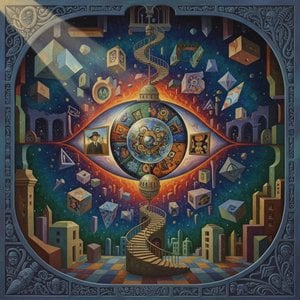
Embark on a visual journey through the world's most captivating illusions. From Trompe l'oeil realism to the geometric wonders of Op Art, explore how master artists manipulate perception and depth to create timeless masterpieces of optical wonder.

Embark on a visual journey through history's most captivating optical illusions. From Trompe l'oeil to Op Art, explore the masterpieces that challenge perception and redefine reality in the world of fine art.


 效果预览
效果预览
 分享
分享 分享
分享
 详情
详情

 下载
下载
 相似作品
相似作品 X射线
X射线 幻灯片播放
幻灯片播放 统计数据
统计数据

 展开详情
展开详情









 玻璃选项仅适用于110厘米以下的尺寸。


