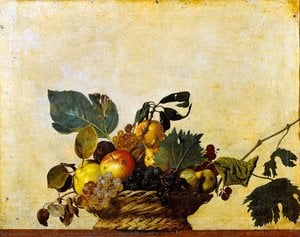
购买高分辨率增强版数字图像,其品质远超在线预览。
每一份文件都由我们的内部专家使用先进工具与专业的后期润色技术精心打造。我们确保每一张图像都具备卓越的清晰度、精准的色彩还原度以及细腻的细节表现。
最终文件将在 72 小时内通过电子邮件交付,并针对专业、编辑及印刷用途进行了优化。其品质与顶级设计工作室、出版社和画廊所信赖的标准完全一致。
选择 WahooArt.com,您获得的不仅仅是一张图像——您收到的是经过专业级增强、精雕细琢的数字艺术作品,并享有满意保证。以下是您的订单中自动包含的所有内容:

您的高分辨率数字图像文件将在下单后 72 小时内通过电子邮件发送给您 —— 即可立即使用。

您的艺术品经过专业优化,结合先进的 AI 技术与人工修饰,确保呈现极致的细节、清晰度与色彩准确度。

不小心删除了文件或找不到了?没关系——我们将随时为您免费重发。

即刻拥有您的艺术作品,无需支付任何关税、税费或运费——数字下载始终免税。

我们通过专业工具与色彩管理技术,确保您的数字图像尽可能真实地还原原作色彩。

如果您对所购数字图像不满意,我们将在100天内为您进行修改或提供100%的全额退款——无需任何理由。

不满意?在收到数字文件后的100天内,您可以申请全额退款——无需任何理由。

购买 3 张图片可享 10% 折扣 - 购买 5 张可享 15% 折扣 - 购买 10+ 张可享 20% 折扣。非常适合创意项目、画廊和机构使用。

In the heart of the Victorian era, a period often defined by rapid industrialization and sweeping social change, there existed a profound longing for the stillness of the natural world. It was within this cultural landscape that William Hughes (1842–1901) carved out a unique and enduring niche. Born in the agricultural expanses of Lincolnshire, England, Hughes’s early life was deeply intertwined with the rhythms of the countryside. This intimate connection to the land would later become the cornerstone of his artistic identity, as he dedicated his career to capturing the serene, often overlooked moments of rural British life. While his name may not resonate with the same immediate fame as some of his more dramatic contemporaries, his body of work offers a window into a lost era of pastoral tranquility.
Hughes’s journey toward mastery began in earnest at the Lincoln School of Art, where he entered formal training in 1863. It was here that he honed the technical precision that would become his hallmark. His education provided him with a rigorous foundation in traditional techniques, particularly the delicate art of watercolor. However, perhaps the most transformative influence on his development was his study under the renowned George Frederic Watts. From Watts, Hughes inherited more than just technical skill; he adopted a philosophy of emotional resonance. Watts taught that an artist must look beyond the mere surface of a subject to capture its inner spirit. This guidance encouraged Hughes to approach his landscapes not merely as topographical records, but as emotive studies where light and texture could evoke a sense of quiet contemplation and peace.
The brilliance of Hughes’s work lies in his extraordinary ability to render the tactile reality of the English landscape. He possessed an almost scientific devotion to detail, yet he never allowed his precision to descend into coldness. Instead, his paintings are imbued with a soft, luminous quality that suggests the warmth of sunlight filtering through a summer haze or the damp coolness of a morning mist. His technique involved a meticulous layering of watercolor washes, a process that allowed him to build depth and complexity within a single scene. Through this method, he could recreate the ruggedness of an ancient stone wall, the soft velvet of moss-covered earth, or the gentle undulation of hills dotted with grazing sheep.
His compositions often eschewed the grand, sweeping vistas favored by many landscape painters of the 19th century. Instead, Hughes found beauty in the intimate and the small-scale. His subjects were frequently:
As the 19th century drew to a close, the world was moving toward the fragmented perspectives of Modernism. Yet, Hughes remained steadfast in his commitment to the observational traditions of his youth. He died in London in 1901, leaving behind a legacy of approximately 350 paintings that serve as a vital record of the British pastoral tradition. His work stands as a testament to the enduring power of the landscape to provide solace and a sense of continuity.
Today, the significance of William Hughes lies in his ability to bridge the gap between technical excellence and emotional depth. He did not merely paint what he saw; he painted how the landscape felt. In an age of constant movement, his paintings offer a sanctuary of stillness. Collectors and art historians continue to find value in his work, drawn to the sincerity of his vision and the masterful way he captured the fleeting, beautiful nuances of the natural world. His oeuvre remains a cherished part of the Victorian artistic canon, reminding us of the profound beauty found in the quietest corners of our earth.

1842 - 1901 , United Kingdom


 效果预览
效果预览
 切换至版画销售渠道
 分享
分享 分享
分享
 详情
详情

 下载
下载
 相似作品
相似作品 X射线
X射线 幻灯片播放
幻灯片播放 统计数据
统计数据 展开详情
展开详情