
由我们的艺术家按需定制,为您提供您所选尺寸及画框的布面手工油画。 ( 切换至版画销售渠道 切换至数字图像销售渠道)





























从与原作比例一致的预设尺寸中进行选择。

您可以输入自定义尺寸,以适配特定的画框或空间。如果所选尺寸与原图比例不符,我们将通过裁剪作品或添加手绘元素来扩展画面。数字样稿将在制作开始前发送给您确认。
请注意,屏幕预览无法准确反映实际的裁剪或扩展效果,只有样稿才能真实呈现最终的构图。
虽然我们提供定制尺寸服务,但为了保留原作比例,建议您从预设列表中选择尺寸。

Chairing the Member
复制品尺寸
William Hogarth’s “Chairing the Member,” completed in 1758, stands as a cornerstone of British art history—a masterful distillation of social critique and theatrical observation that continues to resonate with audiences today. More than just a depiction of an event, it's a meticulously crafted commentary on power dynamics, hypocrisy, and the performative nature of public life during the Enlightenment.
The painting captures a moment of brazen defiance within the confines of London’s prisons—specifically, Bedlam Royal Hospital. Two inmates orchestrated a mock election, electing themselves as Members of Parliament in a calculated act designed to expose the failings of the political establishment. Hogarth brilliantly portrays this spectacle with unflinching realism, capturing not only the physical scene but also the psychological tension palpable amongst those involved.
Hogarth’s style exemplifies the burgeoning neoclassical movement—characterized by clarity of form, precise draughtsmanship, and an emphasis on conveying emotion through gesture. Unlike the ornate Rococo styles prevalent before him, Hogarth eschewed excessive ornamentation in favor of a restrained palette and meticulous attention to detail. The artist skillfully employs chiaroscuro – dramatic contrasts between light and dark – to sculpt the figures and heighten the theatrical impact of the composition.
The canvas itself is dominated by a monumental figure—the “Member,” seated awkwardly in a chair, subjected to the indignity of being forcibly ejected by a group of guards. Hogarth’s masterful use of perspective draws the viewer into the scene, creating an immersive experience that underscores the vulnerability of the individual against institutional authority.
While the mock election serves as the immediate subject matter, “Chairing the Member” operates on a deeper symbolic level. The clocks prominently displayed—one at the top left corner and another centrally positioned—represent time’s relentless march toward judgment and underscore the futility of resisting societal pressures. Furthermore, Hogarth's inclusion of the horse symbolizes nobility and power – juxtaposed against the humiliation of the imprisoned men.
Painted during a period marked by anxieties surrounding social reform and political corruption, “Chairing the Member” reflects Hogarth’s broader commitment to exposing hypocrisy and challenging conventional morality. It is a testament to his ability to transform observation into profound artistic expression—a legacy that continues to inspire artists and scholars alike.
The painting's enduring power lies in its unflinching portrayal of human behavior and its unsettling depiction of institutional injustice. Hogarth compels us to confront the illusion of grandeur and privilege that masks underlying vulnerabilities. “Chairing the Member” remains a poignant reminder of the importance of questioning authority and resisting conformity—a timeless masterpiece that speaks volumes about the complexities of human experience.


1697 - 1764 , 英国

Explore the satirical world of William Hogarth, pioneering British painter & engraver. Discover his iconic works like *A Rake's Progress* and insightful social commentary on 18th-century London life.

Journey through 18th century art! Explore 10 iconic paintings – from Rococo elegance to Neoclassical grandeur. Discover Fragonard, David & more. Find museum-quality reproductions and elevate your home decor on WahooArt.com.

Explore the history of satire in art! From ancient masters like Aristophanes to Goya & Grosz, discover how artists use wit and critique to reflect—and challenge—society. Expert insights at WahooArt.

Explore the world of 18th-century portraiture with WahooArt. Discover symbolism, artistic innovation & societal values reflected in masterpieces by Reynolds, Hogarth & more. Expert insights for collectors.
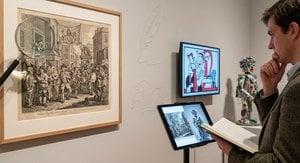
Explore the history of satire in art! From Hogarth's London to contemporary critique, discover how artists use wit & visual power to reflect and challenge society. Expert insights at WahooArt.


 效果预览
效果预览
 分享
分享 分享
分享
 详情
详情

 下载
下载
 相似作品
相似作品 X射线
X射线 幻灯片播放
幻灯片播放 统计数据
统计数据
 展开详情
展开详情









 玻璃选项仅适用于110厘米以下的尺寸。


