
x































从与原作比例一致的预设尺寸中进行选择。

您可以输入自定义尺寸,以适配特定的画框或空间。如果您选择的尺寸与原图比例不符,我们将对作品进行裁剪,或通过镜像填充/纯色填充边缘的方式来扩展图像。在开始制作之前,我们会向您发送一份数字效果图供您确认。
请注意,屏幕上的预览并不能反映实际的裁剪或扩展效果。只有效果图才能准确展示最终的构图。
虽然我们提供定制尺寸,但为了保持原图比例,我们建议您从预设列表中选择尺寸。

Boy and goat
复制品尺寸
William Henry Hunt's “Boy and Goat,” painted in 1836, isn’t merely a depiction of rural life; it’s a carefully constructed tableau brimming with quiet observation and a subtle yearning for simpler times. The watercolor captures a young boy, seemingly lost in contemplation, standing beside a sturdy black goat within a sun-drenched field. The scene unfolds with an immediacy that draws the viewer into its gentle embrace – a feeling of timelessness and serene connection to the natural world. It’s a work that speaks volumes without uttering a single word, inviting us to contemplate the beauty of observation and the inherent dignity of everyday existence.
Hunt, a pivotal figure in British watercolor painting during the Victorian era, was deeply influenced by his association with William Blake, embracing a spirit of romanticism and a fascination with symbolism. This influence is evident in the painting’s evocative atmosphere and its deliberate avoidance of rigid academic conventions. He wasn't interested in grand narratives or dramatic displays; instead, he sought to capture the essence of a moment, imbuing it with emotional resonance through careful brushwork and nuanced color choices.
The painting’s distinctive style is rooted firmly in the British watercolor tradition, particularly the work of John Varley, Hunt's mentor. Hunt masterfully employs a loose, expressive technique—a hallmark of his approach—allowing for washes of color to bleed and blend seamlessly. The brushstrokes are visible yet controlled, creating a sense of texture and depth that is both tactile and luminous. Notice how he uses light to sculpt the forms, particularly in the boy’s face and the goat's coat, suggesting volume and form through subtle variations in tone. The hazy background, rendered with delicate washes of blue and green, further enhances the painting’s atmospheric quality, creating a sense of distance and inviting the viewer to imagine the landscape beyond.
“Boy and Goat” transcends its surface depiction, offering a rich tapestry of symbolic meaning. The boy, often interpreted as representing innocence and vulnerability, appears lost in thought, perhaps contemplating the mysteries of the natural world or simply enjoying a moment of quiet contemplation. The goat, traditionally associated with rustic simplicity and resilience, embodies a connection to the earth and a steadfastness that contrasts with the boy’s youthful curiosity. The juxtaposition of these two figures creates a dynamic tension—a dialogue between innocence and experience, between the human spirit and the natural world.
Furthermore, the painting can be viewed as an elegy for a disappearing rural landscape, reflecting a growing awareness of industrialization and its impact on traditional ways of life. Hunt’s careful attention to detail—the texture of the grass, the warmth of the sunlight—evokes a sense of nostalgia for a bygone era.
William Henry Hunt's “Boy and Goat” remains a beloved work of art, admired for its beauty, emotional depth, and technical mastery. Reproductions offer an accessible way to experience the painting’s captivating charm in your own home or office. When selecting a reproduction, consider the medium—watercolor on paper is ideal for capturing Hunt's delicate brushwork and luminous colors. Whether displayed as a statement piece or incorporated into a more subtle interior design scheme, “Boy and Goat” continues to evoke a sense of peace, wonder, and connection to the enduring beauty of the natural world.

在英国水彩画的黄金时代,鲜有人能像威廉·亨利·亨特那样,拥有如此细腻的精准度与充满灵魂的观察力。亨特出生于伦敦繁华的切普赛德,作为维多利亚时代的关键人物脱颖而出;那是一个通过深邃的精神与审美敏感度来捕捉自然亲密感的时代。他对光影与颜料掌控力的修行,始于在受人尊敬的约翰·瓦利指导下的历练,这段关系远不止于一场简单的学徒生涯。通过瓦利,亨特接触到了一个富有远见的思想脉络,并与威廉·布莱克等艺术家的神秘主义及象征主义传统建立了深层的联系。这种早期的熏陶赋予了他一种终身受用的能力:去透视事物表象之外的深意,在简单的鸟巢或一簇野花中,寻觅那份静谧而鲜活的生命本质。
随着技艺的日臻成熟,亨特通过他在水彩画家协会中的卓越贡献,成为了当时蓬勃发展的伦敦艺术界不可或缺的一部分。他在这一享有盛誉的机构中地位不断攀升——到1827年已从准会员晋升为正式会员——这标志着他成为同时代艺术家中的领军人物。不同于当时占据主流的僵化学院派风格,亨特的作品拥抱了水彩媒介那流动且富有情感的无限可能。他精通透明色层叠加的艺术,以此营造出一种内在的光泽感,并经常利用纸张粗糙的纹理来暗示自然界有机结构的复杂性。他的构图绝非仅仅为了装饰;它们是关于质感与氛围经过精心编排的研究篇章。
亨特作品真正的魔力,在于他能够将平凡之物升华为壮丽之境。他在静物画领域拥有非凡的天赋,尤其是在植物学与鸟类学的表现上。他的杰作,如令人叹为观止的苔藓岸边的报春花与鸟巢,展现了近乎科学般的细节关注,并将其与浪漫、梦幻的氛围完美融合。在这些作品中,人们可以清晰地追踪到花瓣上纤细的脉络或鸟巢脆弱的结构,所有的笔触都带着一种柔和感,暗示着生命本身转瞬即逝的本质。这种对地球上微小且常被忽视之美的痴迷,使他创造出一种亲密感,与维多利亚时代对自然史及居家美学的迷恋产生了深远的共鸣。
除了植物研究,亨特的艺术范畴还延伸到了捕捉19世纪乡村生活节奏的迷人叙事场景中。无论是描绘男孩与山羊中的静谧陪伴,还是展现盆栽房里的园丁那勤劳而踏实的现实生活,他的作品始终保持着一种温暖且平易近人的特质。他的技法使他能够在以下风格间游刃有余地转换:
威廉·亨利·亨特的历史重要性远远超出了他的技术成就。他正处于浪漫主义与19世纪中叶新兴现实主义的交汇点上。通过摒弃传统油画沉重、不透明的惯例,转而追求水彩的透明度与光感,他帮助重新定义了这一媒介所能达到的艺术边界。他的作品充当了一座桥梁,连接着其导师们那富有远见且具象征意义的传统,以及随后出现的更偏向观察性的自然主义运动。
时至今日,亨特的遗产仍保存在他那些幸存作品的宁静之美中,持续吸引着收藏家与艺术史学家。他作为英国画派基石的地位依然稳固,人们铭记他不只是一个技艺精湛的匠人,更是一位“微观世界的诗人”——一位能在单滴颜料或苔藓岸边的曲线中发现整个宇宙的艺术家。他赋予自然界以永恒与优雅的能力,确保了他对英国艺术的贡献,正如他那大师级创作的水彩画一般,永远闪耀着光芒。

1827 - 1910 , 英国

Journey through 10 legendary watercolor masterpieces by Sargent, Turner & Homer! Explore iconic landscapes, portraits & floral art that redefined history. Find museum-quality reproductions and curated decor ideas at WahooArt.com.
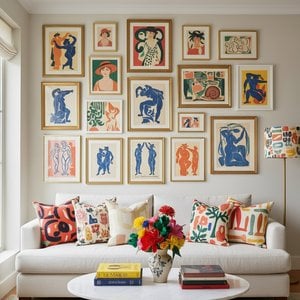
探索亨利·马蒂斯25幅杰作,感受野兽派色彩的魅力!从《舞蹈》到《红色和谐》,揭秘大师背后的故事与艺术灵感。WahooArt.com提供博物馆级高质量油画复制品,为您的家居增添奢华艺术气息。立即在线探索完整系列!

Explore the captivating watercolour paintings of William Henry Hunt (1790-1864). Discover his mastery of naturalistic detail, luminous technique & influence on 19th-century art. Learn about collecting Hunt's work and its enduring value.

Explore the captivating world of watercolor painting! Discover its rich history, essential techniques, influential artists & collecting tips. A comprehensive guide for art enthusiasts from WahooArt.

探索水彩艺术的流光溢彩!深入了解其历史渊源、大师技法与现代实践。提供专业的艺术咨询、定制油画服务,助您收藏和鉴赏优秀作品。WahooArt.com – 您的艺术之选。


第一时间获取最新的艺术新闻、独家优惠及装饰灵感。
向我们介绍您的项目需求,我们的艺术专家将为您提供 3 个个性化的艺术品推荐。
由我们的专家为您精选 3 款心仪之作 —— 完全免费!


 效果预览
效果预览
 购买手绘画作
 分享
分享 分享
分享
 详情
详情

 下载
下载
 相似作品
相似作品 X射线
X射线 幻灯片播放
幻灯片播放


 展开详情
展开详情









 玻璃选项仅适用于110厘米以下的尺寸。


