
 Acrylic On CanvasWallArtSpirit Photography
 1875
1875 9.0 x 5.0 cm
 J·保罗·盖蒂博物馆
购买高分辨率增强版数字图像,其品质远超在线预览。
每一份文件都由我们的内部专家使用先进工具与专业的后期润色技术精心打造。我们确保每一张图像都具备卓越的清晰度、精准的色彩还原度以及细腻的细节表现。
最终文件将在 72 小时内通过电子邮件交付,并针对专业、编辑及印刷用途进行了优化。其品质与顶级设计工作室、出版社和画廊所信赖的标准完全一致。
选择 WahooArt.com,您获得的不仅仅是一张图像——您收到的是经过专业级增强、精雕细琢的数字艺术作品,并享有满意保证。以下是您的订单中自动包含的所有内容:

您的高分辨率数字图像文件将在下单后 72 小时内通过电子邮件发送给您 —— 即可立即使用。

您的艺术品经过专业优化,结合先进的 AI 技术与人工修饰,确保呈现极致的细节、清晰度与色彩准确度。

不小心删除了文件或找不到了?没关系——我们将随时为您免费重发。

即刻拥有您的艺术作品,无需支付任何关税、税费或运费——数字下载始终免税。

我们通过专业工具与色彩管理技术,确保您的数字图像尽可能真实地还原原作色彩。

如果您对所购数字图像不满意,我们将在100天内为您进行修改或提供100%的全额退款——无需任何理由。

不满意?在收到数字文件后的100天内,您可以申请全额退款——无需任何理由。

购买 3 张图片可享 10% 折扣 - 购买 5 张可享 15% 折扣 - 购买 10+ 张可享 20% 折扣。非常适合创意项目、画廊和机构使用。
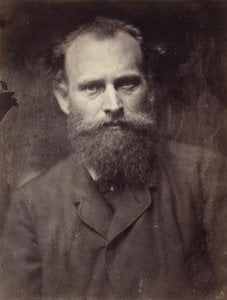
William H. Mumler’s “John J. Glover,” a remarkably intimate black-and-white photograph from 1875, transcends the simple portraiture of its era. It's not merely a depiction of a man seated in a chair; it’s a carefully constructed tableau brimming with Victorian sensibilities and an unsettling suggestion of the supernatural. The image captures a gentleman, formally dressed in a dark suit and tie, his hands clasped together in a gesture of quiet contemplation. His face, rendered with meticulous detail by Mumler's photographic technique, conveys a sense of seriousness – perhaps even melancholy – that draws the viewer into his gaze. Yet, it’s not just the subject’s appearance that commands attention; hovering subtly above him, partially obscured and imbued with an ethereal glow, is the faint apparition of another woman. This ghostly presence, often interpreted as Glover's deceased cousin, immediately elevates the photograph beyond a conventional likeness, plunging it into the realm of spirit photography – a phenomenon that captivated late 19th-century America.
The creation of “John J. Glover” coincided with a period of profound social and spiritual upheaval in the United States. Following the Civil War, many Americans grappled with immense grief and uncertainty about the fate of loved ones lost. Simultaneously, Spiritualism – a movement emphasizing communication with spirits through mediums – was experiencing a surge in popularity. Photography, still a relatively new technology, offered a tantalizing possibility: to capture evidence of the afterlife. William Mumler expertly exploited this confluence of anxieties and beliefs. He wasn’t simply a photographer; he was a master manipulator, employing techniques like double exposures and carefully staged lighting to create images that appeared to depict ghostly encounters. The photograph's success hinged on its ability to tap into the deeply held desire for connection with those who had passed beyond the veil – a desire fueled by both personal loss and the burgeoning fascination with the paranormal.
Despite the sensational claims surrounding spirit photography, William H. Mumler was a highly skilled technical innovator. He didn't rely on magic or trickery alone; he meticulously refined his photographic process to achieve startling results. His “Mumler Process,” involving carefully prepared plates and precise exposure times, allowed him to create images with remarkable clarity and detail – even when incorporating ghostly figures. The subtle gradations of tone, the sharp focus on Glover’s face, and the delicate rendering of the spectral form all demonstrate a sophisticated understanding of photographic principles. The photograph's small size (9 x 5 cm) further contributes to its intimacy and immediacy, inviting viewers to scrutinize every detail and contemplate the mystery at its heart.
“John J. Glover” is rich in symbolic meaning. The seated posture of the subject suggests introspection and perhaps a sense of mourning. His clasped hands could represent prayer, contemplation, or simply a desire for comfort. The ghostly presence above him embodies not just loss but also the enduring power of memory and love. It’s a poignant reminder that even after death, connections remain – albeit in an ethereal form. The photograph's emotional impact is profound; it evokes feelings of melancholy, curiosity, and a lingering sense of wonder about the mysteries beyond our mortal experience. It stands as a testament to Victorian anxieties surrounding mortality, the allure of the supernatural, and the enduring human need for connection.


1832 - 1884 , United States of America


 效果预览
效果预览
 切换至版画销售渠道
 分享
分享 分享
分享
 详情
详情

 下载
下载
 相似作品
相似作品 X射线
X射线 幻灯片播放
幻灯片播放 统计数据
统计数据 展开详情
展开详情



![[julia Jackson] — 朱莉娅·玛格丽特·卡梅伦, Victorian Photography](/media/artworks/images-thumb/38/f1/38f1667da1e9e5ced766b2acd175f4c6.jpg)


