
博物馆级艺术微喷或帆布版画,制作高效,并提供多种饰面选择。 ( 购买手绘画作 切换至数字图像销售渠道)





























从与原作比例一致的预设尺寸中进行选择。

您可以输入自定义尺寸,以适配特定的画框或空间。如果您选择的尺寸与原图比例不符,我们将对作品进行裁剪,或通过镜像填充/纯色填充边缘的方式来扩展图像。在开始制作之前,我们会向您发送一份数字效果图供您确认。
请注意,屏幕上的预览并不能反映实际的裁剪或扩展效果。只有效果图才能准确展示最终的构图。
虽然我们提供定制尺寸,但为了保持原图比例,我们建议您从预设列表中选择尺寸。

Arcade, Tunisia
复制品尺寸
In his 1932 masterpiece, Arcade, Tunisia, William H. Johnson invites the viewer to step through a threshold of light and shadow, entering a world where architecture and humanity exist in a rhythmic, harmonious dance. The painting captures a bustling public arcade, defined by its striking red brick arches that frame the scene with a warm, architectural embrace. These sweeping curves do more than just provide structure; they act as portals, guiding the eye through a layered composition of depth and movement. Within this sheltered space, the artist depicts a lively tableau of daily life, where figures linger near doorways or rest upon benches, creating a sense of shared community. The atmosphere is one of tranquil vitality, capturing that fleeting, golden moment when the heat of the day begins to soften into the gentle hum of social connection.
Johnson’s approach to this work reflects a sophisticated mastery of color and form, blending elements of modernist abstraction with a profound sensitivity to light. The palette is dominated by earthy, sun-drenched tones—terracotta reds, warm ochres, and deep shadows—that evoke the Mediterranean climate and the tactile reality of the Tunisian landscape. His technique utilizes bold, deliberate strokes that lend a sense of weight and permanence to the brickwork, while simultaneously allowing for a fluid, almost musical movement among the people depicted. There is a rhythmic quality to the way the arches repeat across the canvas, mirroring the cadence of a heartbeat or the steady pulse of a city in motion.
To understand Arcade, Tunisia, one must consider the historical moment in which it was conceived. Created during a period when Johnson was refining his unique visual language, this painting serves as a testament to his ability to find universal truths within specific cultural landscapes. While Johnson is celebrated as a pivotal figure of the Harlem Renaissance, his travels and observations allowed him to weave a global tapestry into his work. In this piece, we see the precursor to his later, more iconic folk-modernist style—a way of stripping away unnecessary detail to reveal the essential spirit of a place. The arcade becomes a symbol of the crossroads, a space where the private lives of individuals intersect with the public grandeur of history and architecture.
For the discerning collector or interior designer, this painting offers much more than mere decoration; it provides an emotional anchor for a room. The warmth of the red brickwork and the inviting nature of the composition make it an ideal centerpiece for spaces that aim to evoke comfort, sophistication, and worldly curiosity. Whether placed in a sunlit gallery or a contemporary living space, the artwork radiates a sense of timelessness. It is a piece that rewards prolonged contemplation, offering new layers of light and shadow with every glance, and serving as a constant reminder of the beauty found in the quiet, bustling moments of our shared human experience.

1901 - 1970 , 美国
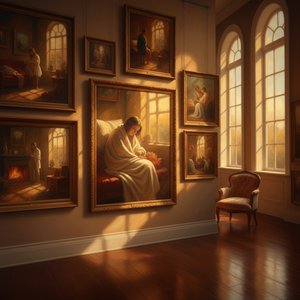
Explore the power of warm colors in art history! Discover how masters used reds, oranges & yellows to evoke emotion. Expert insights on Baroque drama, interior design & finding your perfect palette. WahooArt offers handmade reproductions.
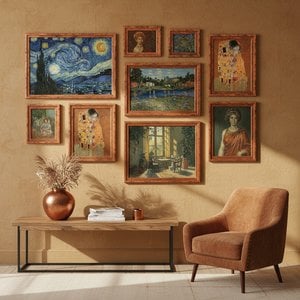
Explore 10 iconic paintings bathed in rich copper tones! From Rembrandt to Klimt, discover the stories behind these masterpieces & their warm color palettes. Find museum-quality art reproductions for your home at WahooArt.com.
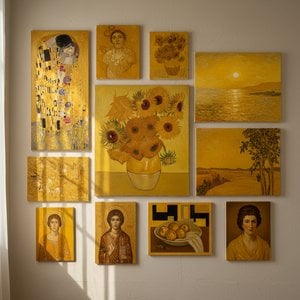
Explore 10 iconic paintings bathed in golden yellow ochre! From Van Gogh's sunflowers to Monet’s haystacks, discover the stories behind these masterpieces. Find museum-quality art reproductions & elevate your home decor on .

Explore the rich symbolism of the red dress in art history! From ancient power displays to iconic portraits like Cézanne’s 'Madame Cezanne', discover the cultural and artistic significance behind this captivating color. Expert analysis & insights.
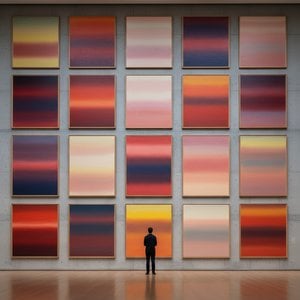
探索马克·罗斯科25幅杰作,感受抽象表现主义的色彩力量与深刻情感。从经典色域绘画到无题系列,了解艺术史上的大师及其作品背后的故事。WahooArt.com提供博物馆级高质量复制品,为您的家居装饰带来艺术灵感!立即探索完整收藏。


 效果预览
效果预览
 分享
分享 分享
分享
 详情
详情 指南
指南

 下载
下载
 相似作品
相似作品 X射线
X射线 幻灯片播放
幻灯片播放 统计数据
统计数据


 展开详情
展开详情









 玻璃选项仅适用于110厘米以下的尺寸。


