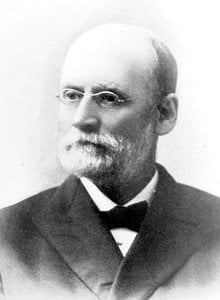
1891
1891 30.0 x 61.0 cm
购买高分辨率增强版数字图像,其品质远超在线预览。
每一份文件都由我们的内部专家使用先进工具与专业的后期润色技术精心打造。我们确保每一张图像都具备卓越的清晰度、精准的色彩还原度以及细腻的细节表现。
最终文件将在 72 小时内通过电子邮件交付,并针对专业、编辑及印刷用途进行了优化。其品质与顶级设计工作室、出版社和画廊所信赖的标准完全一致。
选择 WahooArt.com,您获得的不仅仅是一张图像——您收到的是经过专业级增强、精雕细琢的数字艺术作品,并享有满意保证。以下是您的订单中自动包含的所有内容:

您的高分辨率数字图像文件将在下单后 72 小时内通过电子邮件发送给您 —— 即可立即使用。

您的艺术品经过专业优化,结合先进的 AI 技术与人工修饰,确保呈现极致的细节、清晰度与色彩准确度。

不小心删除了文件或找不到了?没关系——我们将随时为您免费重发。

即刻拥有您的艺术作品,无需支付任何关税、税费或运费——数字下载始终免税。

我们通过专业工具与色彩管理技术,确保您的数字图像尽可能真实地还原原作色彩。

如果您对所购数字图像不满意,我们将在100天内为您进行修改或提供100%的全额退款——无需任何理由。

不满意?在收到数字文件后的100天内,您可以申请全额退款——无需任何理由。

购买 3 张图片可享 10% 折扣 - 购买 5 张可享 15% 折扣 - 购买 10+ 张可享 20% 折扣。非常适合创意项目、画廊和机构使用。

In the tapestry of British art, few threads are as intricately woven as those belonging to John Northcote Nash (1869 – 1946). A painter whose career bridged the delicate sensibilities of the late Victorian era and the profound shifts of the mid-2ical century, Nash emerged as a figure of remarkable duality. He was simultaneously a meticulous observer of the natural world—a pioneer of botanical illustration—and a visionary artist capable of capturing the sweeping, often turbulent spirit of his age. Born in Preston, Lancashire, his artistic soul was nurtured from infancy by the influence of his father, William Salter, a celebrated botanical artist. This early immersion in the precision of scientific observation instilled in Nash a lifelong dedication to detail, ensuring that even his most emotive landscapes remained anchored in an authentic, tactile reality.
Nash’s formal education at the Slade School of Fine Art in London served as a transformative crucible. It was here that he encountered the burgeoning stylistic innovations of Impressionism and Neo-Romanticism, movements that sought to balance the accuracy of representation with the raw power of emotional expression. This synthesis became the hallmark of his mature style. He learned to move beyond the mere documentation of flora to explore how light, texture, and atmosphere could evoke a sense of the sublime. His work began to reflect a deeper philosophical inquiry, seeking not just to show what the eye sees, but to convey how the heart feels when confronted with the grandeur of the natural landscape.
The zenith of Nash’s landscape career is perhaps most brilliantly realized in his celebrated series depicting the Haystacks of the Yorkshire Dales National Park. These towering limestone formations became more than mere subjects; they became vessels for his exploration of tonal harmony and subtle textural variation. In these canvases, one can witness a masterful command of light that breathes life into the stone, capturing a sense of profound serenity and ancient permanence. Through these works, Nash aligned himself with the Romantic tradition, utilizing the landscape as a medium for spiritual contemplation and an exploration of the human connection to the earth.
Beyond the quietude of the countryside, Nash’s artistic reach was remarkably expansive. His ability to translate psychological depth onto canvas led him toward the intimate realm of portraiture. He possessed a rare gift for capturing the inner essence of his subjects, producing striking portraits of prominent historical figures, most notably Winston Churchill. These works are characterized by an expressive brushwork and a keen psychological insight that transcends simple likeness, offering instead a window into the character and gravity of the sitter. This versatility—moving from the microscopic detail of a botanical specimen to the monumental presence of a world leader—demonstrates the extraordinary breadth of his creative intellect.
The historical significance of John Northcote Nash lies in his ability to navigate the tension between tradition and modernity. As a prominent member of the Royal Birmingham Society of Artists (RBSA), he stood at the intersection of scientific precision and artistic innovation. His life’s work serves as a vital record of a changing Britain, capturing both the enduring beauty of the English landscape and the shifting social consciousness of the early 20th century. His legacy is not merely found in the technical excellence of his paintings, but in his profound ability to use art as a bridge between the observable world and the intangible realms of emotion and spirit.


 效果预览
效果预览
 切换至版画销售渠道
 分享
分享 分享
分享
 详情
详情 指南
指南

 下载
下载
 相似作品
相似作品 X射线
X射线 幻灯片播放
幻灯片播放 统计数据
统计数据 展开详情
展开详情