


 Oil On CanvasWallArtRomanticism
 1680Early Modern
 77.0 x 64.0 cm
 国家博物馆 (Rijksmuseum)




























从与原作比例一致的预设尺寸中进行选择。

您可以输入自定义尺寸,以适配特定的画框或空间。如果您选择的尺寸与原图比例不符,我们将对作品进行裁剪,或通过镜像填充/纯色填充边缘的方式来扩展图像。在开始制作之前,我们会向您发送一份数字效果图供您确认。
请注意,屏幕上的预览并不能反映实际的裁剪或扩展效果。只有效果图才能准确展示最终的构图。
虽然我们提供定制尺寸,但为了保持原图比例,我们建议您从预设列表中选择尺寸。

The Gust
复制品尺寸
In the annals of the Dutch Golden Age, few images capture the raw, unbridled fury of the ocean as poignantly as Willem van de Velde the Elder’s “The Gust.” Completed in 1680, this monumental canvas serves as more than a mere maritime record; it is a visceral encounter with the sublime. The viewer is not simply observing a naval engagement from a safe distance but is instead thrust into the heart of a harrowing storm where the boundaries between sea and sky dissolve into a chaotic dance of salt and wind. Through his masterful command of light and motion, Van de Velde captures a moment of profound tension, as a solitary vessel struggles against the overwhelming weight of cresting waves and the unpredictable whims of nature.
The technical brilliance of this piece lies in its revolutionary approach to texture and detail. While many of his contemporaries relied solely on traditional oil layering, Van de Velde utilized his pioneering pen painting technique to achieve an unparalleled level of precision. This method allowed him to render the intricate rigging, the sturdy architecture of the ship's hull, and the complex maneuvers of naval combat with scientific accuracy. Yet, this meticulousness is balanced by a breathtaking use of thick impasto brushstrokes. These heavy applications of paint create a palpable, three-dimensional surface, particularly where the white foam of the breaking waves meets the dark, churning depths. This interplay between fine line work and rugged texture lends the painting a rhythmic energy that mirrors the very heartbeat of a storm.
Beyond its technical prowess, “The Gust” resonates with the emotional depth characteristic of the Romantic spirit. The composition is intentionally unstable, dominated by diagonal lines that suggest a world in flux. The ship, positioned precariously off-center, becomes a powerful symbol of human resilience in the face of inevitable vulnerability. It represents the courage of the seafaring spirit—the audacity to venture into the unknown despite the looming threat of destruction. This duality of strength and fragility provides a profound psychological layer that continues to captivate collectors and historians alike.
For the discerning interior designer or art enthusiast, this artwork offers a commanding presence. The dramatic lighting, characterized by sharp contrasts between deep shadows and brilliant highlights, creates an atmosphere of foreboding and grandeur that can anchor a room with its intense narrative power. Whether displayed in a sophisticated study or as a focal point in a contemporary gallery space, “The Gust” invites contemplation on the eternal struggle between man and the elements. It is a masterpiece of movement and emotion, a timeless testament to the enduring majesty of the sea.


1611 - 1693 , 荷兰

Discover the captivating maritime paintings of Willem van de Velde the Elder, a master chronicler of the Dutch Golden Age. Explore his unparalleled realism and lasting influence on naval art history.
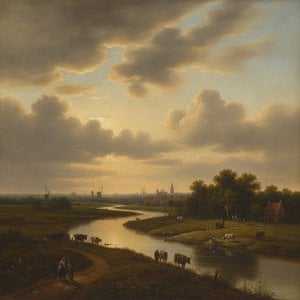
Discover the breathtaking beauty of Dutch Golden Age landscapes. Explore the mastery of light, chiaroscuro, and 17th-century realism through an expert art history lens, celebrating the enduring legacy of the Dutch Masters for discerning collectors and art lovers.

探索荷兰黄金时代的艺术巅峰! 伦勃朗、维米尔等大师名作,带您领略巴洛克艺术的辉煌。高清画作、博物馆级品质,点亮您的家居空间。WahooArt.com 提供精选艺术复制品和定制装饰方案。立即在线探索全系列!

探索伦勃朗25幅杰作,领略荷兰黄金时代光影大师的艺术传奇!从《夜巡》到自画像,深入了解巴洛克艺术、历史绘画与人物肖像背后的故事。WahooArt.com提供高清艺术复制品及家居装饰灵感。立即探索完整系列!

Embark on a cultural journey through the Dutch Golden Age. Explore the masterful interplay of light and shadow in 17th-century masterpieces, from Rembrandt to Vermeer, and discover how this era of profound realism continues to inspire fine art collectors today.


 效果预览
效果预览
 购买手绘画作
 分享
分享 分享
分享
 详情
详情

 下载
下载
 相似作品
相似作品 X射线
X射线 幻灯片播放
幻灯片播放 展开详情
展开详情









 玻璃选项仅适用于110厘米以下的尺寸。


