效果预览 AR 预览 购买手绘画作 切换至数字图像销售渠道 分享
详情 指南 加入收藏 下载 相似作品 X射线 幻灯片播放 统计数据

Still Life

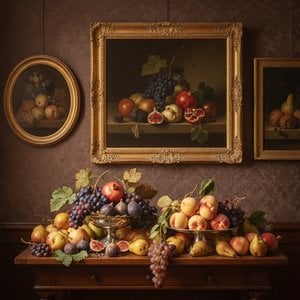
Delicate Dutch Baroque artistry shines through Willem Heda’s ‘Still Life,’ capturing a serene tableau of tableware and fruit bathed in luminous light—a masterful exploration of quiet contemplation from Haarlem's Golden Age. Discover this captivating masterpiece at Wawel Royal Castle.

维勒姆·克拉斯茨·赫达(1594-约1680年)是荷兰黄金时代静物画大师,以其创新的“早餐场景”和对玻璃、金属及食物的写实描绘而闻名。他是色调现实主义的先驱。

艺术微喷/版画

博物馆级艺术微喷或帆布版画,制作高效,并提供多种饰面选择。 ( 购买手绘画作 切换至数字图像销售渠道)

P118B $10
P118H $10
P118W $10
P438Z $10
P508JH $12
P508YH $12
P805H $10
P805Z $10
P919BZ $10
P919G $10
P919XJ $10
P959ZH $10
P968JZ $12
W106C $8
W218G $10
W218JH $8
W218Y $10
W307PJ $10
W316G $10
W316PJ $8
W316Y $10
W398PJ $8
W4111J $10
W500HY $15
W500JH $15
W692G $12
W849H $8
W940BG $15
W953PJ $8

标准尺寸
定制
CM
INCH

从与原作比例一致的预设尺寸中进行选择。

宽度
高度

您可以输入自定义尺寸,以适配特定的画框或空间。如果您选择的尺寸与原图比例不符,我们将对作品进行裁剪,或通过镜像填充/纯色填充边缘的方式来扩展图像。在开始制作之前,我们会向您发送一份数字效果图供您确认。
请注意,屏幕上的预览并不能反映实际的裁剪或扩展效果。只有效果图才能准确展示最终的构图。
虽然我们提供定制尺寸,但为了保持原图比例,我们建议您从预设列表中选择尺寸。

全球配送(),仅需 2 周即可送达,无需等待标准流程的 4/5 周。(23 September)

why_choose_icon
全球免费特快专递服务
why_choose_icon
优质亚麻画布
why_choose_icon
全程运输保险
why_choose_icon
关税退款保证
why_choose_icon
色彩还原度保证
why_choose_icon
100天退货政策(仅限瑕疵品)
why_choose_icon
100%退款保证
why_choose_icon
多件购买优惠

总计金额

$ 68

reproduction

Still Life

艺术微喷/版画

复制品尺寸

-

最终总价

$ 68

作品概览

  • Artistic style: Monochrome banquetjes
  • Movement: Dutch Baroque
  • Dimensions: 62 x 84 cm
  • Artist: Willem Claesz Heda
  • Medium: Oil on canvas
  • Title: Still Life
  • Influences: Pieter Claesz

A Still Life of Quiet Contemplation: Willem Claesz Heda’s Wawel Masterpiece

The painting “Still Life” by Willem Claesz Heda, completed in 1637, transcends mere representation; it embodies the spirit of its time—a moment captured with breathtaking precision and imbued with a subtle contemplation on mortality. Located at Wawel Royal Castle in Krakow, Poland, this artwork stands as one of nine signed Still lifes produced by Heda that year, cementing his reputation as a master of the monochrome banquet genre and elevating him to the ranks of Dutch artistic luminaries alongside Pieter Claesz.
  • Subject Matter: The composition centers around an austere table draped in dark green cloth, upon which rests a carefully arranged assortment of objects—primarily foodstuffs and tableware. Notably prominent is a brass ewer, affectionately nicknamed “Jan Steen’s Ewer,” alongside a silver mug, reflecting the artist's penchant for incorporating familiar motifs into his work.
  • Style & Technique: Heda’s signature style is characterized by its remarkable restraint and meticulous observation. He eschewed grand gestures or dramatic narratives, opting instead for an almost unnerving stillness that invites viewers to linger on the subtle nuances of light and texture. The artist employed a masterful technique—oil paint on canvas—allowing him to achieve unparalleled realism in capturing the surfaces of his subjects. Light plays a crucial role, illuminating each item with diffused brilliance, creating an illusionistic depth that draws the eye inward.

Historical Context: The Dawn of Baroque Still Life

The 1630s marked a pivotal period in Dutch art history—the burgeoning influence of Baroque aesthetics began to reshape artistic sensibilities. While Heda’s work predates the full flowering of Baroque grandeur, it nonetheless anticipates its stylistic concerns. Like Claesz and other contemporaries, Heda wrestled with ideas surrounding *vanitas*, Latin for “nothingness,” a concept deeply rooted in Renaissance humanism but gaining increasing resonance during this era. The objects depicted—the fruit, the pewter dish containing mustard, the goblet—serve as potent symbols of earthly pleasures destined to decay, prompting reflection on the brevity of life and the inevitability of death.
  • Symbolism: Beyond its visual beauty, “Still Life” is laden with symbolic significance. The dark green cloth represents mourning, while the curled tablecloth underscores the passage of time. Each item—the ewer, the mug, the goblet—is meticulously rendered to convey not only their physical appearance but also their association with rituals of consumption and remembrance.
  • Emotional Impact: Heda’s paintings don't provoke emotional upheaval; rather, they elicit a quiet sense of melancholy and awareness. The stillness of the scene encourages contemplation on themes of mortality and impermanence—a hallmark of Baroque art’s preoccupation with existential questions.

A Legacy of Precision: Heda’s Influence on Artistic Tradition

Willem Claesz Heda's dedication to capturing the essence of everyday objects elevated him to the status of artistic icon. His meticulous approach—often repeating motifs and experimenting with subtle variations—established a precedent for future generations of painters striving for realism and illusionism. “Still Life” remains an enduring testament to his genius, demonstrating that profound beauty can be found in simplicity and inviting viewers to engage in a dialogue about the human condition. Its placement at Wawel Royal Castle ensures its continued appreciation as a masterpiece of Dutch Baroque art.

艺术家简介

宁静瞬间的大师:维勒姆·克拉斯·赫达的一生与艺术

维勒姆·克拉斯·赫达(Willem Claeszzoon Heda)于1594年出生在荷兰哈勒姆,他是荷兰黄金时代一位举足轻重的艺术家——他的伟大之处并非源于宏大的历史叙事或戏剧性的寓言,而是发掘了日常生活中那份深邃的美感。他将几乎全部的艺术生涯奉献给了静物画,在这个看似局限的题材中,赫达却达到了非凡的创新高度,尤其体现在后来被称为“早餐场景”的作品上。他的作品并非炫耀奢华;而更像是一场关于无常、财富以及光影质地之间微妙互动的沉思。他出身于一个与哈勒姆艺术圈相关的家庭——他的父亲是一名城市建筑师,叔父科内利斯·克拉斯·赫达(Cornelis Claesz Heda)也是一位画家——年轻的维勒姆投身艺术的道路似乎是天性使然,尽管他早期的训练细节仍扑朔迷离。目前没有幸存的作品能明确断定其创作于其成长期,但学者们估计他大约在1615年开始绘画。

早餐场景与色调写实的曙光

赫达最早的已知画作,包括一幅《虚空》静物画,就已经预示了他职业生涯中将展现出的非凡技艺。这些早期作品展现了对细节的一丝不苟和单色的调性——这与早期荷兰静物画更为鲜艳的构图形成了鲜明对比。然而,真正使赫达开始塑造其独特艺术风格的,是20年代的早餐场景系列。与前人作品中常常出现的、物体堆砌得略显杂乱的布置不同,赫达的作品以一种引人注目的平衡感和空间效果为特征。他描绘的并非仅仅是物体;而是以如此逼真的手法去呈现它们——银质餐具的光泽、柠檬皮精致的弧度、玻璃杯中微妙的反光——仿佛这些物品拥有了独立于画布的存在感。这种对真实感的执着,不仅仅是技术上的精湛;它更是融入了他作品中的哲学底蕴。那些被选择的物体——半剥的柠檬、面包屑、倾覆的酒杯——无声地暗示着世俗享乐的短暂以及衰败的必然性。

认可与行会成员身份

赫达的天赋在繁荣的哈勒姆艺术氛围中并未被忽视。他获得了来自塞缪尔·安普辛(Samuel Ampzing)等杰出人物的早期认可,后者是一位用诗歌赞颂这座城市的荷兰部长兼诗人。在他1628年的《论荷属哈勒姆城之描绘与赞美》中,安普辛盛情赞扬了赫达,并将其与萨洛蒙·德·布雷(Salomon de Bray)和彼得·克拉斯(Pieter Claesz)并列,肯定了他们在宴会场景方面的卓越技艺。这一公开的认可无疑提升了赫达的名声,并促成了他于1631年被接纳到哈勒姆圣卢克行会。他在行会内的积极参与——例如签署了一份新的章程来规范其事务——突显了他作为社区内受人尊敬艺术家的稳固地位。

微妙与影响的遗产

在其整个职业生涯中,赫达大多专注于静物画,不断完善自己的技巧,并探索着早餐场景主题的各种变体。他巧妙地运用光影来营造一种宁静沉思的氛围,引导观者与日常物品进行亲密的对话。尽管他偶尔也会超越早餐场景——描绘更华丽的宴会布置或《虚空》构图——但他最持久的遗产在于他将平凡提升到了艺术的高度。他对后世一代静物画家的影响是深远的。像彼得·德·林(Pieter de Ring)和扬·戴维兹·德·霍姆(Jan Davidsz. de Heem)这样的艺术家,尽管发展了各自独特的风格,却清晰地展现了赫达色调写实主义和构图平衡的影响力。维勒姆·克拉斯·赫达描绘的绝不仅仅是他所看到的;他捕捉到的是一种感觉——一种宁静、脆弱,以及时间流逝中固有的那份温柔之美。他的作品至今仍能引起共鸣,为观者提供了一窥荷兰黄金时代生活核心的窗口,并对存在的本质本身献上了一曲永恒的沉思。
维勒姆·克拉斯茨·赫达

维勒姆·克拉斯茨·赫达

1594 - 1680 , 荷兰

艺术家简介

  • Artistic Movement Or Style: 黄金时代绘画
  • Artists Or Movements Influenced By This Artist: ['萨洛蒙·德·布雷']
  • Artists Who Influenced This Artist:
    • 格雷特·威廉斯兹·赫达
    • 扬·德·布雷
  • Date Of Birth: 1594年12月14日
  • Date Of Death: 约1680年
  • Full Name: 维勒姆·克拉斯茨·赫达
  • Nationality: 荷兰
  • Notable Artworks:
    • 带龙虾的静物
    • 带银杯的静物
    • 带碎玻璃的静物
  • Place Of Birth: 荷兰,哈勒姆