
免费艺术咨询

x
定制手绘复刻品 定制手绘复刻品购买高清图片 购买高清图片 分享分享
详情详情 加入收藏 加入收藏 下载下载 相似作品相似作品 X射线检测X射线检测 幻灯片播放幻灯片播放

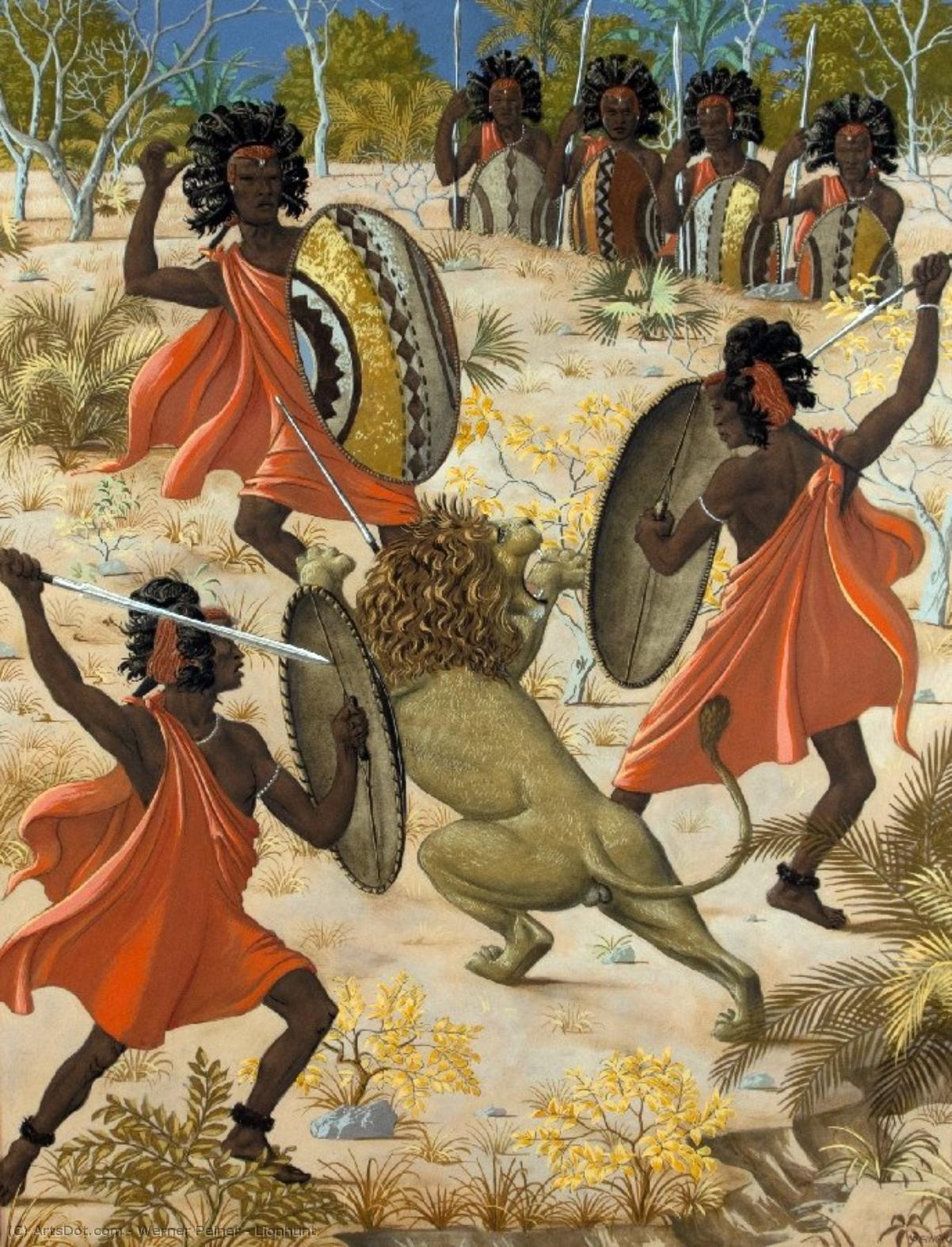
Lionhunt

Werner Peiner (1897-1984) was a German painter transitioning from Realism & New Objectivity to become a prominent official artist of the Third Reich. Explore his landscapes, portraits, and controversial role in Nazi art history.

艺术微喷/版画

博物馆级艺术微喷或帆布版画,制作高效,并提供多种饰面选择。

Standard
custom
CM
INCH

从与原作比例一致的预设尺寸中进行选择。

宽度
高度

您可以输入自定义尺寸,以适配特定的画框或空间。如果您选择的尺寸与原图比例不符,我们将对作品进行裁剪,或通过镜像填充/纯色填充边缘的方式来扩展图像。在开始制作之前,我们会向您发送一份数字效果图供您确认。
请注意,屏幕上的预览并不能反映实际的裁剪或扩展效果。只有效果图才能准确展示最终的构图。
虽然我们提供定制尺寸,但为了保持原图比例,我们建议您从预设列表中选择尺寸。

全球配送(),仅需 2 周即可送达,无需等待标准流程的 4/5 周。(5 July)

why_choose_icon
全球免费特快专递服务
why_choose_icon
优质亚麻画布
why_choose_icon
全程运输保险
why_choose_icon
关税退款保证
why_choose_icon
色彩还原度保证
why_choose_icon
60天退货政策(仅限制造缺陷)
why_choose_icon
100%退款保证
why_choose_icon
多件购买优惠

总计金额

-

reproduction

Lionhunt

艺术微喷/版画

复制品尺寸

-

最终总价

-

相似艺术品


艺术家简介

Werner Peiner: A Painter Caught Between Realism and Nazi Ideology

Werner Peiner (20 July 1897 – 19 August 1984) was a German painter whose artistic journey spanned from the expressive currents of early Expressionism to the increasingly formalized aesthetic dictated by the Third Reich, ultimately cementing his position as one of its most prominent official artists. Born in Düsseldorf, Peiner’s formative years were steeped in the intellectual ferment of Weimar Germany, where he absorbed influences from figures like Wilhelm Döringer and embraced a style characterized by nuanced observation and emotional depth—a departure from purely representational art that would foreshadow his later allegiance to Nazi ideology.
  • Early Influences & Artistic Formation:
  • The Expressionist Spirit: Peiner’s initial artistic explorations found resonance in the expressive fervor of Expressionism, particularly evident in landscapes imbued with melancholic beauty and portraits capturing psychological complexity. His early works demonstrated a sensitivity to tonal modulation and textural variation—techniques honed during his studies at Düsseldorf Art Academy under Döringer.
  • New Objectivity & The Bauhaus Connection:
  • As the decade progressed, Peiner’s artistic sensibilities shifted toward New Objectivity, mirroring the broader intellectual currents of the time. This movement championed a detached yet precise depiction of reality, prioritizing clarity and geometric forms—a stylistic choice that reflected Peiner's engagement with the principles espoused by Bauhaus.

The Rise of Official Art & Patronage Under Göring

Peiner’s career took a decisive turn in 1933 with his appointment as professor at Düsseldorf Art Academy, coinciding with Hitler's ascent to power. This position afforded him access to influential figures like Hermann Göring, who recognized Peiner’s talent and championed his artistic vision. Göring actively supported Peiner’s endeavors, notably commissioning monumental tapestries for the New Reich Chancellery—a project that served as a powerful visual embodiment of Nazi propaganda's narrative of Germanic grandeur and spiritual renewal. The patronage extended beyond mere financial backing; it represented an endorsement of Peiner’s artistic sensibilities within the framework of the regime’s ideological ambitions.
  • Kronenburg Master Classes & Artistic Experimentation:
  • Peiner established Kronenburg Master School for Painting in 1936, attracting a cohort of aspiring artists who embraced his distinctive approach to landscape painting and portraiture. The school’s ethos—characterized by meticulous observation and stylistic innovation—reflected Peiner's commitment to upholding artistic standards while simultaneously aligning with the aesthetic imperatives of Nazi Germany.
  • The Gottbegnadeten List & Artistic Recognition:
  • In 1944, Peiner was included on Hitler’s “Gottbegnadeten Liste”—the list of twelve most important visual artists deemed worthy of protection by the Führer—a testament to his artistic reputation and Göring's unwavering support. This inclusion underscored the regime’s conviction that Peiner’s work represented the pinnacle of German artistic achievement.

Legacy & Controversial Significance

Despite facing censure for accepting Nazi patronage, Werner Peiner remains a significant figure in German art history. His landscapes—particularly “Early Morning in the Eifel Mountains”—capture the serene beauty of the Rhineland region with remarkable precision and tonal subtlety. However, his role as an official artist raises complex questions about artistic integrity and complicity within a totalitarian context. Peiner’s oeuvre serves as a poignant reminder of how art can be shaped by political forces—a legacy that continues to provoke scholarly debate and artistic contemplation.
Werner Peiner

Werner Peiner

1897 - 1984 , Germany

艺术家简介

  • Artistic Movement Or Style: New Objectivity & Realism
  • Artists Or Movements Influenced By This Artist: ['Expressionism']
  • Artists Who Influenced This Artist: ['W. Döringer']
  • Date Of Birth: July 20, 1897
  • Date Of Death: August 19, 1984
  • Full Name: Werner Peiner
  • Nationality: German
  • Notable Artworks:
    • Early Morning in the Eifel Mountains
    • Der Thronhimmel
  • Place Of Birth: Düsseldorf, Germany





































