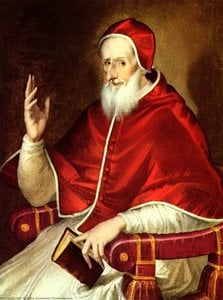
A Brush with Bohemia: The Life and Art of Wenceslas Brozik
Wenceslas Vacslav Brozik, a name perhaps unfamiliar to many outside the circles of dedicated art enthusiasts, represents a compelling thread in the tapestry of 19th-century Bohemian painting. Emerging from a landscape steeped in tradition yet yearning for modern expression, Brozik carved a niche for himself with his deeply empathetic portrayals of rural life, particularly his captivating depictions of cattle and the people who tended them. While biographical details remain somewhat elusive – a common fate for artists whose fame hasn’t reached global proportions – the power of his work speaks volumes about his connection to the Czech countryside and his skill in capturing its essence. Brozik's art isn’t merely representation; it is an intimate conversation with the soul of Bohemia, rendered in oil and canvas. He continues to live and paint today, adding to a legacy built on observation, sensitivity, and a profound respect for the everyday beauty often overlooked.
The Pastoral Vision: Themes and Techniques
Brozik’s oeuvre is dominated by scenes of pastoral life. His paintings are not idealized romanticizations, however; they possess an earthy realism that grounds them in tangible experience. Cattle form the central subject of many works – robust creatures rendered with a meticulous attention to anatomy and texture. He doesn't simply paint *what* he sees but *how* it feels to be amongst these animals, conveying their weight, warmth, and quiet dignity. Beyond the livestock, Brozik’s canvases often include portraits of rural inhabitants: farmers, laborers, and families engaged in the rhythms of agricultural life. These are not grand historical figures or aristocratic patrons; they are ordinary people, depicted with a gentle humanity that elevates them to subjects worthy of artistic attention.
His technique is characterized by a rich, warm palette, employing earthy tones – ochres, browns, and greens – that evoke the colors of the Bohemian landscape. Brozik’s brushwork is loose yet controlled, creating a sense of movement and atmosphere. He masterfully uses light and shadow to sculpt forms and imbue his scenes with depth and emotional resonance.
There's a subtle impressionistic quality to his work, hinting at an awareness of contemporary trends but never fully abandoning the foundations of realistic representation.
Influences and Artistic Development
Pinpointing specific artistic influences on Brozik is challenging due to limited documentation, yet it’s reasonable to assume exposure to the broader currents of 19th-century European painting shaped his development. The Barbizon school, with its focus on realistic landscape painting and rural life, likely played a role. Artists like Jean-François Millet, known for their sympathetic portrayals of peasant life, could have served as inspiration.
Within Bohemia itself, the tradition of genre painting – depicting scenes from everyday life – was well established, providing a local context for Brozik’s artistic pursuits.
His early works likely adhered more closely to traditional academic styles, but over time he developed a distinctive voice characterized by his unique approach to color and texture.
The evolution of his style reflects a growing confidence in his own vision, moving away from strict imitation towards a more expressive and personal interpretation of the world around him. He wasn’t interested in grand narratives or historical spectacle; his focus remained steadfastly on the quiet beauty of the Bohemian countryside and the lives of its people.
Legacy and Historical Significance
While Brozik may not be a household name, his work holds significant value as a document of 19th-century Bohemian life. His paintings offer a glimpse into a world that was rapidly changing – a world where traditional agricultural practices were giving way to industrialization and modernization.
He captured a moment in time, preserving the dignity and beauty of rural existence for future generations.
- His art provides valuable insight into the social and economic conditions of Bohemia during this period.
- Brozik’s sympathetic portrayals of ordinary people challenged conventional artistic hierarchies, elevating everyday life to a subject worthy of serious attention.
- His unique style – characterized by its earthy realism and emotional resonance – continues to resonate with contemporary audiences.
Today, Wenceslas Brozik’s paintings are increasingly sought after by collectors and art enthusiasts who appreciate his skill, sensitivity, and dedication to capturing the essence of Bohemia. His work serves as a reminder that beauty can be found in the most unexpected places – in the quiet dignity of a rural landscape, in the gentle humanity of ordinary people, and in the enduring power of artistic observation. He remains an active artist, continuing to contribute to his legacy through new works inspired by the land he loves.

 购买手绘画作


 效果预览
效果预览
 分享
分享 分享
分享
 详情
详情 指南
指南

 下载
下载
 相似作品
相似作品 X射线
X射线 幻灯片播放
幻灯片播放 统计数据
统计数据
 展开详情
展开详情






































 玻璃选项仅适用于110厘米以下的尺寸。