
博物馆级艺术微喷或帆布版画,制作高效,并提供多种饰面选择。 ( 订购此收藏品的纯手工复刻画作 切换至数字图像销售渠道)





























您可以从与原作比例一致的预设尺寸中进行选择。

您可以输入自定义尺寸,以适配特定的画框或空间。如果您选择的尺寸与原图比例不符,我们将对作品进行裁剪,或通过镜像填充/纯色填充边缘的方式来扩展图像。在开始制作之前,我们会向您发送一份数字效果图供您确认。
请注意,屏幕上的预览并不能反映实际的裁剪或扩展效果。只有效果图才能准确展示最终的构图。
虽然我们提供定制尺寸,但为了保持原图比例,我们建议您从预设列表中选择尺寸。
So called
复刻品尺寸说明
Within the walls of the Museum of Applied Arts in Budapest resides a fragment of Victorian eccentricity – a section of wallpaper, dubbed “So Called,” that offers a captivating glimpse into the world of Walter Crane and the burgeoning aesthetic sensibilities of late 19th-century Europe. More than just decorative surface, this vibrant panel is a testament to Crane’s mastery of color, pattern, and his deep engagement with the Arts and Crafts movement, a reaction against the perceived soullessness of industrialization and a fervent return to handcrafted beauty.
Crane, born in Liverpool in 1845, was a pivotal figure bridging the gap between traditional illustration and modern design. His early apprenticeship with William James Linton instilled within him a profound respect for wood-engraving – a painstaking process demanding meticulous observation and an understanding of line and texture. This foundation proved crucial as he evolved into a celebrated artist, producing not only intricate children’s books but also ambitious wallpaper designs that sought to infuse the domestic sphere with artistic merit. The “Peacock Garden” is a prime example of this ambition, showcasing Crane's ability to translate complex ideas – in this case, the revival of decorative arts – into a visually arresting and emotionally resonant surface.
The wallpaper’s design immediately commands attention. Bold peacock feathers dominate the composition, their iridescent blues, greens, and hints of gold cascading across a background of swirling floral motifs and geometric patterns. Crane's use of color is particularly noteworthy; it’s not merely decorative but imbued with a sense of movement and vitality. The layering of hues creates an illusion of depth, drawing the eye into the intricate details of each feather and blossom. The border itself, meticulously rendered in a contrasting palette, further enhances the overall impact, establishing a clear visual hierarchy that guides the viewer’s gaze.
Technically, Crane employed a sophisticated approach to pattern creation. The individual elements – the feathers, flowers, and geometric shapes – are not simply repeated identically; instead, they are subtly varied in scale, orientation, and color, generating a dynamic and engaging visual experience. This careful attention to detail speaks to Crane’s artistic rigor and his desire to elevate wallpaper from a mere functional element to a work of art.
The story behind the “Peacock Garden” is as compelling as the design itself. It’s believed that Jenő Radisics, the Museum of Applied Arts’ director at the time, acquired the wallpaper in or around 1898, reflecting his admiration for Walter Crane and the English Arts & Crafts movement. Radisics's conviction that this movement represented a model for Hungarian applied arts is evident not only in his acquisition of the wallpaper but also in the museum’s subsequent exhibitions featuring Crane’s work. The small, windowless room where the wallpaper was originally installed – a director’s residence – further underscores its significance as a symbol of artistic patronage and cultural exchange.
The wallpaper's survival is a remarkable testament to the Museum’s dedication to preserving its collection. It offers a tangible link to a pivotal moment in Hungarian art history, demonstrating how European artistic trends were embraced and adapted within the local context. It also provides a fascinating insight into the personal tastes of a prominent cultural figure – Jenő Radisics – and his commitment to fostering a vibrant and innovative artistic environment.
Beyond its aesthetic qualities, the “Peacock Garden” is rich in symbolism. The peacock itself has long been associated with beauty, pride, and immortality—a fitting emblem for a decorative surface designed to adorn a space of importance. The swirling floral motifs evoke notions of abundance, fertility, and the cyclical nature of life. The overall composition suggests a harmonious blend of natural and artificial elements, reflecting the Arts & Crafts movement’s desire to reconcile industrial production with handcrafted artistry.
Ultimately, “So Called” is more than just a wallpaper; it's an evocative work of art that captures the spirit of its time. It invites us to step into a world of vibrant color, intricate detail, and artistic aspiration—a window into the dreams of Walter Crane and the cultural landscape of Budapest at the turn of the 20th century.
华特·克雷恩 的《So called》 的主导色调为 Ochre to Sepia。该色调构成了整个色板的基调。
"So called" 展示了 wallpaper, peacock, crane, budapest, victorian, decorative, art nouveau,其传达的情绪为 Calm。
建议将“So called”打印为 Medium 尺寸。其他尺寸亦可按相同比例进行制作。
华特·克雷恩 的《So called》创作于1900年。
华特·克雷恩 在 1900 年创作《So called》时,年龄为 55 岁。该年龄是根据艺术家的出生年份 1845 计算得出的。
关于 华特·克雷恩 的《So called》,记录了其规格 (Portrait) 与建议摆放空间 (Living Room) 这两项陈列信息。
"So called" 由 华特·克雷恩 创作。本页面的信息旨在介绍 华特·克雷恩 的原作。


1845 - 1915 , 英国
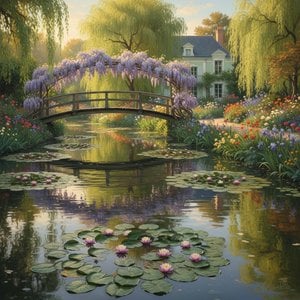
Embark on a visual journey through Claude Monet's Giverny. Discover the enchanting light, vibrant colors, and breathtaking landscapes of his legendary gardens through an expert exploration of Impressionist mastery and timeless beauty.

Explore the exquisite world of Victorian Realism. Discover how 19th-century masters captured unparalleled detail and emotion through oil painting, and learn to curate these timeless masterpieces for your luxury interior collection.
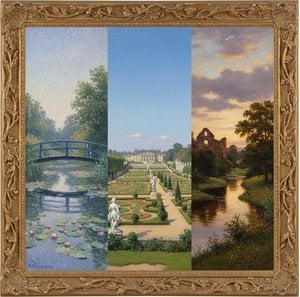
Embark on a visual journey through the serene beauty of gardens and parks in fine art. Discover how master artists capture nature's tranquility through impressionistic blooms and classical landscapes to bring timeless elegance into your home collection.


 实景预览
实景预览
 发送
发送 分享
分享
 详情
详情 指南
指南

 下载图片
下载图片
 相似作品
相似作品 X射线
X射线 幻灯片播放
幻灯片播放 统计数据
统计数据


 阅读全文
阅读全文









 玻璃选项仅适用于110厘米以下的尺寸。


![Title Page [plate 1] — 华特·克雷恩, Victorian Illustration](/media/artworks/images-thumb/70/a8/70a851d7c4bdf723720771564f322ccb.jpg)

