
x


从与原作比例一致的预设尺寸中进行选择。

您可以输入自定义尺寸,以适配特定的画框或空间。如果您选择的尺寸与原图比例不符,我们将对作品进行裁剪,或通过镜像填充/纯色填充边缘的方式来扩展图像。在开始制作之前,我们会向您发送一份数字效果图供您确认。
请注意,屏幕上的预览并不能反映实际的裁剪或扩展效果。只有效果图才能准确展示最终的构图。
虽然我们提供定制尺寸,但为了保持原图比例,我们建议您从预设列表中选择尺寸。

Let Us Now Praise Famous Men
复制品尺寸
Walker Evans' "Let Us Now Praise Famous Men," born from a collaboration between the photographer and writer James Agee in 1936-37, isn’t merely a collection of photographs; it’s a profound meditation on poverty, resilience, and the fractured landscape of the American South during the Great Depression. The work, initially conceived as an article for *Fortune* magazine, ultimately transcended its journalistic origins to become a seminal text in documentary photography and a poignant exploration of human dignity amidst hardship. Evans' approach was revolutionary – he eschewed posed portraits and staged compositions, instead capturing his subjects in their raw, everyday lives, revealing the quiet dignity and heartbreaking realities of sharecropping families in Hale County, Alabama.
The images themselves are characterized by a stark, almost brutal honesty. Evans’ use of the large-format 8x10 view camera allowed for meticulous detail, capturing the weathered faces, threadbare clothing, and humble dwellings of these tenant farmers. His technique is defined by its directness: subjects are presented without embellishment or sentimentality. The black and white palette amplifies the textures – the rough bark of trees, the worn fabric of overalls, the dust-covered earth – creating a tactile experience for the viewer. The photographs aren’t beautiful in a conventional sense; they possess an austere power that forces us to confront the uncomfortable truths of economic disparity and social injustice.
Evans’ style is deeply rooted in Modernism, yet he transcends purely formal concerns. He wasn’t interested in creating aesthetically pleasing images; his primary goal was to document reality with unflinching accuracy. This commitment to truthfulness is evident in the deliberate cropping and composition of each photograph – often framing subjects within their environment, emphasizing their isolation and vulnerability. His use of light is equally significant, favoring diffused natural light that reveals subtle details and textures without creating harsh shadows. The photographs possess a remarkable sense of stillness, capturing fleeting moments of everyday life with an almost meditative quality.
Crucially, Evans resisted the imposition of narrative or judgment. He didn’t attempt to romanticize or simplify the lives he documented; instead, he presented them as they were – complex, challenging, and profoundly human. This approach was a deliberate departure from prevailing photographic conventions of the time, which often sought to portray subjects in an idealized or heroic light. Evans' work stands as a testament to the power of observation and the importance of allowing subjects to speak for themselves.
While seemingly straightforward, “Let Us Now Praise Famous Men” is rich with symbolic meaning. The title itself – taken from Sirach—references a tradition of honoring those who have achieved greatness, but in Evans’s context, it suggests a recognition of the quiet heroism of ordinary people facing extraordinary circumstances. The photographs evoke a sense of nostalgia for a lost way of life, while simultaneously exposing the systemic inequalities that perpetuate poverty and hardship. The dust storms depicted in many images serve as a potent metaphor for the economic and social turmoil gripping the nation.
Beyond their historical significance, Evans’s photographs possess a deeply emotional resonance. They invite viewers to empathize with the subjects he documented – to recognize their humanity and appreciate their resilience. The starkness of the images forces us to confront our own assumptions about poverty and privilege, prompting reflection on the social responsibility we all share.
Today, “Let Us Now Praise Famous Men” remains a landmark achievement in photographic history. WahooArt offers meticulously crafted hand-painted reproductions of Evans’s iconic images, allowing you to experience the power and beauty of this seminal work in your own home or studio. These reproductions capture not only the visual details but also the emotional depth and historical context of the original photographs. Whether displayed as a statement piece or incorporated into a broader interior design scheme, these reproductions serve as a reminder of Evans’s profound insights into the American experience – a testament to the enduring power of photography to illuminate truth and evoke empathy.


1903 - 1975 , 美国
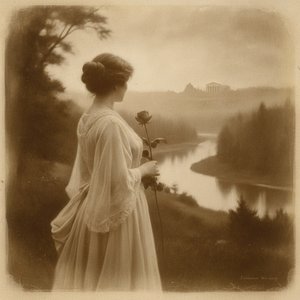
Explore the profound history of Pictorialism, the revolutionary movement that elevated photography to a fine art. Uncover how visionaries used painterly techniques and soft focus to transcend mere documentation, imbuing the lens with the emotional depth of classical masterpieces.

Explore the profound artistry of black and white photography. From historical mastery to the interplay of light and shadow, discover how monochrome captures timeless emotion and form through a sophisticated lens of art history.

Explore the profound evolution of contemporary photography through a connoisseur's lens. From monochrome mastery to digital innovation, discover how modern photographic works shape fine art collections and define our cultural legacy.


第一时间获取最新的艺术新闻、独家优惠及装饰灵感。
向我们介绍您的项目需求,我们的艺术专家将为您提供 3 个个性化的艺术品推荐。
由我们的专家为您精选 3 款心仪之作 —— 完全免费!


 购买手绘画作
 分享
分享 分享
分享
 详情
详情

 下载
下载
 相似作品
相似作品 幻灯片播放
幻灯片播放


 展开详情
展开详情






































 玻璃选项仅适用于110厘米以下的尺寸。


