
博物馆级艺术微喷或帆布版画,制作高效,并提供多种饰面选择。 ( 购买手绘画作 切换至数字图像销售渠道)





























从与原作比例一致的预设尺寸中进行选择。

您可以输入自定义尺寸,以适配特定的画框或空间。如果您选择的尺寸与原图比例不符,我们将对作品进行裁剪,或通过镜像填充/纯色填充边缘的方式来扩展图像。在开始制作之前,我们会向您发送一份数字效果图供您确认。
请注意,屏幕上的预览并不能反映实际的裁剪或扩展效果。只有效果图才能准确展示最终的构图。
虽然我们提供定制尺寸,但为了保持原图比例,我们建议您从预设列表中选择尺寸。

Two Lighthouses
复制品尺寸
Vyacheslav Mikhailov's "Two Lighthouses" is more than just a depiction of two coastal beacons; it’s a profound meditation on isolation, connection, and the enduring spirit of the Russian landscape. Painted in 2020, this artwork immediately draws the viewer into its serene yet subtly melancholic atmosphere. The scene unfolds across a gently rolling grassy field, dominated by two lighthouses – one standing proudly to the left, the other slightly further right – each a sentinel against the vast expanse of the horizon. A solitary figure, rendered with quiet dignity and wearing a hat and tie, stands between them, seemingly contemplating their steadfast presence. This isn’t a dramatic seascape; rather, it's a carefully constructed tableau designed to evoke a sense of contemplative stillness.
Mikhailov’s distinctive style is instantly recognizable through his bold, expressive brushstrokes and masterful manipulation of color. He departs significantly from the traditional, often muted palettes of landscape painting, opting instead for vibrant hues – deep blues, rich greens, and warm ochres – that imbue the scene with an almost luminous quality. The application of paint is energetic and layered, creating a palpable sense of texture and movement within each brushstroke. This technique isn’t merely decorative; it actively contributes to the painting's emotional resonance, mirroring the turbulent yet ultimately peaceful nature of the coastal environment.
Lighthouses have long held a powerful symbolic significance in Russian culture and art, representing guidance, safety, hope, and resilience. In Mikhailov’s work, they transcend their literal function as navigational aids, becoming emblems of steadfastness and enduring strength. The two lighthouses, positioned side-by-side, suggest a mutual support system – a silent acknowledgment of shared responsibility in guarding against the uncertainties of the sea (and perhaps, by extension, life). The solitary figure between them could be interpreted as humanity seeking direction or finding solace in the presence of these enduring symbols.
Interestingly, Mikhailov’s choice to include a human element adds another layer of complexity. The figure's formal attire – the hat and tie – hints at a connection to tradition and perhaps even a sense of duty. However, his solitary stance suggests introspection and a quiet detachment, inviting the viewer to consider their own place within this landscape of symbolism.
Mikhailov’s work resonates deeply with the traditions of Russian landscape painting, particularly the works of artists like Isaac Levitan and Ivan Shishkin. Like these masters, Mikhailov captures the essence of the Russian countryside – its vastness, its beauty, and its inherent solitude. However, he does so through a distinctly modern lens, employing bold colors and expressive brushwork that reflect the spirit of contemporary art. The influence of the Tretyakov Gallery, where many of his works are displayed, is evident in his commitment to portraying the raw beauty and emotional depth of the Russian landscape.
“Two Lighthouses” was created using acrylic on canvas, a medium known for its versatility and vibrant color capabilities. The painting’s scale is unknown, but it's likely a substantial piece, allowing Mikhailov to fully realize his vision of the landscape. WahooArt offers high-quality reproductions in various sizes, ensuring that the artwork’s rich colors and textural details are faithfully reproduced. When selecting a reproduction, consider the size carefully – larger formats will offer greater detail and impact, while smaller ones can be ideal for interior design applications.
The painting's evocative atmosphere and symbolic depth make “Two Lighthouses” a compelling addition to any art collection or a striking focal point in an interior space. It’s a work that invites contemplation and offers a glimpse into the heart of the Russian landscape, rendered with both technical mastery and profound emotional resonance.

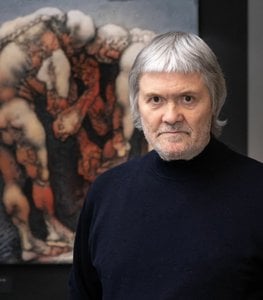
1964 - , Russia
Explore the rich history of coastal scenes in painting! Discover Impressionist masterpieces, American realism & contemporary visions. Learn about renowned artists and find your perfect seascape at WahooArt.

Explore the captivating world of seascape art! Discover its history, key artists & movements – from Dutch Masters to Impressionism. Expert insights for collectors and enthusiasts at WahooArt.
Explore the captivating world of Fyodor Vasilyev, a pioneering Russian landscape painter. Discover his lyrical style, influential works like 'Clouds' & lasting legacy. Learn about his life, artistic journey & impact on Russian art history.

Explore the rich history of landscape art with WahooArt. Discover renowned artists, movements like Impressionism & Romanticism, and expert guidance for collecting timeless pieces. Find your perfect serene escape today!

探索浪漫主义风景画的巅峰!本文精选十部经典名作,带您领略莫奈、库尔贝等大师的艺术魅力。感受色彩与光影的诗意,重温自然风光的震撼。WahooArt.com为您提供博物馆级别的艺术复制品和个性化家居装饰方案。尽在WahooArt.com!


 效果预览
效果预览
 分享
分享 分享
分享
 详情
详情

 下载
下载
 相似作品
相似作品 X射线
X射线 幻灯片播放
幻灯片播放 统计数据
统计数据


 展开详情
展开详情









 玻璃选项仅适用于110厘米以下的尺寸。


