
博物馆级艺术微喷或帆布版画,制作高效,并提供多种饰面选择。 ( 购买手绘画作 切换至数字图像销售渠道)





























从与原作比例一致的预设尺寸中进行选择。

您可以输入自定义尺寸,以适配特定的画框或空间。如果您选择的尺寸与原图比例不符,我们将对作品进行裁剪,或通过镜像填充/纯色填充边缘的方式来扩展图像。在开始制作之前,我们会向您发送一份数字效果图供您确认。
请注意,屏幕上的预览并不能反映实际的裁剪或扩展效果。只有效果图才能准确展示最终的构图。
虽然我们提供定制尺寸,但为了保持原图比例,我们建议您从预设列表中选择尺寸。

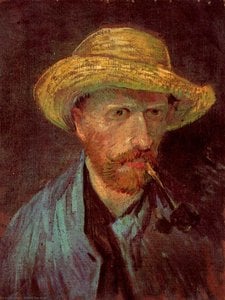
Self-portrait
复制品尺寸
This self-portrait, created by Vincent van Gogh in 1887, offers an intimate glimpse into the artist’s psyche during a pivotal period of his artistic development. It is characterized by the intense emotionality and distinctive brushwork that would come to define his signature post-impressionistic style. The artwork stands as a testament to Van Gogh's relentless self-examination and his evolving mastery of color and texture.
The painting exemplifies the core tenets of post-impressionism, moving beyond the purely optical concerns of impressionism to explore subjective emotions and symbolic meaning. Van Gogh’s technique is immediately recognizable through his use of short, broken brushstrokes applied with a palpable energy. These strokes aren't blended smoothly; instead, they remain distinct, creating a vibrant, textured surface that seems almost sculptural. The colors are bold and expressive – greens, blues, reds, and oranges intermingle to convey not just the appearance of Van Gogh’s face but also his inner state. This technique, influenced by Georges Seurat's pointillism, is transformed in Van Gogh's hands into a powerful tool for emotional expression.
This self-portrait was painted during a period of significant change and experimentation for Van Gogh. Having recently moved from the Netherlands to Paris, he was immersed in the vibrant artistic scene and exposed to new ideas and techniques. He absorbed influences from Impressionism and Neo-Impressionism but ultimately forged his own unique path, rejecting their purely observational approach in favor of a more emotionally charged style. The portrait reflects this transition – it’s an early example of his signature brushwork, hinting at the intensity that would characterize his later works.
Beyond its aesthetic qualities, the self-portrait carries a profound symbolic weight. Van Gogh's intense gaze, captured with remarkable directness, conveys a sense of introspection and vulnerability. The swirling background, rendered in dynamic brushstrokes, suggests an underlying emotional turbulence – a reflection of the artist’s struggles with mental health. The choice to depict himself so closely cropped emphasizes his face and expression, drawing the viewer into a deeply personal encounter. It is not merely a likeness; it's a window into Van Gogh's soul, revealing both his artistic genius and his inner turmoil.
This self-portrait remains one of Van Gogh’s most compelling works, celebrated for its raw emotional power and innovative technique. It exemplifies his ability to transform the act of self-representation into a profound exploration of human experience. The painting continues to resonate with audiences today, offering a poignant glimpse into the life and mind of one of history's greatest artists.

1853 - 1890 , 荷兰

Master the nuances of Impressionism vs. Post-Impressionism with our expert guide. Explore the revolutionary shift from Monet’s fleeting light to Van Gogh’s emotional depth. Discover how these iconic movements continue to inspire fine art collectors and modern interiors today.

Explore the profound emotional depth of Van Gogh's impasto technique. Discover how his sculptural brushstrokes and textured oil layers define Post-Impressionism through an expert art-historical lens, perfect for discerning collectors and fine art enthusiasts.

Unveil the profound revolution of Post-Impressionism. Explore how masters like Van Gogh and Cézanne utilized bold colors and emotional depth to transcend mere representation, laying the foundation for modern art. A sophisticated journey through history's most emotive brushstrokes.


 效果预览
效果预览
 分享
分享 分享
分享
 详情
详情 指南
指南

 下载
下载
 相似作品
相似作品 X射线
X射线 幻灯片播放
幻灯片播放 统计数据
统计数据

 展开详情
展开详情









 玻璃选项仅适用于110厘米以下的尺寸。




![鸢尾花 [1889]](/media/artworks/images-thumb/ca/85/ca85582a4fd1dc392efef83ec4dc3124.jpg)


