免费艺术咨询

x
定制手绘复刻品 定制手绘复刻品购买高清图片 购买高清图片 分享分享
详情详情 加入收藏 加入收藏 下载下载 相似作品相似作品 X射线检测X射线检测 幻灯片播放幻灯片播放

Vonal-Lap

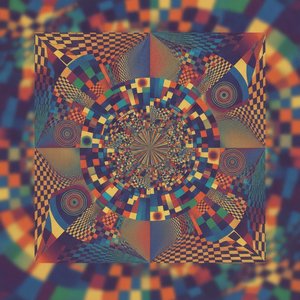
Victor Vasarely Vonal-Lap Pécs Croatia 1906 1997 The image is a painting of a blue and brown striped pattern with a large black square in the center. The painting appears to be an abstract art piece, possibly featuring Op-Art style. The image is a painting of a blue and brown striped pattern with a large black square in the center. The painting appears to be an abstract art piece, possibly

探索奥普艺术先驱维克多·瓦萨雷利 (1906-1997) 的迷人世界! 发现他的几何抽象、视觉错觉及其对现代艺术和设计的持久影响。从“蓝色研究”到“苏米”餐具,体验他系统化的光学幻象。

艺术微喷/版画

博物馆级艺术微喷或帆布版画,制作高效,并提供多种饰面选择。

P118B $10
P118H $10
P118W $10
P438Z $10
P508JH $12
P508YH $12
P805H $10
P805Z $10
P919BZ $10
P919G $10
P919XJ $10
P959ZH $10
P968JZ $12
W106C $8
W218G $10
W218JH $8
W218Y $10
W307PJ $10
W316G $10
W316PJ $8
W316Y $10
W398PJ $8
W4111J $10
W500HY $15
W500JH $15
W692G $12
W849H $8
W940BG $15
W953PJ $8

Standard
custom
CM
INCH

从与原作比例一致的预设尺寸中进行选择。

宽度
高度

您可以输入自定义尺寸,以适配特定的画框或空间。如果您选择的尺寸与原图比例不符,我们将对作品进行裁剪,或通过镜像填充/纯色填充边缘的方式来扩展图像。在开始制作之前,我们会向您发送一份数字效果图供您确认。
请注意,屏幕上的预览并不能反映实际的裁剪或扩展效果。只有效果图才能准确展示最终的构图。
虽然我们提供定制尺寸,但为了保持原图比例,我们建议您从预设列表中选择尺寸。

全球配送(),仅需 2 周即可送达,无需等待标准流程的 4/5 周。(4 July)

why_choose_icon
全球免费特快专递服务
why_choose_icon
优质亚麻画布
why_choose_icon
全程运输保险
why_choose_icon
关税退款保证
why_choose_icon
色彩还原度保证
why_choose_icon
60天退货政策(仅限制造缺陷)
why_choose_icon
100%退款保证
why_choose_icon
多件购买优惠

总计金额

-

reproduction

Vonal-Lap

艺术微喷/版画

复制品尺寸

-

最终总价

-

作品概览

  • Movement: Op Art
  • Dimensions: 80 × 80 cm
  • Influences:
    • Bauhaus
    • Mondrian
  • Year: 1969
  • Notable elements or techniques: Geometric abstraction, Optical illusion
  • Medium: Acrylic on board
  • Subject or theme: Abstract pattern

艺术知识测试

每道题只有一个正确答案。

题目 1:
What artistic movement is Victor Vasarely primarily associated with?
题目 2:
The image depicts a painting characterized by:
题目 3:
What is the dominant color scheme used in 'Vonal-Lap'?
题目 4:
Vasarely’s systematic approach to art involved:
题目 5:
‘Georges Pompidou’ exemplifies Vasarely's interest in:

藏品详情

Victor Vasarely: A Pioneer of Geometric Abstraction and Optical Illusion

Victor Vasarely (1906-1997), born Károly Vaszary in Pécs, Hungary – now Croatia – embarked on an artistic journey that defied conventional expectations. Initially drawn to medicine at Eötvös Loránd University, he swiftly recognized the profound allure of visual expression and abandoned his studies for painting in 1927, enrolling at Sándor Bortnyik’s Műhely workshop, a bastion of Bauhaus principles. This pivotal decision wasn't merely a career change; it was an embrace of geometric abstraction – a deliberate rejection of representational art and a commitment to exploring the fundamental laws governing perception itself. Influenced by titans like Mondrian and Malevich, Vasarely transcended mere imitation, striving for dynamism that actively engages the viewer’s senses.
  • Early Exploration: His formative years were marked by experimentation with color palettes and forms, culminating in seminal works such as “Blue Study” (1929) and “Green Study,” which foreshadowed his signature Op Art style.
  • Parisian Influence: Vasarely’s relocation to Paris in 1930 solidified his artistic trajectory, fostering collaboration with fellow designers and propelling him toward innovative techniques – notably the manipulation of shapes and colors to generate mesmerizing optical illusions.

The Birth of Op Art

By the mid-1960s, Vasarely had firmly established himself as a vanguard of Op Art—a movement that revolutionized visual experience. Unlike artists prioritizing intuition, he adopted a rigorously systematic methodology rooted in mathematics and grids. This approach yielded patterns designed to provoke perceptual vibrations – sensations of movement and depth where none physically existed. He championed reproducibility and accessibility, believing art should transcend elitist boundaries and engage the public imagination. Vasarely’s conviction that art could alter perception was revolutionary, challenging viewers to question their own sensory input.
  • Mathematical Precision: Vasarely's method involved applying geometric principles—specifically grids—to generate visual illusions.
  • Kinetic Art Integration: He extended his artistic vision into kinetic art, creating installations like “Georges Pompidou” that seamlessly blended art with architecture and urban spaces.

Vonal-Lap: A Testament to Vasarely’s Vision

“Vonal-Lap,” created in 1969, exemplifies Vasarely's unwavering dedication to his artistic system—a masterful blend of geometric abstraction and optical illusion. The painting utilizes a striking blue and brown striped pattern punctuated by a prominent black square, embodying the core tenets of Op Art. Its vibrant colors contrast powerfully, creating an immersive visual experience that captivates the eye and stimulates contemplation. Displayed on a wall, “Vonal-Lap” showcases Vasarely’s enduring legacy as a pioneer who reshaped our understanding of perception and solidified his place among the most influential artists of the 20th century. The artwork's meticulous execution—characterized by precise color layering and geometric arrangement—reflects Vasarely’s unwavering commitment to artistic rigor and innovation. Note: This piece is a reproduction of Victor Vasarely’s iconic work, “Vonal-Lap,” demonstrating the artist’s masterful command of geometric abstraction and optical illusion.

相似艺术品


艺术家简介

几何幻象的缔造者:维克多·瓦萨雷利的世界

维克多·瓦萨雷利(Victor Vasarely,1906-1997),原名卡罗尔·瓦萨里(Károly Vaszary),出生于匈牙利佩奇市,他的艺术之路并非一帆风顺。最初,他怀揣着成为医生的梦想,在布达佩斯的多瑙河大学攻读医学。然而,对视觉表达的强烈渴望最终战胜了理性,1927年,他毅然决然地放弃了医学,投身于艺术的学习,进入波多利尼-沃尔克曼学院深造。这一选择不仅改变了他的职业生涯,更开启了他探索感知与形式基本原则的一生。在桑德尔·博尔特尼克(Sándor Bortnyik)的“工作坊”(Műhely)中,瓦萨雷利接触了受包豪斯运动影响的功能主义设计和几何抽象,这些理念成为了他艺术风格的基石。这段早期的经历并非仅仅是技巧的积累,更是对传统艺术惯例的解构,以及对一种根植于逻辑与精确的新视觉语言的拥抱。

从早期抽象到光艺的曙光

20世纪20年代末和30年代初,瓦萨雷利逐渐远离了具象绘画,深入探索几何抽象的领域。“蓝色研究”和“绿色研究”(1929)等作品清晰地展现了这个转变——他有意识地舍弃了叙事内容,转而专注于纯粹的形式与色彩关系。尽管受到皮特·蒙德里安(Piet Mondrian)和卡济米尔·马列维奇(Kazimir Malevich)等大师的影响,瓦萨雷利并未满足于简单的模仿。他渴望超越前辈们静态的构图,追求一种能够积极调动观者感知的动态效果。1930年,他移居巴黎,在那里建立了自己的事业,从事平面设计和广告艺术工作,不断磨练技艺的同时,也在探索着独特的艺术视野。正是在这段时期,他开始尝试那些后来成为光艺标志性技巧的实验——通过操纵形状与色彩来创造运动和深度的幻觉。一场视觉体验的革命的种子已经播下。

系统性的幻象:定义一种新的艺术流派

到了20世纪60年代,维克多·瓦萨雷利已然成为蓬勃发展的光艺运动中的领军人物。与许多依赖直觉和即兴创作的艺术家不同,瓦萨雷利以一种截然不同的系统性方法来对待他的作品。他运用网格和数学原理生成模式,从而创造出强大的光学幻觉——视觉振动、旋转效果以及在实际上不存在深度时产生的空间感。这并非为了欺骗观者,而是为了揭示感知本身固有的动态性。他相信可复制性和大众吸引力,旨在通过打破画廊和博物馆的界限来普及艺术。他的作品挑战了观者对自身视觉体验的认知,迫使他们积极参与到意义的创造中。这种有意识的与感知的互动将光艺与其他艺术形式区分开来,并巩固了瓦萨雷利在这一领域的地位。他不仅仅是在绘画画面,更是在构建一种体验。

超越画布:运动探索和持久的遗产

瓦萨雷利的艺术探索并未止步于静态幻觉。他越来越深入地涉足运动艺术领域,创作出包含实际运动或通过精心设计的视觉效果呈现运动的作品。“庞皮杜中心”(Georges Pompidou)(1976)是这一雄心壮举的见证——它将艺术与建筑和城市设计融为一体,规模宏大。他还以惊人的创新精神将他的设计应用于商业产品,最著名的合作是与罗斯柴尔德瓷器公司(Rosenthal porcelain),从而诞生了标志性的“苏奥米”(Suomi)餐具系列。这种模糊高雅艺术与功能性对象之间界限的意愿进一步强调了他对艺术潜能能够渗透到日常生活中的信念。通过在1982年将丝网印刷品装载到法苏联合飞船“礼炮7号”上,他确保了其作品在全球范围内的认可,并将其与人类探索更广阔领域的努力联系起来。维克多·瓦萨雷利的遗产远远超出了绘画的范畴;他深刻地影响了平面设计、时尚、室内设计,甚至早期的计算机图形学,激励着几代人以他的创新愿景和对探索感知可能性的坚定承诺为榜样。《他仍然是现代艺术史上的一个关键人物,一位真正的远见卓识者,敢于挑战我们对艺术可能性的理解。

历史意义

瓦萨雷利对艺术史的贡献是多方面的。他超越了传统的绘画技巧,创造出能够积极调动观者感知的作品。他的系统性方法挑战了人们对艺术创作的传统观念,为计算机生成的艺术和数字设计铺平了道路。通过拥抱可复制性和商业应用,瓦萨雷利模糊了高雅艺术与大众文化之间的界限,在两者之间留下了持久的影响。《他不仅仅是在创造美观的对象;他正在进行视觉实验,揭示了我们如何看待世界的根本真相。》他的作品至今仍能引起共鸣,提醒着我们抽象的力量、几何的美以及人类创造力的无限可能性。
维克多·瓦萨雷利

维克多·瓦萨雷利

1906 - 1997 , 克罗地亚

艺术家简介

  • 全名: 维克多·瓦萨雷利
  • 出生地点: 佩奇, 克罗地亚
  • 出生日期: 1906年4月9日
  • 去世日期: 1997年3月15日
  • 受影响的艺术家或流派:
    • 平面设计
    • 室内设计
  • 国籍: 匈牙利-法国
  • 影响艺术家:
    • 皮特·蒙德里安
    • 卡济米尔·马列维奇
  • 艺术流派或风格: 光学艺术,运动艺术
  • 著名作品:
    • 蓝色研究
    • 绿色研究
    • 斑马
    • Suomi餐具
探索按主题、风格和特征分类的艺术作品。