
x































从与原作比例一致的预设尺寸中进行选择。

您可以输入自定义尺寸,以适配特定的画框或空间。如果您选择的尺寸与原图比例不符,我们将对作品进行裁剪,或通过镜像填充/纯色填充边缘的方式来扩展图像。在开始制作之前,我们会向您发送一份数字效果图供您确认。
请注意,屏幕上的预览并不能反映实际的裁剪或扩展效果。只有效果图才能准确展示最终的构图。
虽然我们提供定制尺寸,但为了保持原图比例,我们建议您从预设列表中选择尺寸。

Oervegn
复制品尺寸
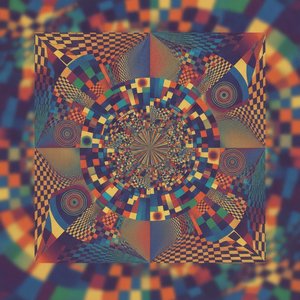
Victor Vasarely's "Oervegn," painted in 1968, is more than just a visually striking image of a blue circle punctuated by a vibrant yellow spiral; it’s a profound meditation on perception and the very nature of reality. Created during his pivotal period as a leading figure in Op Art – Optical Art – this work embodies Vasarely's lifelong fascination with geometry, movement, and the illusionary effects created through precise visual arrangements. The painting’s genesis lies within the Bauhaus-influenced workshop of Sándor Bortnyik, where Vasarely honed his skills in functional design and geometric abstraction, principles that would become the bedrock of his artistic vocabulary.
Vasarely's technique was meticulously crafted to manipulate the viewer’s perception. “Oervegn” exemplifies this approach through a deliberate use of contrasting colors – the cool, calming blue against the energetic yellow – and a precisely rendered spiral. This isn’t simply a decorative element; it’s a carefully constructed illusion designed to create a sense of movement and depth within a static image. The circular form itself is a fundamental geometric shape, often associated with wholeness, unity, and the cosmos. Vasarely's mastery lay in exploiting the way our eyes and brain process visual information, creating an optical experience that transcends traditional representational art.
Painted in 1968, “Oervegn” reflects a broader artistic movement – Op Art – which emerged in the mid-20th century as a reaction against the dominance of representational painting. Artists like Vasarely sought to engage with the viewer directly through optical effects, challenging conventional notions of space and form. This period was also marked by advancements in science, particularly psychology and optics, which informed artists’ explorations into visual perception. The work speaks to a time of rapid technological change and increasing awareness of the constructed nature of reality – themes that continue to resonate today.
While seemingly abstract, “Oervegn” invites contemplation about fundamental questions: What is real? How do we perceive the world around us? The spiral, a symbol of eternity and continuous movement, suggests an endless cycle or process. The blue hue evokes feelings of serenity and introspection, while the yellow injects energy and optimism. Ultimately, Vasarely’s work isn't about depicting a specific scene; it’s about evoking an emotional response through carefully orchestrated visual elements. It is a piece that invites the viewer to become actively involved in the creation of meaning.

1906 - 1997 , 克罗地亚
Explore the mesmerizing world of Victor Vasarely. Discover how his Bauhaus-inspired Op Art masters the science of perception through geometric abstraction and vibrant color. A sophisticated guide for discerning art collectors seeking to understand the legacy of optical illusion.

Embark on a visual journey through the mesmerizing world of Op Art. Discover the masters of optical illusion, explore geometric abstraction, and learn how to curate high-impact kinetic works for your private collection with expert guidance from art professionals.


第一时间获取最新的艺术新闻、独家优惠及装饰灵感。
向我们介绍您的项目需求,我们的艺术专家将为您提供 3 个个性化的艺术品推荐。
由我们的专家为您精选 3 款心仪之作 —— 完全免费!


 效果预览
效果预览
 购买手绘画作
 分享
分享 分享
分享
 详情
详情

 下载
下载
 相似作品
相似作品 X射线
X射线 幻灯片播放
幻灯片播放

 展开详情
展开详情









 玻璃选项仅适用于110厘米以下的尺寸。


