
博物馆级艺术微喷或帆布版画,制作高效,并提供多种饰面选择。 ( 订购此收藏品的纯手工复刻画作 切换至数字图像销售渠道)





























您可以从与原作比例一致的预设尺寸中进行选择。

请输入您所需的宽度和高度,以适配您的画框或墙面。由于印刷品只能进行裁剪,无法超出原图尺寸,因此若比例不一致,画面的一部分将会被裁切。在正式印刷之前,我们会为您发送一份数字效果图供您确认。本页面显示的图片并非最终裁剪后的效果——只有效果图才能展示真实的裁剪情况。
Dia-Or
复刻品尺寸说明
Victor Vasarely's "Dia-Or" is not merely a painting; it’s an invitation into the very fabric of perception. This captivating work, rendered in oil with meticulous attention to detail, embodies the core principles of Op Art – Optical Art – a movement that sought to challenge our understanding of how we see and experience the world. The image itself presents a mesmerizing arrangement: a dominant yellow circle, encircled by an intricate network of smaller circles, creating a visual effect reminiscent of both a honeycomb and a swirling swarm of bees. This duality speaks directly to Vasarely’s fascination with the relationship between order and chaos, a central theme throughout his career.
Born in 1906 in Pécs, Croatia – then part of Austria-Hungary – Károly Vaszary, as he was initially known, embarked on an extraordinary artistic journey. Initially drawn to medicine, he ultimately abandoned this path for the burgeoning world of painting in 1927, a decision profoundly shaped by his studies at the Podolini-Volkmann Academy and, crucially, Sándor Bortnyik’s “Műhely” workshop. This environment, steeped in the influence of the Bauhaus movement, instilled within him a rigorous approach to geometric abstraction – a deliberate exploration of form and its impact on visual perception. Vasarely wasn't simply creating pretty pictures; he was conducting an experiment with light, color, and the human eye.
"Dia-Or" is a quintessential example of Op Art’s revolutionary approach. Developed in the 1960s, this movement sought to create illusions of depth, movement, and vibration through purely abstract geometric forms. Vasarely, along with artists like Bridget Riley and Josef Albers, pioneered techniques that manipulated our visual system, exploiting optical effects to generate a dynamic and engaging experience for the viewer. The meticulous layering of circles in "Dia-Or" exemplifies this technique – each element contributes to the overall illusion, drawing the eye across the canvas in a constant state of subtle movement.
While ostensibly abstract, “Dia-Or” resonates with deeper symbolic meanings. The circle itself is a universal symbol representing wholeness, unity, and eternity – concepts frequently explored by Vasarely. The surrounding smaller circles suggest interconnectedness, dynamism, and the constant flux of visual information. The vibrant yellow hue adds to the painting’s intensity, evoking feelings of energy, optimism, and perhaps even a sense of controlled chaos. This piece isn't just visually stimulating; it invites contemplation on the nature of perception itself.

1906 - 1997 , 克罗地亚

Explore the profound spiritual depth of geometric abstraction. From Malevich's Suprematism to modern masters, our expert guide reveals how pure form and color command presence in fine art collections.
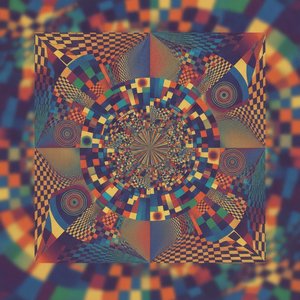
Explore the mesmerizing world of Victor Vasarely. Discover how his Bauhaus-inspired Op Art masters the science of perception through geometric abstraction and vibrant color. A sophisticated guide for discerning art collectors seeking to understand the legacy of optical illusion.

Discover the profound beauty of abstract art. Our expert guide explores geometric abstraction, Op Art, and Expressionism, offering connoisseurs deep insights into collecting and curating powerful, non-representational masterpieces for sophisticated interiors.

Embark on a visual journey through the mesmerizing world of Op Art. Discover the masters of optical illusion, explore geometric abstraction, and learn how to curate high-impact kinetic works for your private collection with expert guidance from art professionals.


 实景预览
实景预览
 发送
发送 分享
分享
 详情
详情 指南
指南

 下载图片
下载图片
 相似作品
相似作品 X射线
X射线 幻灯片播放
幻灯片播放 统计数据
统计数据

 阅读全文
阅读全文









 玻璃选项仅适用于110厘米以下的尺寸。


