































从与原作比例一致的预设尺寸中进行选择。

您可以输入自定义尺寸,以适配特定的画框或空间。如果所选尺寸与原图比例不符,我们将通过裁剪作品或添加手绘元素来扩展画面。数字样稿将在制作开始前发送给您确认。
请注意,屏幕预览无法准确反映实际的裁剪或扩展效果,只有样稿才能真实呈现最终的构图。
虽然我们提供定制尺寸服务,但为了保留原作比例,建议您从预设列表中选择尺寸。

Self-Portrait
复制品尺寸
Vasily Ivanovich Surikov’s Self-Portrait from 1879 offers more than just a likeness; it is an intimate confrontation between the artist and the viewer, filtered through the rich lens of late 19th-century Russian portraiture. To gaze into these painted eyes is to encounter not merely a man in fine attire—the dark suit, the crisp bowtie, the distinguished beard—but a mind at work, poised between public presentation and private introspection. Surikov, a titan of Russian Realism, possessed an uncanny ability to capture the psychological undercurrents beneath the polished surface of society. This portrait is a masterclass in controlled formality, suggesting a moment captured just before or after a significant social engagement.
The technical execution speaks volumes about Surikov’s skill. The rendering of the fabric, the subtle sheen on the lapels, and the precise knot of the bowtie demonstrate an acute understanding of texture and light. Yet, it is the sitter's gaze that anchors the piece. He looks directly out, engaging us in a silent dialogue. This direct address transforms the painting from a mere record into an active participant in our viewing experience. The inclusion of the chair in the background grounds the figure within a tangible, albeit somewhat undefined, domestic or studio setting, lending an air of established permanence to the moment.
To appreciate this work is to understand its historical cradle: the zenith of Russian Realism. While Surikov is perhaps more famous for his sweeping historical epics detailing Russia's grand narratives, even in a seemingly personal study like this self-portrait, one senses that commitment to truth. His background, steeped in the realities of Siberian life and folklore, informs every gesture here—a dedication to portraying humanity with unflinching honesty, whether depicting peasant struggle or the measured composure of an urban gentleman.
The very act of painting a self-portrait during this era was often a negotiation between public persona and private identity. The formal suit and bowtie symbolize adherence to societal expectations—the respectable, successful man of his time. However, the intensity in his expression hints at the complexity beneath that veneer. It invites us, the modern viewer, to consider our own carefully constructed facades. This painting whispers secrets about ambition, self-awareness, and the enduring weight of expectation.
For collectors or those seeking art that speaks with intellectual depth, this reproduction offers an unparalleled opportunity to connect with a pivotal moment in Russian artistic history. It is a piece designed not just for admiration, but for contemplation. Imagine it gracing a study or drawing-room; its sophisticated narrative quality elevates any space, suggesting the cultured taste of someone who appreciates both technical brilliance and profound human psychology.


1848 - 1916 , 俄罗斯

Explore the profound depth of Russian Realism. From the social truths of the Peredvizhniki to epic folklore, discover the soulful power of masters like Perov and Yaroshenko through our expert art history insights and museum-quality reproductions.

Explore the profound beauty of 19th-century Russian art. From Ilya Repin's realism to pastoral landscapes, discover the soul of the steppes through our expert historical analysis and museum-quality hand-painted reproductions for discerning collectors.
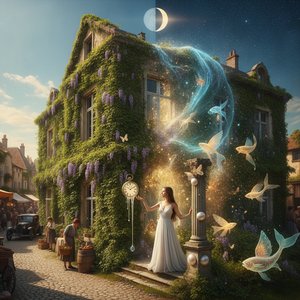
Explore the enigmatic world of Magic Realism. From its German origins to Latin American mastery, discover how this sophisticated movement blends reality with the extraordinary—perfect for discerning collectors seeking depth and wonder in fine art.


 效果预览
效果预览
 购买印刷品
购买印刷品 分享
分享 分享
分享
 详情
详情

 下载
下载
 相似作品
相似作品 X射线
X射线 幻灯片播放
幻灯片播放


 展开详情
展开详情









 玻璃选项仅适用于110厘米以下的尺寸。


