
 Zen Art Movement
 601
601 90.0cm x 33.0cm
由我们的艺术家按需定制,为您提供您所选尺寸及画框的布面手工油画。 ( 切换至版画销售渠道 切换至数字图像销售渠道)
您可以从与原作比例一致的预设尺寸中进行选择。

请输入您需要的宽度和高度,以适配您的画框或墙面。由于作品为手工绘制,若您选择不同的尺寸比例,艺术家可能会在画面边缘多画一些或稍作裁剪 —— 由您决定。在开始绘画之前,我们会为您发送一份数字效果图供您确认。本页面上展示的图片并非最终实物 —— 只有效果图才能反映真实结果。
Bodhidharma
复刻品尺寸说明
通过“Bodhidharma”的预览页面,您可以在下单前预览艺术品。
关于版权,"Bodhidharma" 属于 属于公有领域 —— 其版权已过期。
“Bodhidharma” 具备增强现实预览功能:通过作品的 AR 预览 页面,您可以在兼容设备上查看该作品呈现在您专属空间的效果。

Unkoku Tōgan, born in 1547, stands as a significant figure in Japanese art history, renowned for his realistic landscapes and the profound spirituality interwoven within his works. Born into privilege as the second son of Hara Naoie, lord of Nokomi Castle in Hizen province, Nagasaki provided the backdrop to his early life and artistic development.
Tōgan’s initial training occurred within the esteemed Kanō school, a dominant force in Japanese art during that era. However, he soon transcended this foundation, drawing significant inspiration from the celebrated painter Sesshū Tōsai. This influence is evident in his signature style – paintings primarily executed using ink on paper, depicting strikingly realistic landscapes. He initially worked under Lord Mori of Yamaguchi Prefecture.
Unkoku Tōgan’s artistic hallmark lies in his bold brushstrokes and the vibrant colors he employed, a departure from traditional Japanese art styles. His landscapes weren't merely depictions of scenery; they conveyed a sense of depth and realism rarely seen at the time. Some of his most recognized works include:
Tōgan’s life extended beyond the realm of painting. He embraced a spiritual path, becoming a Buddhist priest and abbot of Unkoku-an Temple. This experience profoundly shaped his artistic vision, imbuing his works with themes of nature and spirituality. His paintings often reflect a deep connection to the natural world and an understanding of Zen principles.
Unkoku Tōgan’s influence resonated throughout Japanese art history. While rooted in the Kanō school, he forged his own distinct style that inspired subsequent generations of artists. Notable figures who drew inspiration from his work include:
His paintings are housed in prestigious institutions such as the Museum Menard Art Museum, highlighting his enduring importance within Japanese cultural heritage. His artistic style and legacy continue to be studied by art historians and scholars today.

1547 - 1618 , Japan

Embark on a profound journey through the soul of Chinese calligraphy. Explore the historical mastery of ink, brush, and script, from ancient Zhuanshu to elegant running script, and discover how this timeless art form reflects the enduring spirit of classical East Asian aesthetics.

Embark on a sophisticated exploration of ink wash painting and Sumi-e. Uncover the profound historical lineages, Zen philosophies, and technical mastery behind this timeless medium in our authoritative guide for fine art enthusiasts.
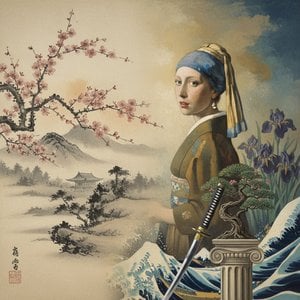
Explore the profound influence of Japanese artistry on global masterpieces. From Ukiyo-e prints to Zen aesthetics, discover how Eastern elegance transformed Western art history in this deep cultural reflection for fine art enthusiasts and collectors.
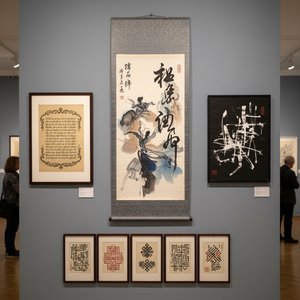
Explore the profound beauty of calligraphy art. From the fluid running script of Chinese masters to historical ink masterpieces, discover how the elegance of line transforms spaces with timeless grace and scholarly sophistication.

Explore the profound beauty of Japanese landscape painting. From Hokusai's iconic vistas to Zen-inspired compositions, discover the spiritual depth and historical mastery of Ukiyo-e art in this expert cultural retrospective.


 实景预览
实景预览
 发送
发送 分享
分享
 详情
详情 指南
指南

 下载图片
下载图片
 相似作品
相似作品 X射线
X射线 幻灯片播放
幻灯片播放 统计数据
统计数据 阅读全文
阅读全文






































 玻璃选项仅适用于110厘米以下的尺寸。


