
博物馆级艺术微喷或帆布版画,制作高效,并提供多种饰面选择。 ( 购买手绘画作 切换至数字图像销售渠道)





























从与原作比例一致的预设尺寸中进行选择。

您可以输入自定义尺寸,以适配特定的画框或空间。如果您选择的尺寸与原图比例不符,我们将对作品进行裁剪,或通过镜像填充/纯色填充边缘的方式来扩展图像。在开始制作之前,我们会向您发送一份数字效果图供您确认。
请注意,屏幕上的预览并不能反映实际的裁剪或扩展效果。只有效果图才能准确展示最终的构图。
虽然我们提供定制尺寸,但为了保持原图比例,我们建议您从预设列表中选择尺寸。

Horizontal Volumes
复制品尺寸
Umberto Boccioni's “Horizontal Volumes,” painted in 1912, stands as a cornerstone of Futurist art—a movement determined to shatter artistic conventions and embrace the relentless pace of modernity. More than just a depiction of urban life, it’s an ambitious exploration of perception itself, reflecting Boccioni’s profound belief that art should capture not simply what is seen but how it feels.
The painting immediately grabs the viewer's attention with its striking geometric composition. At its core sits a woman seated before a building, her hands clasped together in an act of quiet contemplation—a deliberate juxtaposition against the assertive backdrop of architectural forms. These buildings aren’t merely static structures; they are rendered as interlocking planes and volumes, meticulously constructed using bold lines and angular shapes characteristic of Futurist aesthetics. Boccioni skillfully employs these geometric elements to convey a sense of movement and instability, subtly disrupting traditional notions of perspective.
Boccioni’s artistic endeavors were deeply rooted in the tenets of Futurism, spearheaded by Filippo Tommaso Marinetti. This revolutionary movement championed speed, dynamism, and even violence—a reaction against the perceived stagnation of academic art. “Horizontal Volumes” embodies this spirit, portraying not a tranquil scene but rather an experience of rapid transformation. The artist’s intention wasn't to reproduce reality faithfully; instead, he sought to distill its essence into visual symbols that communicated the sensation of movement and energy.
Beyond its formal qualities, “Horizontal Volumes” resonates with deeper symbolic meanings. The woman’s posture—seated yet engaged—represents a moment of introspection amidst the overwhelming forces of urban life. Her clasped hands symbolize resilience and inner strength, suggesting an ability to withstand external pressures while maintaining a sense of equilibrium. Furthermore, the building itself can be interpreted as representing stability and permanence against which the dynamism of the woman’s presence is contrasted. The painting evokes feelings of contemplation, vulnerability, and ultimately, hope—a testament to Boccioni's conviction that art could illuminate the complexities of the human condition in a rapidly changing world.
To gain a fuller understanding of Umberto Boccioni’s artistic vision and the broader context of Futurism, consider visiting Civica Galleria d'Arte Moderna in Milan, Italy. This museum houses an impressive collection of modern and contemporary art, including significant works by Boccioni himself—such as “Dynamism of a Human Body”—providing invaluable insight into the movement’s aesthetic principles and intellectual currents.

1882 - 1916 , 意大利

Explore the exhilarating world of Futurism with our expert guide. Discover how masters like Balla and Boccioni captured speed, power, and modern motion through dynamic avant-garde techniques—essential knowledge for any discerning art collector.
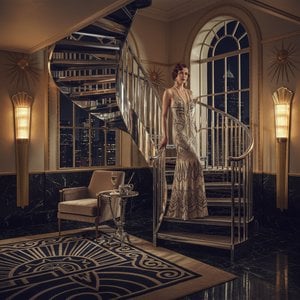
Discover the allure of Art Deco style with our expert guide to luxury interiors. Explore iconic influences from Erté to Jean Dunand and learn to curate a sophisticated space filled with timeless glamour and geometric elegance.

Discover the breathtaking allure of Art Deco. Explore the era's iconic geometry, legendary designers like Erté, and timeless glamour. Perfect for discerning collectors seeking to infuse their spaces with sophisticated modernist elegance and historical prestige.
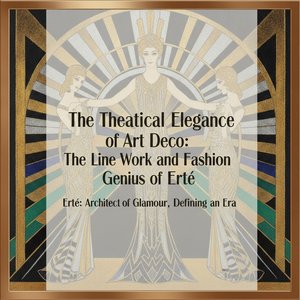
Discover the unparalleled elegance of Art Deco through the lens of Erté. Explore a masterclass in linear precision, theatrical costume design, and high-fashion illustration that continues to define modern luxury and sophisticated interior aesthetics.
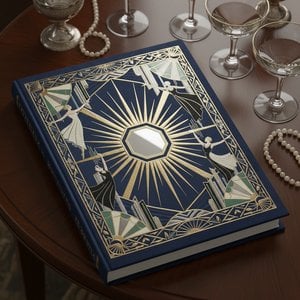
Discover the allure of Art Deco through a curated guide to its most iconic masterpieces. Explore the elegance of Erté and the innovation of Jean Dunand, perfect for collectors seeking timeless glamour and sophisticated design inspiration.


 效果预览
效果预览
 分享
分享 分享
分享
 详情
详情

 下载
下载
 相似作品
相似作品 X射线
X射线 幻灯片播放
幻灯片播放 统计数据
统计数据

 展开详情
展开详情









 玻璃选项仅适用于110厘米以下的尺寸。


