
由我们的艺术家按需定制,为您提供您所选尺寸及画框的布面手工油画。 ( 切换至版画销售渠道 切换至数字图像销售渠道)





























从与原作比例一致的预设尺寸中进行选择。

您可以输入自定义尺寸,以适配特定的画框或空间。如果所选尺寸与原图比例不符,我们将通过裁剪作品或添加手绘元素来扩展画面。数字样稿将在制作开始前发送给您确认。
请注意,屏幕预览无法准确反映实际的裁剪或扩展效果,只有样稿才能真实呈现最终的构图。
虽然我们提供定制尺寸服务,但为了保留原作比例,建议您从预设列表中选择尺寸。

Campagna
复制品尺寸
Umberto Boccioni's "Campagna," painted in 1908, is more than just a depiction of a landscape; it’s a profound statement about the evolving relationship between humanity and nature within the burgeoning world of early 20th-century modernity. This pastel-hued masterpiece, a cornerstone of the Futurist movement, invites viewers into a dreamlike state, capturing a moment of quiet contemplation amidst a subtly dynamic scene. The painting's power lies not in dramatic action but in its carefully constructed atmosphere – an atmosphere that speaks to the anxieties and aspirations of a generation grappling with rapid industrialization and the promise (and potential peril) of technological advancement.
At first glance, “Campagna” presents a seemingly simple tableau: a woman reclining on the ground, enveloped by a rugged Italian landscape. However, Boccioni’s genius lies in layering this immediate scene with symbolic depth. The woman's pose – lying on her back – immediately evokes vulnerability and openness, suggesting a desire for connection or perhaps a surrender to the beauty of the surrounding world. The rocky terrain, rendered with meticulous detail despite the overall softness of the palette, represents both stability and challenge; a grounding force against which the figures’ thoughts can unfold. The presence of two other figures in the background, engaged in an ambiguous interaction, adds another layer of complexity. Are they observers? Participants? Their uncertain positioning reinforces the painting's theme of introspection and the difficulty of truly understanding one's place within the larger world.
Painted in pastel colors, “Campagna” exemplifies Boccioni’s Futurist approach to representation. The movement favored by Futurists was a rejection of traditional artistic conventions that emphasized static depictions of reality. Instead, they sought to capture the fleeting moments of dynamism—the energy and speed of modern life. While this painting doesn't overtly depict motion in the way some of Boccioni’s other works do, the soft blurring of forms and the delicate layering of color create a sense of movement and atmosphere. The technique is characterized by loose brushstrokes and an emphasis on capturing light and shadow to evoke a dreamlike quality. This approach aligns with the Futurist desire to represent not just what things *look* like, but how they *feel* – the sensation of speed, energy, and transformation.
"Campagna" was created during a period of intense social and artistic upheaval in Italy. The rise of industrialization, coupled with the influence of figures like Filippo Tommaso Marinetti, fueled the Futurist movement’s radical rejection of established artistic norms. Boccioni aimed to capture the spirit of this era – a sense of optimism mingled with anxiety about the future. The painting can be interpreted as a meditation on the human condition in the face of modernity: a yearning for peace and tranquility amidst the relentless forces of change. The pastel palette itself contributes to this symbolism, evoking a sense of serenity and spiritual contemplation—a deliberate contrast to the perceived chaos of the industrial age.


1882 - 1916 , 意大利

探索康斯塔布尔的25幅传世杰作!沉浸于英国田园风光,感受浪漫主义绘画大师的光影与色彩。高清油画复制、艺术品购买尽在WahooArt.com,为您的家居增添经典之美。立即在线探索完整系列!

Journey into the heart of Impressionism! Explore 10 masterpieces by Monet, Renoir & Degas that revolutionized landscape art. Discover their stories, techniques & find museum-quality reproductions to elevate your home decor on WahooArt.com.
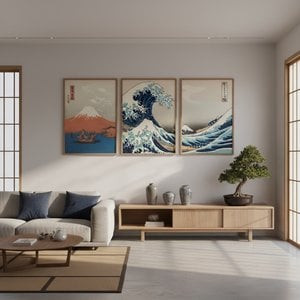
探索葛饰北斋的25幅传世名作!深入了解浮世绘大师的艺术传奇,感受《神奈川冲浪波》等经典作品背后的故事与魅力。WahooArt.com提供博物馆级高质量复制品,为您的家居带来日本风情和艺术灵感。立即探索完整系列!

探索浪漫主义风景画的巅峰!本文精选十部经典名作,带您领略莫奈、库尔贝等大师的艺术魅力。感受色彩与光影的诗意,重温自然风光的震撼。WahooArt.com为您提供博物馆级别的艺术复制品和个性化家居装饰方案。尽在WahooArt.com!
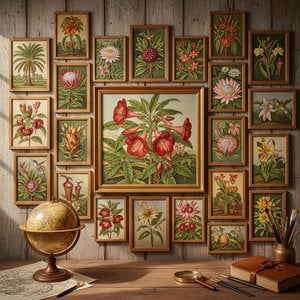
Journey through the vibrant world of Marianne North’s botanical paintings! Explore 25 iconic artworks from this Victorian artist, celebrating exotic flora & travel. Find museum-quality reproductions and curated decor ideas at WahooArt.com.


 效果预览
效果预览
 分享
分享 分享
分享
 详情
详情 指南
指南

 下载
下载
 相似作品
相似作品 X射线
X射线 幻灯片播放
幻灯片播放 统计数据
统计数据

 展开详情
展开详情









 玻璃选项仅适用于110厘米以下的尺寸。


