
由我们的艺术家按需定制,为您提供您所选尺寸及画框的布面手工油画。 ( 切换至版画销售渠道 切换至数字图像销售渠道)





























从与原作比例一致的预设尺寸中进行选择。

您可以输入自定义尺寸,以适配特定的画框或空间。如果所选尺寸与原图比例不符,我们将通过裁剪作品或添加手绘元素来扩展画面。数字样稿将在制作开始前发送给您确认。
请注意,屏幕预览无法准确反映实际的裁剪或扩展效果,只有样稿才能真实呈现最终的构图。
虽然我们提供定制尺寸服务,但为了保留原作比例,建议您从预设列表中选择尺寸。

The Fisherman
复制品尺寸
Tom Thomson's "The Fisherman" isn't merely a depiction of a solitary figure casting his line; it’s a profound immersion into the heart of Canadian wilderness, a distilled essence of the early 20th century’s burgeoning interest in capturing the soul of the land. Painted in 1917, during a pivotal period for both Thomson and the nascent Group of Seven, this oil on wood panel vibrates with an almost palpable sense of tranquility and rugged beauty. The scene unfolds within a dramatically rendered landscape – a rocky outcrop framing a rushing river, culminating in a distant, imposing waterfall. It’s a vista that speaks to the vastness and untamed spirit of Algonquin Park, a place that would become inextricably linked with Thomson's artistic vision.
Thomson, a self-taught artist who emerged from humble beginnings as a pen illustrator, possessed an uncanny ability to translate the raw energy of nature onto canvas. He eschewed academic precision in favor of a direct, emotionally charged approach – a technique that resonated deeply with the Canadian landscape and its people. “The Fisherman” exemplifies this style perfectly; the brushstrokes are loose and expressive, conveying movement and texture with remarkable immediacy. The artist doesn’t attempt to replicate reality with photographic accuracy but rather captures the *feeling* of being present in that specific moment, bathed in the light and surrounded by the sounds of nature.
The painting's power lies significantly in its masterful use of color and texture. Thomson employs a predominantly warm palette – deep reds, oranges, and browns dominate, mirroring the hues of autumn foliage and the earth itself. These rich tones are juxtaposed with cooler blues and greens within the river and surrounding vegetation, creating a dynamic visual harmony. Crucially, he utilizes thick impasto—a technique involving applying paint in heavy layers—to build up texture on the rocks, water surface, and even the fisherman’s clothing. This tactile quality invites the viewer to almost *feel* the roughness of the stone beneath their fingertips or the coolness of the flowing water.
The composition itself is carefully considered. The diagonal thrust of the river draws the eye into the distance, while the towering cliffs provide a sense of scale and drama. Geometric shapes – triangles for the cliffs, curves for the river, and rectangles for the fisherman’s attire – are subtly integrated within the overall impressionistic style. This interplay between structured form and loose brushwork contributes to the painting's captivating visual rhythm.
Beyond its technical brilliance, “The Fisherman” carries significant symbolic weight. The solitary figure represents not just a fisherman but also embodies a deeper connection with nature – a theme central to Thomson’s work and increasingly important in early 20th-century Canada. The act of fishing itself can be interpreted as a metaphor for the human relationship with the natural world: a quiet, respectful engagement seeking sustenance and understanding. The vastness of the landscape underscores the individual's place within it – a humbling reminder of both our dependence on and connection to the environment.
Furthermore, the painting reflects the growing national identity in Canada at the time. Thomson’s focus on the Canadian wilderness resonated with a desire for self-expression and independence from European influences. His work helped to establish a distinctly Canadian artistic voice, paving the way for the Group of Seven and shaping the country's visual landscape for generations to come. “The Fisherman” stands as a testament to this legacy – a timeless image that continues to evoke feelings of peace, solitude, and profound connection with the natural world.


1877 - 1917 , 加拿大

Explore the ethereal beauty of Impressionist landscapes. Discover how masters like Monet captured fleeting light through color and texture, and learn to curate these timeless, luminous masterpieces for your home collection.

Elevate your personal landscapes into breathtaking Impressionist oil masterpieces. WahooArt transforms your cherished photos into museum-quality, hand-painted treasures through academic artistry and premium craftsmanship. Invest in a timeless legacy for your home today.

Embark on a visual journey through history's most iconic landscapes. Discover the mastery of Impressionism and the sublime power of nature through our expert guide to classical landscape art, curated for the discerning collector and fine art enthusiast.
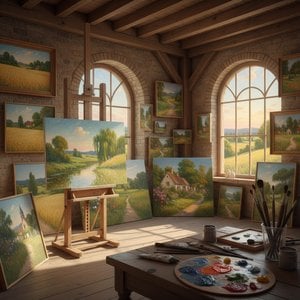
Discover the profound tranquility of rural art through an expert exploration of Impressionist landscapes. From pastoral scenes to textured oil masterpieces, learn how timeless nature-inspired artworks bring enduring elegance and serenity to sophisticated collectors.

Discover the profound emotional depth of Post-Impressionist landscapes. Explore how masters like Van Gogh revolutionized art through vibrant color, textured impasto, and symbolic expression in this expert guide to the movement that redefined modern art history.


 效果预览
效果预览
 分享
分享 分享
分享
 详情
详情

 下载
下载
 相似作品
相似作品 X射线
X射线 幻灯片播放
幻灯片播放 统计数据
统计数据


 展开详情
展开详情









 玻璃选项仅适用于110厘米以下的尺寸。


