


从与原作比例一致的预设尺寸中进行选择。

您可以输入自定义尺寸,以适配特定的画框或空间。如果您选择的尺寸与原图比例不符,我们将对作品进行裁剪,或通过镜像填充/纯色填充边缘的方式来扩展图像。在开始制作之前,我们会向您发送一份数字效果图供您确认。
请注意,屏幕上的预览并不能反映实际的裁剪或扩展效果。只有效果图才能准确展示最终的构图。
虽然我们提供定制尺寸,但为了保持原图比例,我们建议您从预设列表中选择尺寸。

Saint Lawrence
复制品尺寸
Tilman Riemenschneider’s “Saint Lawrence,” crafted around 1502–8, stands as a testament to the enduring power of medieval Christian iconography and artistic mastery. This sculpture, alongside fragments of a larger altarpiece destined for Rothenburg ob der Tauber (later demolished), embodies the spirit of late Gothic art—a period characterized by profound spiritual contemplation and an unwavering commitment to conveying biblical narratives with palpable emotion.
Historical Context: Created during a turbulent era marked by religious reformations and political instability – specifically amidst the Peasants’ War—Riemenschneider's sculpture reflects the anxieties and aspirations of his time. The altarpiece project itself was conceived in response to the Dominican convent’s desire for a monumental artwork that would inspire devotion and proclaim Christian faith.
Symbolism: Beyond its depiction of martyrdom, “Saint Lawrence” is laden with symbolic elements. The book held by Saint Lawrence represents knowledge—a cornerstone of Christian theology—while the grill symbolizes his sacrificial death—a poignant reminder of Christ’s suffering for humanity's salvation. These symbols resonate deeply within the Gothic aesthetic, communicating spiritual truths through visual imagery.
Emotional Impact: Viewing “Saint Lawrence” evokes a sense of solemn reverence and profound contemplation. The sculpture’s rough texture—resulting from traditional wood carving techniques—adds to its tactile quality, grounding the viewer in the materiality of art history. Lines are predominantly organic, mirroring the contours of the figure and chair, creating a harmonious balance between form and space. The muted brown palette—dominated by shades ranging from beige to umber—reflects the natural color of the wood and contributes to the sculpture’s overall atmosphere of solemn piety.
Further Research: Examining related artworks by Riemenschneider, such as “Saint Stephen” (1959.43) and two female saints preserved in Frankfurt, reveals a consistent stylistic approach—characterized by expressive faces and meticulous attention to detail—underscoring Riemenschneider’s mastery of Gothic sculpture.
Provenance: The sculpture's journey through history began with Richard von Passavant-Gontard, who acquired it from Bennebroek in the Netherlands. Subsequently, it entered the collection of Rosenberg & Stiebel Inc., New York, before finding its permanent home at the Cleveland Museum of Art.
Accession Number: 1959.42


1460 - 1531 , 意大利
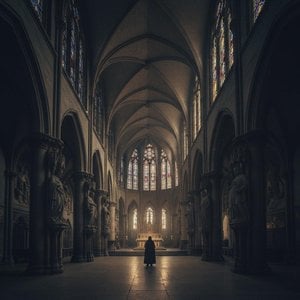
Embark on a journey through the dramatic era of Gothic art. Discover the profound beauty of illuminated manuscripts, sacred gold leaf masterpieces, and the transition to naturalism in this expert-led exploration of medieval artistry and historical grandeur.


 购买手绘画作
 分享
分享 分享
分享
 详情
详情

 下载
下载
 相似作品
相似作品 幻灯片播放
幻灯片播放


 展开详情
展开详情






































 玻璃选项仅适用于110厘米以下的尺寸。


