


x

从与原作比例一致的预设尺寸中进行选择。

您可以输入自定义尺寸,以适配特定的画框或空间。如果您选择的尺寸与原图比例不符,我们将对作品进行裁剪,或通过镜像填充/纯色填充边缘的方式来扩展图像。在开始制作之前,我们会向您发送一份数字效果图供您确认。
请注意,屏幕上的预览并不能反映实际的裁剪或扩展效果。只有效果图才能准确展示最终的构图。
虽然我们提供定制尺寸,但为了保持原图比例,我们建议您从预设列表中选择尺寸。

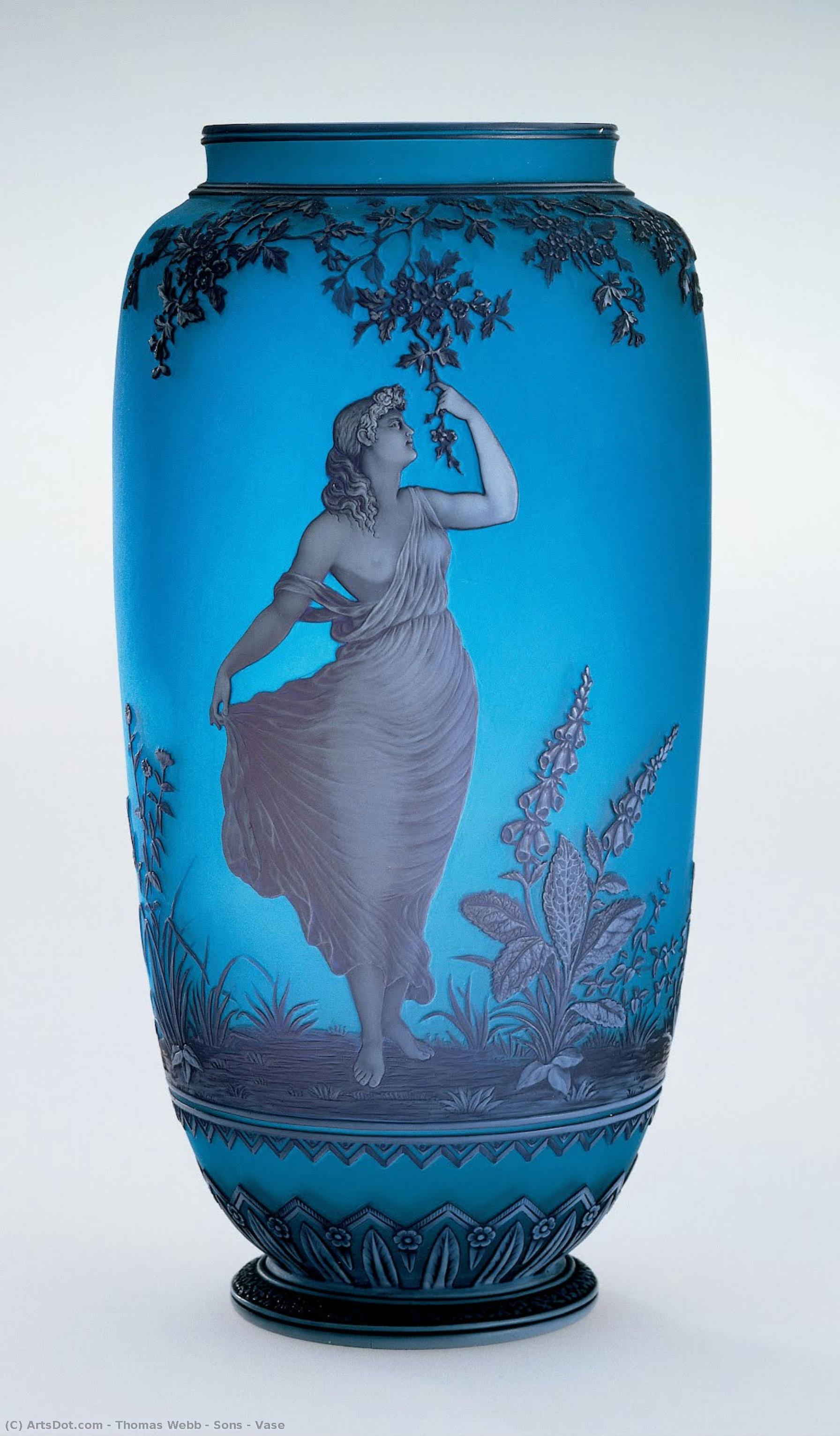
Vase
复制品尺寸
Born in 1776 in the serene Suffolk countryside, John Constable’s life was inextricably linked to the landscapes he so passionately depicted. His early years were shaped by his father's role as a corn merchant and owner of Flatford Mill, an environment that instilled within him a deep appreciation for the natural world and its subtle shifts. Unlike the traditional path laid out for him – a career in business – Constable’s heart belonged to the brush, driven by an innate desire to capture the essence of his surroundings with unprecedented honesty and feeling. This wasn't merely about replicating what he saw; it was about translating the very soul of Dedham Vale and its tributaries into paint.
Constable’s artistic journey began modestly, largely through self-taught observation and sketching in the fields surrounding his family’s estate. He meticulously studied the effects of light and shadow, experimenting with techniques to convey atmospheric depth and a sense of immediacy. Unlike many of his contemporaries who favored idealized or theatrical landscapes, Constable sought a more realistic portrayal, embracing imperfections and the transient qualities of nature. His early works, such as *Dedham Vale* (1821), are characterized by their luminous quality and remarkable attention to detail – capturing not just the visual appearance but also the feeling of being present within the scene.
Constable’s work firmly resides within the Romantic tradition, yet he forged his own distinct path. While influenced by artists like Turner and J.M.W. Turner, he rejected the overtly dramatic or sentimental approach often associated with the movement. Instead, he focused on capturing the quiet beauty of everyday landscapes – the rolling fields, meandering rivers, and humble villages of Suffolk. His paintings are imbued with a sense of intimacy and personal connection, reflecting his deep affection for his native county. This focus on the familiar, combined with his masterful use of light and color, distinguished him from many of his contemporaries.
Crucially, Constable’s approach was rooted in direct observation and emotional response. He famously declared, “I should paint my own places best,” emphasizing that painting was not simply a technical exercise but an expression of feeling. This sentiment is powerfully evident in *The Hay Wain* (1821), a quintessential depiction of rural life, where the scene feels both familiar and profoundly moving. The painting’s unassuming subject matter – a simple gathering of villagers by a stream – belies its profound emotional resonance.
Constable's technical innovations were as significant as his artistic vision. He pioneered the use of *plein air* painting—working directly from nature outdoors—a technique that allowed him to capture the fleeting effects of light and atmosphere with unparalleled accuracy. His loose, expressive brushstrokes created a sense of movement and immediacy, while his subtle gradations of color conveyed atmospheric depth and luminosity. Unlike many artists who worked in meticulously controlled studio environments, Constable embraced the spontaneity and unpredictability of outdoor painting.
He was also a master of capturing reflections on water – a skill that became central to his style. His meticulous observation of how light interacted with water surfaces resulted in remarkably realistic depictions of rivers, streams, and ponds. This ability to render the shimmering surface of water, combined with his atmospheric perspective, created a sense of depth and realism rarely achieved by his contemporaries.
Despite facing financial difficulties and initial skepticism from critics, Constable’s work gradually gained recognition during his lifetime. He was elected to the Royal Academy in 1824 at the age of 47, a significant achievement for an artist who had largely operated outside the established art world. His paintings became immensely popular, particularly in France, where they influenced the Barbizon School—a group of French landscape painters who championed *plein air* painting and sought to capture the essence of rural life.
Today, Constable’s landscapes are celebrated for their honesty, emotional depth, and technical brilliance. His paintings continue to resonate with viewers, offering a glimpse into the beauty and tranquility of the English countryside—a testament to his enduring legacy as one of Britain's greatest landscape artists. His work remains a cornerstone of the Romantic tradition, demonstrating the power of art to capture not just what we see but also how we feel about the world around us.

1837 - 1990 , United Kingdom


第一时间获取最新的艺术新闻、独家优惠及装饰灵感。
向我们介绍您的项目需求,我们的艺术专家将为您提供 3 个个性化的艺术品推荐。
由我们的专家为您精选 3 款心仪之作 —— 完全免费!
 定制手绘复刻品
 分享
分享 分享
分享
 详情
详情

 下载
下载
 相似作品
相似作品 X射线
X射线 幻灯片播放
幻灯片播放
 展开详情
展开详情






































 玻璃选项仅适用于110厘米以下的尺寸。


