x


 Baroque
 89.0 x 62.0 cm
从与原作比例一致的预设尺寸中进行选择。

您可以输入自定义尺寸,以适配特定的画框或空间。如果所选尺寸与原图比例不符,我们将通过裁剪作品或添加手绘元素来扩展画面。数字样稿将在制作开始前发送给您确认。
请注意,屏幕预览无法准确反映实际的裁剪或扩展效果,只有样稿才能真实呈现最终的构图。
虽然我们提供定制尺寸服务,但为了保留原作比例,建议您从预设列表中选择尺寸。

A Hawk Striking at a Heron
复制品尺寸

Thomas Stringer (1722-1790) remains a somewhat enigmatic figure in the annals of 18th-century British art, yet his captivating equine portraits and meticulously rendered landscapes offer a unique window into the world of aristocratic leisure and rural life. Born in Knutsford, Cheshire, a region steeped in gentry tradition, Stringer’s artistic journey was shaped by both innate talent and a series of influential encounters – from apprenticeship to patronage, and ultimately, a distinctive style that blended observation with a touch of whimsical invention.
Early life provided little indication of the artist he would become. He began as a servant in the household of Peter Legh, a prominent local landowner, an experience that instilled a keen eye for detail and a familiarity with the rhythms of rural existence. However, a falling out led to his departure, setting him on a path toward establishing himself as a professional painter. This early period undoubtedly honed his skills in capturing animal forms – a crucial element in his later success.
Stringer’s career truly blossomed during the mid-18th century, coinciding with a surge in demand for portraits of horses and their riders. The aristocratic pursuit of hunting and equestrian sport fueled this trend, creating a lucrative market for artists capable of depicting these subjects with grace and accuracy. Stringer quickly gained recognition for his ability to capture not just the physical appearance of the animals but also their spirit and movement. His paintings weren’t merely representations; they conveyed a sense of dynamism and connection between horse and rider.
His commissions came primarily from wealthy landowners in Cheshire and beyond – families like the Brooke, Heron, and Smith-Barry, all prominent figures within the region's social and economic landscape. These patrons sought portraits that reflected their status and celebrated their sporting pursuits. Stringer’s work became synonymous with this aristocratic ideal, showcasing a refined aesthetic and an appreciation for the beauty of the countryside.
Stringer's artistic style is immediately recognizable, characterized by a unique blend of observation and illusionistic technique. He possessed a remarkable ability to render details with precision – from the texture of horsehair to the folds in a rider’s clothing – yet he frequently employed techniques that subtly altered the viewer’s perception of space. A common feature of his paintings is the tendency to “disappear” elements into the background, creating an impression of depth and movement. This technique, often described as a form of visual trickery, adds a layer of complexity and intrigue to his compositions.
His use of color was also notable – favoring muted tones and earthy hues that evoked the natural world. He skillfully employed light and shadow to create a sense of atmosphere and drama, further enhancing the realism of his subjects. The signature element of many of his works is the nonchalant crossing of the sitter’s legs, a detail that adds a touch of informality and personality to the portraits.
Among Stringer's most celebrated paintings are “Beauty, a dapple grey,” a captivating portrait of a young mare, and "A gentleman with his hounds in an extensive landscape," which offers a glimpse into the aristocratic pursuit of hunting. “View, Supposedly of Poynton Hall, Cheshire” is another significant work, showcasing Stringer’s ability to capture the beauty of the English countryside.
Despite his prolific output and considerable reputation during his lifetime, Stringer faded from public view after his death in 1790. For many years, his work was largely overlooked, overshadowed by more prominent artists of the era. However, in recent decades, a renewed interest in 18th-century British art has led to a reassessment of Stringer’s contribution – recognizing him as a skilled and imaginative painter who deserves greater recognition for his unique artistic vision. His paintings continue to be exhibited and studied, offering valuable insights into the social and cultural life of Georgian England.
For further information on Thomas Stringer, consider exploring these resources:

1722 - 1790

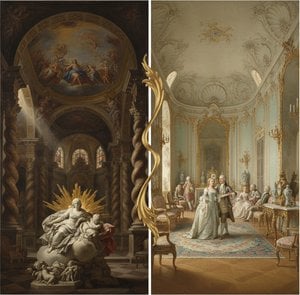
Explore the dramatic evolution from Baroque's intense chiaroscuro to Rococo's golden elegance. Our expert guide decodes the shift from high-drama shadows to playful, ornate grace for art enthusiasts and collectors seeking deep historical insight.

Explore the profound differences between Baroque drama and Rococo elegance. Our expert guide delves into art history, chiaroscuro, and the evolution of European masterpieces for collectors and enthusiasts seeking deep historical context.
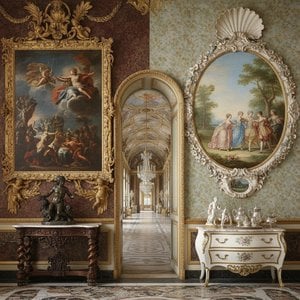
Embark on a cultural journey through the dramatic grandeur of Baroque and the delicate grace of Rococo art. Discover the history, techniques, and timeless beauty of these magnificent eras with our expert-led exploration of European masterpieces.

探索洛可可艺术的辉煌!本文精选十幅名作,从华丽色彩到精致细节,揭秘法国洛可可风格的魅力。跟随大师们的足迹,感受艺术史上的优雅与浪漫。WahooArt.com为您提供博物馆品质的艺术复制品和个性化家居装饰方案。尽在WahooArt.com!


第一时间获取最新的艺术新闻、独家优惠及装饰灵感。
向我们介绍您的项目需求,我们的艺术专家将为您提供 3 个个性化的艺术品推荐。
由我们的专家为您精选 3 款心仪之作 —— 完全免费!


 效果预览
效果预览
 购买印刷品
购买印刷品 分享
分享 分享
分享
 详情
详情

 下载
下载
 相似作品
相似作品 X射线
X射线 幻灯片播放
幻灯片播放 展开详情
展开详情






































 玻璃选项仅适用于110厘米以下的尺寸。