
 Acrylic On CanvasWallArtVictorian Portraiture
 184119th Century
 Royal College of Physicians of London
博物馆级艺术微喷或帆布版画,制作高效,并提供多种饰面选择。 ( 订购此收藏品的纯手工复刻画作 切换至数字图像销售渠道)





























您可以从与原作比例一致的预设尺寸中进行选择。

请输入您所需的宽度和高度,以适配您的画框或墙面。由于印刷品只能进行裁剪,无法超出原图尺寸,因此若比例不一致,画面的一部分将会被裁切。在正式印刷之前,我们会为您发送一份数字效果图供您确认。本页面显示的图片并非最终裁剪后的效果——只有效果图才能展示真实的裁剪情况。
James Hope
复刻品尺寸说明
Thomas Phillips’s “James Hope,” painted in 1841, is more than simply a likeness; it's a carefully constructed tableau of Victorian intellect and restrained emotion. The portrait captures James Hope (1801-1841), a prominent English physician and cardiologist, not as a flamboyant figure, but as a man deeply engaged with the complexities of his profession and the world around him. Phillips, a master of the British portrait style, eschews dramatic gestures or overtly expressive features, instead favoring a subtle yet profound exploration of Hope’s inner life.
The painting's composition is remarkably restrained. Hope sits in a simple, dark-toned chair, his gaze fixed directly on the viewer – an act of directness that immediately establishes a connection. His hands, resting calmly on his lap, are rendered with meticulous detail, hinting at both intellectual prowess and a quiet dignity. The background is deliberately muted, almost entirely devoid of distraction, drawing all attention to the subject himself. This deliberate lack of ornamentation speaks volumes about Phillips’s approach: he believed that true character resided not in outward display but in the subtle nuances of expression and demeanor.
Phillips was a key figure in the development of Victorian portraiture, a style characterized by its realism, psychological depth, and often, a sense of moral seriousness. He inherited much from his mentor, Benjamin West, but he developed a distinctive approach that prioritized capturing the inner life of his subjects. Unlike earlier portraits which frequently emphasized wealth or social status, Phillips sought to reveal something deeper about the individual’s character – their intellect, their values, and perhaps even their anxieties.
The painting's palette is deliberately subdued, dominated by dark browns, grays, and greens. This somber coloration contributes to the overall sense of introspection and gravitas. The use of light is equally strategic; it highlights Hope’s face and hands, drawing the viewer’s eye to these points of focus while leaving the rest of the composition in shadow. This chiaroscuro effect – the dramatic contrast between light and dark – was a hallmark of Phillips's technique and creates a powerful sense of depth and atmosphere.
“James Hope” must be viewed within the context of 19th-century British society, a period marked by rapid scientific advancement, social reform, and a growing emphasis on education and intellectual pursuits. Hope’s profession as a physician reflected this era's burgeoning interest in science and medicine, and his portrait serves as a testament to the rising status of the medical profession. The serious expression on Hope’s face suggests a man deeply committed to his work, burdened perhaps by the responsibility of caring for others.
Furthermore, the painting can be interpreted through the lens of Victorian moral philosophy. The restrained demeanor and thoughtful gaze reflect the Victorian ideal of self-control and intellectual rigor. Phillips was known for portraying subjects who embodied these values, suggesting that true virtue lay in cultivating one’s mind and resisting impulsive desires.
“James Hope” remains a compelling example of Victorian portraiture's ability to capture the complexities of human character. Phillips’s masterful use of light, color, and composition creates an image that is both visually striking and psychologically profound. It’s not merely a representation of a man; it’s a window into his soul – a testament to the enduring power of art to reveal the hidden depths of the human experience. Reproductions of this work offer a valuable opportunity to appreciate Phillips's skill and gain insight into the intellectual currents of Victorian England.
托马斯·菲利普斯 的《James Hope》 的推荐搭配:在 Living Room 中悬挂尺寸为 Medium 的版画。
《托马斯·菲利普斯 的《James Hope》》所传达的意境为Elegant,其情感基调为Melancholic。
通过兼容设备访问 托马斯·菲利普斯 的《James Hope》 的 AR 预览 页面,即可利用增强现实技术将艺术品呈现在您自己的空间中。


1770 - 1845 , 英国

Explore the life & work of Thomas Cantrell Dugdale, a renowned Victorian portraitist and war artist. Discover his captivating paintings, textile designs, and lasting impact on British art history. Learn more at WahooArt.

Explore the life & art of James Sant (1820-1916), renowned Victorian portraitist to Queen Victoria. Discover his captivating depictions of childhood, landscapes, and aristocratic society. Learn about his legacy & find fine art reproductions.

Explore the life & work of Thomas Phillips (1770-1845), a leading Victorian portrait painter renowned for his captivating portrayals of Britain's 'men of genius'. Discover his artistic journey, patronage, and lasting legacy.

探索詹姆斯·惠斯勒25幅杰作!深入了解夜曲、静谧和谐等经典油画背后的故事与艺术魅力。WahooArt.com提供博物馆级复制品,为您的家居带来永恒之美。立即在线探索完整系列!
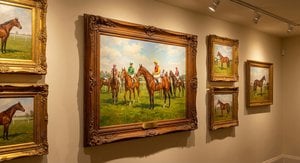
Explore 25 iconic Sir Alfred Munnings paintings! Discover the beauty of British Impressionism, equine art & rural England. Find museum-quality reproductions and elevate your home decor with WahooArt. Explore the full collection online.


 实景预览
实景预览
 发送
发送 分享
分享
 详情
详情 指南
指南

 下载图片
下载图片
 相似作品
相似作品 X射线
X射线 幻灯片播放
幻灯片播放 统计数据
统计数据 阅读全文
阅读全文









 玻璃选项仅适用于110厘米以下的尺寸。


