
 1961
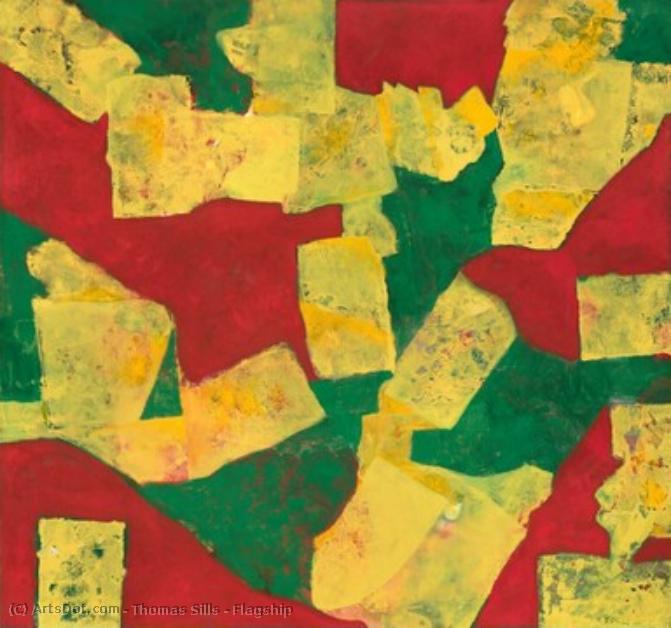
1961 168.0 x 178.0 cm
博物馆级艺术微喷或帆布版画,制作高效,并提供多种饰面选择。 ( 购买手绘画作 切换至数字图像销售渠道)
从与原作比例一致的预设尺寸中进行选择。

您可以输入自定义尺寸,以适配特定的画框或空间。如果您选择的尺寸与原图比例不符,我们将对作品进行裁剪,或通过镜像填充/纯色填充边缘的方式来扩展图像。在开始制作之前,我们会向您发送一份数字效果图供您确认。
请注意,屏幕上的预览并不能反映实际的裁剪或扩展效果。只有效果图才能准确展示最终的构图。
虽然我们提供定制尺寸,但为了保持原图比例,我们建议您从预设列表中选择尺寸。

Flagship
复制品尺寸
Born in Castalia, North Carolina, in 1914 to a family of eleven, Thomas Albert Sills’s early life was shaped by the rhythms of rural Southern agriculture. This experience—the vibrant hues of the natural world, the textures of earth and plant life—would profoundly influence his artistic vision later in life. Moving to Brooklyn at the age of 11 to live with one of his brothers, he began a journey that would ultimately lead him to become a significant figure in the New York Abstract Expressionist movement. Initially working as a doorman and laborer, Sills’s path toward art was forged through exposure to color – specifically, the rich tones of a greenhouse where he worked as a boy. This early immersion laid the groundwork for his later exploration of color fields and dynamic compositions.
Sills’s formal artistic training began relatively late in life, around 1952, coinciding with his marriage to Jeanne Reynal, a mosaic artist and collector. Reynal's sophisticated circle introduced Sills to the works of European avant-garde artists like Max Ernst and Marcel Duchamp, profoundly impacting his approach to composition and material experimentation. He quickly moved beyond traditional painting techniques, embracing collage—incorporating found objects, nails, dirt, and other unconventional materials into his canvases. This innovative use of texture and surface created a dynamic interplay between the painted image and its surrounding elements.
Sills quickly established himself within the vibrant artistic community of 1950s and 60s New York. He became associated with key figures like Willem de Kooning, Barnett Newman, Mark Rothko, and Elaine de Kooning, engaging in intellectual discussions and exchanging ideas about art. His studio became a gathering place for these influential artists, fostering a dynamic exchange of creative energy. He was particularly influenced by the writings of John D. Graham, whose theories on art emphasized intuitive expression over rigid rules.
Sills’s mature style is characterized by bold color fields, dynamic compositions, and the incorporation of collage elements. His paintings often evoke a sense of movement and energy, achieved through layering colors and textures. He moved away from representational imagery, focusing instead on exploring the expressive potential of color and form. His work stands as a testament to his commitment to personal expression and his willingness to challenge conventional artistic boundaries. Sills’s contributions to Abstract Expressionism are significant, particularly for his innovative use of collage and his exploration of color as a primary means of communication. His paintings are held in prestigious collections across the United States, including the Museum of Modern Art, the Whitney Museum of American Art, and the Metropolitan Museum of Art, solidifying his place as a key figure in 20th-century art.
Thomas Sills’s journey as an African-American artist navigating the predominantly white world of Abstract Expressionism is a compelling story of resilience and artistic vision. He resisted categorization, famously stating, “If somebody told me that I had to paint this way or that I had to do that…I wouldn’t want it. . . . You like it or you don’t like it, but I am doing what I want.” Despite facing systemic barriers, Sills persevered, creating a body of work that reflects his unique perspective and artistic sensibility. His story highlights the importance of recognizing and celebrating the contributions of Black artists within the broader art historical narrative.
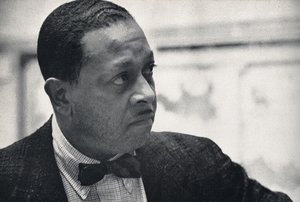
1914 - 2000 , United States of America

 效果预览
效果预览
 分享
分享 分享
分享
 详情
详情

 下载
下载
 相似作品
相似作品 X射线
X射线 幻灯片播放
幻灯片播放 统计数据
统计数据 展开详情
展开详情






































 玻璃选项仅适用于110厘米以下的尺寸。


