
博物馆级艺术微喷或帆布版画,制作高效,并提供多种饰面选择。 ( 购买手绘画作 切换至数字图像销售渠道)





























从与原作比例一致的预设尺寸中进行选择。

您可以输入自定义尺寸,以适配特定的画框或空间。如果您选择的尺寸与原图比例不符,我们将对作品进行裁剪,或通过镜像填充/纯色填充边缘的方式来扩展图像。在开始制作之前,我们会向您发送一份数字效果图供您确认。
请注意,屏幕上的预览并不能反映实际的裁剪或扩展效果。只有效果图才能准确展示最终的构图。
虽然我们提供定制尺寸,但为了保持原图比例,我们建议您从预设列表中选择尺寸。

Astronomical Compendium
复制品尺寸
In the quiet halls of the Naval Museum in Madrid, there exists a window into the sixteenth century that transcends mere craftsmanship, offering instead a profound meditation on man's relationship with the cosmos. Thobias Volckmer the Elder, a master whose name resonates with the precision of a mathematician and the soul of an artist, captured in 1596 a breathtaking Astronomical Compendium. This work is not merely a depiction of objects; it is a visual symphony of discovery. The painting presents two magnificent gold-colored boxes, their surfaces etched with such intricate detail that one can almost feel the weight of the precious metal and the delicate texture of the engravings. Through a masterful use of light and shadow, Volcklar invites us to peer into an era where science and art were inextricably linked, bound together by the shared pursuit of understanding the heavens.
The composition is anchored by a captivating duality. To the left, a clock rests within its gilded housing, its presence serving as a rhythmic heartbeat for the piece—a reminder of the relentless passage of time that governs both human life and planetary motion. Opposite this temporal anchor, occupying much of the right side of the frame, sits a celestial globe. This sphere, rendered with an almost tactile realism, represents the vastness of the known universe brought down to a scale that can be held in one's hands. The interplay between the clock and the globe creates a powerful symbolic dialogue: the measurement of time against the mapping of space, the finite human experience set against the infinite expanse of the stars.
Technically, the painting is a triumph of late Renaissance precision. Volckmer utilizes a rich, luminous palette that emphasizes the brilliance of the gold, making the instruments appear to glow from within. The artist’s ability to render reflections and the subtle gradations of light on metallic surfaces demonstrates a sophisticated command of texture. For the discerning collector or interior designer, this piece offers more than just aesthetic beauty; it provides a focal point of intellectual depth. The meticulous detail found in the engravings suggests a level of devotion to accuracy that was essential for the navigators and astronomers of the age.
Beyond its historical significance, the Astronomical Compendium possesses an emotional resonance that is both grounding and aspirational. It evokes a sense of wonder, transporting the viewer to an age of exploration when every new measurement of the stars was a leap into the unknown. As a reproduction, this artwork serves as a sophisticated addition to any curated space, whether it be a private library, a study, or a grand salon. It brings with it an atmosphere of scholarly elegance and timeless curiosity, making it an ideal choice for those who wish to surround themselves with pieces that celebrate the enduring human spirit of inquiry and the breathtaking beauty of our universe.


1560 - 1625 , Germany
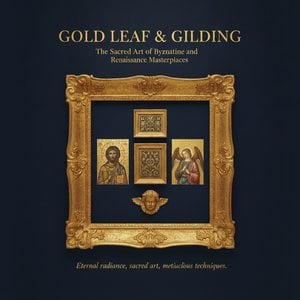
Explore the divine mastery of Byzantine gold leaf and gilding. Discover how ancient artisans used gold ground and mosaics to create celestial light, a timeless legacy of spiritual splendor and technical excellence in sacred art history.

Embark on a visual journey through the world's most radiant masterpieces. Discover how gold leaf, impasto textures, and gilded tones define luxury in fine art, from Byzantine icons to modern abstracts. Explore the eternal allure of gold in curated, museum-quality art collections.
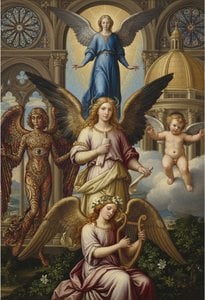
Explore the profound beauty of angelic figures in art history. From Renaissance masterpieces to celestial symbolism, our expert guide offers a sophisticated journey through the divine imagery of the Old Masters for discerning collectors and art enthusiasts.

Elevate your hospitality projects with our expert trend forecast on luxury murals. From biophilic botanical jungles to opulent gold leaf geometry, discover how bespoke large-scale wall art and custom frescoes can transform hotel interiors into unforgettable architectural statements.
Explore the exquisite elegance of International Gothic art. Discover the mastery of illuminated manuscripts, the brilliance of gold leaf, and the legacy of the Limbourg Brothers in this expert guide to Europe's sophisticated medieval dawn.


 效果预览
效果预览
 分享
分享 分享
分享
 详情
详情

 下载
下载
 相似作品
相似作品 X射线
X射线 幻灯片播放
幻灯片播放 统计数据
统计数据

 展开详情
展开详情









 玻璃选项仅适用于110厘米以下的尺寸。


