


从与原作比例一致的预设尺寸中进行选择。

您可以输入自定义尺寸,以适配特定的画框或空间。如果您选择的尺寸与原图比例不符,我们将对作品进行裁剪,或通过镜像填充/纯色填充边缘的方式来扩展图像。在开始制作之前,我们会向您发送一份数字效果图供您确认。
请注意,屏幕上的预览并不能反映实际的裁剪或扩展效果。只有效果图才能准确展示最终的构图。
虽然我们提供定制尺寸,但为了保持原图比例,我们建议您从预设列表中选择尺寸。

World War I
复制品尺寸
This powerful lithograph, created by Swiss-French artist Théophile Alexandre Steinlen around 1914-1918, serves as a poignant plea for aid during World War I. The poster's primary purpose was to galvanize support in the United States for Serbia, a nation facing immense hardship due to the ongoing conflict. The text "SAVE SERBIA OUR ALLY" and the address of the Serbian Relief Committee of America (70 Fifth Avenue, New York) clearly indicate its function as a fundraising tool aimed at providing humanitarian assistance.
Steinlen’s work is readily identifiable by his distinctive Art Nouveau style. This piece exemplifies this aesthetic through its emphasis on flowing lines, simplified forms, and expressive character depictions. Rather than focusing on realistic color representation, Steinlen utilizes a limited palette and strong contrasts to convey emotion and urgency. The lithographic technique itself—a process involving transferring ink from stone or metal to paper—allowed for mass production, ensuring the poster’s widespread dissemination and impact. His earlier work with posters for Le Chat Noir demonstrates his mastery of this medium.
The central figure in the lithograph is a soldier, likely representing the Serbian army given the context of the poster's message. His posture and expression convey a sense of determination amidst adversity. Surrounding him are figures who appear distressed or in need, symbolizing the civilian population suffering as a result of the war. The dark sky looming overhead contributes to the somber mood, reflecting the gravity of the situation. The foliage at the top hints at a connection to the Serbian landscape, further grounding the image in its specific context. Steinlen’s choice to depict these figures with such detail—particularly their facial expressions—amplifies the emotional impact and encourages empathy from the viewer.
“World War I” is more than just a poster; it's a testament to the international solidarity and humanitarian efforts that arose in response to the devastation of World War I. Steinlen’s ability to capture the plight of Serbia and its allies with such clarity and emotional resonance makes this piece a significant historical artifact. It serves as a reminder of the human cost of war and the importance of compassion and support during times of crisis. As noted by scholars like Magdalyn Asimakis, Steinlen's work often reflected socialist ideals and a deep concern for the working class, further enriching the meaning behind this powerful image.

提奥菲尔·亚历山大·斯坦林绝不仅仅是一位插画家;他是美好年代(Belle Époque)的视觉诗人,他的画笔与石版创作捕捉到了巴黎跳动的脉搏。1859年出生于瑞士洛桑,他从瑞士青年时代宁静的风景走向蒙马特烟雾缭绕、充满活力的夜总会的旅程,是一段典型的艺术天命之书。早年的岁月里,他在穆卢斯的纺织厂工作中磨炼了严谨的设计功底,这段实践性的学徒经历赋予了他细致入微的精准度以及对图案敏锐的洞察力,这后来成为了他标志性海报作品的灵魂所在。然而,前卫艺术的召唤是无法抗拒的,它引领他走向法国波希米亚文化的中心,并最终让他将自己的生命编织进巴黎文化的肌理之中。
抵达巴黎后,斯坦林发现自己沉浸在一种创造力的旋风之中。受传奇艺术圈《黑猫》(Le Chat Noir)的影响,他在那个时代的艺术名流中穿梭,与阿道夫·威莱特和弗朗索瓦·博西翁等人物建立了深厚的联系。正是在这种激进实验的氛围中,他的风格开始凝聚成型。他拥有一种独特的能力,能够将新艺术运动(Art Nouveau)那细腻、流动的线条与一种粗犷且富有同理心的现实主义完美融合。当许多同时代艺术家仅仅专注于空灵或贵族题材时,斯坦林却将目光转向了街道,在那些被忽视的角落里发现了深邃的美:街头艺人、劳动阶层以及这座城市的深夜漫游者。
斯坦林的技艺成就通过他在版画和石版画领域的卓越掌控得到了最生动的展现。或许比他那个时代的任何艺术家都更深刻地理解,海报作为一种大众传播媒介和公众情感载体所蕴含的力量。他为阿里斯蒂德·布鲁昂传奇夜总会制作的作品,将广告转化为了高雅艺术,利用大胆的剪影和强烈的色彩组合,吸引着巴黎大道上每一位行人的目光。这些作品不仅仅是广告;它们是通往一种充满反叛、浪漫与律动生命力的生活方式的窗口。
除了海报所具有的商业魅力,斯坦林的作品集还以题材的极度多样性为特征:
提奥菲尔·斯坦林的艺术史意义在于他能够架起纯艺术与流行文化之间的桥梁。他将街头海报这种转瞬即逝的媒介提升到了足以进入博物馆的杰作地位,确保了美好年代的精神在那个时代消逝后仍能长久留存。他的作品至今仍是理解从19世纪浪漫主义向20世纪现代图形感官过渡的重要基石。
即便在今天,我们依然能在设计与情感交汇的方式中感受到斯坦林的影响。他教会了我们,艺术并不只存在于金碧辉煌的画廊中,它生活在街道上,生活在夜总会的阴影里,也生活在流浪猫静谧的凝视中。通过其丰硕的创作成果,他留下了一份持续散发魅力的视觉遗产,提醒着我们那个巴黎曾是无可争议的艺术宇宙中心、每一根线条都能诉说人类情感连接与城市魔法的时代。

1859 - 1923 , 瑞士

Discover the exquisite world of Art Nouveau. Explore the elegant fusion of nature and design through architectural masterpieces, organic forms, and the legendary masters of the Belle Époque. Immerse yourself in a journey of timeless sophistication and ornamental beauty.

Discover the enchanting world of Art Nouveau. Explore the flowing lines of Alphonse Mucha and learn how to integrate these timeless, organic masterpieces into your collection with expert guidance on fine art appreciation and preservation.

探索 WahooArt.com 高品质艺术海报打印服务。我们专注于博物馆级色彩还原与精准的尺寸定制,为精英收藏家与室内设计师提供理想的装饰方案。凭借二十余年的专业工艺、全球免费配送及100%满意保证,让每一件精美艺术品都能完美融入您的私人空间,成就卓越审美格调。

Discover why elite collectors choose WahooArt.com. Learn the profound difference between mass-produced posters and our museum-quality, hand-painted oil reproductions and archival Giclées, crafted by master artists for unparalleled texture, depth, and lasting prestige.
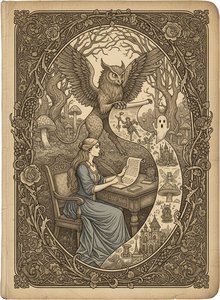
Explore the enchanting world of Victorian illustration. Discover the intricate details, romantic narratives, and historical significance of this golden age of art through our expert-led guide for fine art enthusiasts and collectors.


 效果预览
效果预览
 购买手绘画作
 分享
分享 分享
分享
 详情
详情

 下载
下载
 相似作品
相似作品 X射线
X射线 幻灯片播放
幻灯片播放
 展开详情
展开详情






































 玻璃选项仅适用于110厘米以下的尺寸。


