
博物馆级艺术微喷或帆布版画,制作高效,并提供多种饰面选择。 ( 订购此收藏品的纯手工复刻画作 切换至数字图像销售渠道)





























您可以从与原作比例一致的预设尺寸中进行选择。

请输入您所需的宽度和高度,以适配您的画框或墙面。由于印刷品只能进行裁剪,无法超出原图尺寸,因此若比例不一致,画面的一部分将会被裁切。在正式印刷之前,我们会为您发送一份数字效果图供您确认。本页面显示的图片并非最终裁剪后的效果——只有效果图才能展示真实的裁剪情况。
Giverny
复刻品尺寸说明
Theodore Robinson's “Giverny,” painted in 1888, isn’t merely a landscape; it’s a distilled moment of profound serenity captured with the delicate brushstrokes characteristic of American Impressionism. Born in Vermont and deeply influenced by European artistic traditions – particularly the luminist painters who championed the effects of light – Robinson sought to translate his observations of nature into a uniquely American visual language. This particular canvas, rendered in oil on canvas, transports us to a quiet corner of rural France, a place where the boundaries between reality and dream seem to blur. The scene unfolds within a verdant valley, dominated by a modest farmhouse nestled amongst rolling hills, its simple form offering a grounding presence amidst the ethereal light.
Robinson’s artistic journey was marked by a pivotal relocation to Giverny in 1887, a village already renowned for its connection to Claude Monet. This immersion into the heart of Impressionism profoundly shaped Robinson's style. He wasn’t simply copying Monet; he was absorbing and reinterpreting his mentor’s techniques, adapting them to his own sensibility and incorporating elements of his native American landscape. The painting reflects this synthesis – a harmonious blend of French luminosity and distinctly American spatial awareness.
Close examination reveals Robinson's masterful command of light and color. He employs broken brushstrokes, layering thin washes of paint to create an atmospheric effect that mimics the shifting qualities of sunlight filtering through foliage. The dappled shadows dance across the fields and hillsides, while highlights shimmer on the weathered stone walls of the farmhouse. Notice how he captures the fleeting effects of time – a subtle sense of warmth suggesting late afternoon, hinting at the promise of twilight. The composition is carefully balanced, drawing the eye towards the distant horizon where the sky merges seamlessly with the landscape.
Beyond its purely aesthetic qualities, “Giverny” resonates with deeper symbolic meaning. The humble farmhouse represents the virtues of simplicity and connection to the land – values deeply rooted in the American ethos. Robinson’s choice to depict a rural scene speaks to his desire to capture the essence of the American experience, translating the beauty of nature into a visual language that reflects his own identity. The painting can be interpreted as an ode to the restorative power of nature and the quiet dignity of rural life.
Furthermore, the painting’s connection to Giverny—a place already associated with artistic innovation—underscores Robinson's role as a pioneer in American Impressionism. He wasn’t merely replicating European trends; he was forging his own path, establishing a distinct voice within the burgeoning American art scene.
Reproductions of “Giverny” offer a remarkable opportunity to experience Robinson's luminous vision firsthand. Whether displayed in a grand salon or a cozy study, this painting evokes feelings of tranquility, nostalgia, and connection to the natural world. Its timeless appeal lies not only in its technical brilliance but also in its ability to transport us to a place of profound beauty and serenity. Consider framing your reproduction within a warm, neutral color palette to best complement the painting’s delicate hues, allowing Robinson's masterful use of light to truly shine.
西奥多·罗宾逊,这个名字或许不如莫奈或雷诺阿那样广为人知,但他却在美国艺术史中占据着举足轻重的地位。1852年出生于美国佛蒙特州的乡村,他的人生是一段执着的艺术追寻之旅,最终将欧洲印象派与独特的美国气质完美融合。尽管他英年早逝,年仅四十四岁,但他的遗产却深刻地影响了一代美国画家,成为将法国那迷人的光影和色彩带到新大陆的关键人物。罗宾逊的早期生活充满了变动;三岁时全家搬到了威斯康星州,1874年前往纽约市学习艺术,并在国家设计学院和艺术学生联盟接受了传统的绘画训练,为他日后在海外获得的经验奠定了坚实的基础。这段求学时期也伴随着现实的压力;罗宾逊经常通过教学来补贴生计,但由于长期患有哮喘,这项工作让他倍感疲惫。
罗宾逊最初的艺术倾向偏向于现实主义,反映了当时流行的审美趣味。他喜欢描绘宁静的家庭生活和农业场景,细致入微地刻画人物日常活动中的细节。然而,1884年,他前往法国进行了一次长期的旅行,这成为了他艺术生涯的一个转折点。他定居在吉维尼,与克劳德·莫奈结下了深厚的友谊,并亲身体验了印象派的精髓。这不仅仅是风格上的模仿,而是对光线、色彩和氛围捕捉方式的一次彻底革新。莫奈的指导对他帮助巨大,鼓励罗宾逊拥抱一种更加自发的创作方法,专注于捕捉瞬息万变的光影效果,而非精确的再现。这种影响在他的作品中显而易见,例如《吉维尼1》、《吉维尼2》和《吉维尼3》,阳光透过树木洒落,营造出一种超越单纯描绘的空灵意境。他并非简单地复制莫奈,而是通过自己的美国视角来过滤印象派的美学,保留了一种结构感和形式感,使他的作品与法国同行的风格有所区别。
罗宾逊的意义不仅仅在于他个人的绘画作品;他还是一位重要的纽带,连接着欧洲前卫艺术与新兴的美国艺术界。他在吉维尼的位置使他成为了一个美国艺术家群体的中心人物,能够将他新获得的知识和热情与同行的画家分享,例如朱利安·奥尔登·韦尔和约翰·亨利·特瓦奇曼。他成为印象派的热情倡导者,不遗余力地向那些寻求指导的人展示其技巧和原理。这在当时美国艺术界仍然以学院派传统为主导的时期尤为重要。他的影响显而易见于许多访问吉维尼的艺术家的作品中,帮助建立了一种既借鉴法国创新又具有独特美国风格的美国印象派流派。他带回来的不仅仅是技巧,更是一种看待和回应周围世界的方式。
1892年回到美国后,罗宾逊试图将他的印象派 vision 应用于祖国的风景画创作中。他在康涅狄格州科斯考布与韦尔和特瓦奇曼一起工作,这是一个繁荣的艺术群体,并在纽约州运河沿岸绘画,最终定居在佛蒙特州,希望在家乡重现吉维尼般的环境。然而,他的健康状况持续恶化,经济困难也日益加剧。他最后的几年充满了孤独和挣扎,最终于1896年去世。讽刺的是,许多他的画作在他生前未能售出,直到去世后才逐渐获得认可。今天,西奥多·罗宾逊的作品被各大博物馆收藏,包括大都会艺术博物馆,这证明了他的持久艺术价值。他保存完好的日记,保存在弗里克艺术参考图书馆中,为我们提供了关于他的创作过程和思想生活的宝贵见解。
西奥多·罗宾逊对美国艺术的贡献不仅在于他绘画作品的美丽,还在于他在变革中的作用。他是文化之间的桥梁,是一位充满激情的创新倡导者,也是一位塑造了美国印象派进程的天才艺术家。他的作品体现了一种观察与诠释、现实主义与抽象、欧洲影响和美国身份之间微妙的平衡。他证明了拥抱印象派的激进创新并不意味着牺牲一个人的艺术声音或文化遗产是可能的。他的画作继续以其明亮的光质和生动的氛围吸引着观众,提醒我们艺术具有改变我们对周围世界感知的力量。《I》罗宾逊的遗产证明了光、色彩和追求艺术真理的永恒魅力。《I》

1852 - 1896 , 美国
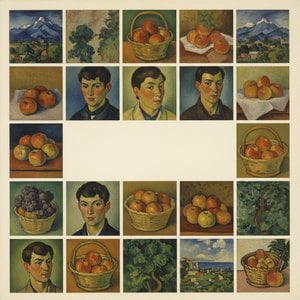
探索保罗·塞尚25幅经典杰作!深入了解后印象派大师的艺术生涯、独特技法与色彩运用。WahooArt提供高清油画复制品,为您的家居带来博物馆级艺术体验。立即发现更多名画,点亮生活空间!

Explore the rich history of landscape art with WahooArt. Discover renowned artists, movements like Impressionism & Romanticism, and expert guidance for collecting timeless pieces. Find your perfect serene escape today!
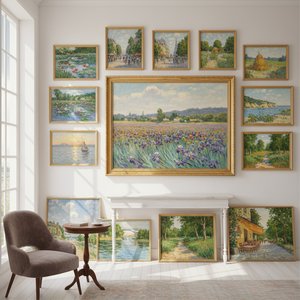
探索印象派风景画的十部经典巨作!从莫奈到雷诺阿,揭秘大师们的技法与灵感。WahooArt.com为您呈现高清油画复制和精选艺术品,点亮您的家居空间。立即发现更多艺术珍宝!

Explore the rich history of trees in painting! Discover symbolism, Romantic masterpieces by Caspar David Friedrich & beyond. A curated journey for art enthusiasts.

Explore the rich history of landscape art with WahooArt. Discover renowned artists, movements like Impressionism & tonalism, and expert guidance for collecting timeless pieces. Find your perfect serene escape today!


 实景预览
实景预览
 发送
发送 分享
分享
 详情
详情 指南
指南

 下载图片
下载图片
 相似作品
相似作品 X射线
X射线 幻灯片播放
幻灯片播放 统计数据
统计数据


 阅读全文
阅读全文









 玻璃选项仅适用于110厘米以下的尺寸。


