
 Acrylic On CanvasWallArtModernism
 1924
1924 57.0 x 90.0 cm
 Pinacoteca do Estado de São Paulo
博物馆级艺术微喷或帆布版画,制作高效,并提供多种饰面选择。 ( 订购纯手工绘制画作 切换至数字图像销售渠道)





























您可以从与原作比例一致的预设尺寸中进行选择。

请输入您所需的宽度和高度,以适配您的画框或墙面。由于印刷品只能进行裁剪,无法超出原图尺寸,因此若比例不一致,画面的一部分将会被裁切。在正式印刷之前,我们会为您发送一份数字效果图供您确认。本页面显示的图片并非最终裁剪后的效果——只有效果图才能展示真实的裁剪情况。
São Paulo
复刻品尺寸
Tarsila do Amaral's "São Paulo," painted in 1924, isn't merely a depiction of a city; it’s a vibrant distillation of a nation’s burgeoning identity and a bold declaration of modernism. Emerging from the fertile ground of early 20th-century Brazil, this oil on canvas transports us to a São Paulo undergoing rapid transformation – a metropolis embracing progress while simultaneously retaining echoes of its rural past. The painting captures a pivotal moment in Brazilian art history, a time when artists sought to forge a distinctly national style, free from the constraints of European artistic traditions.
The scene unfolds with an arresting immediacy. A train, a symbol of industrial advancement and connectivity, races across the foreground, its movement suggesting a relentless drive forward. Beneath it, the sprawling Vale do Anhangabaú stretches out, punctuated by the geometric forms of buildings – a mix of colonial facades and nascent skyscrapers hinting at the city’s dual nature. The absence of human figures is deliberate; Amaral isn't interested in portraying individuals but rather in capturing the *essence* of São Paulo—its energy, its dynamism, and its spirit of ambition. Instead, we are presented with a carefully constructed landscape, imbued with symbolic weight.
Amaral’s technique is characterized by a masterful blend of influences – Cubist fragmentation, Brazilian folk art motifs, and the vibrant palette of Fauvism. The buildings are rendered in simplified geometric shapes, their forms subtly distorted to convey movement and depth. Bold swathes of color—a rich ochre for the earth, deep blues and greens for the sky—create a sense of heightened intensity. The use of contrasting colors – the bright yellow of the train against the muted tones of the buildings – draws the eye and establishes a dynamic visual rhythm.
Beyond its formal qualities, "São Paulo" is rich in symbolic meaning. The train represents not just transportation but also the relentless march of progress—a key theme in Brazilian identity at the time. The presence of a car on the right side further reinforces this idea of modernity. However, the painting isn’t simply an endorsement of industrialization. The inclusion of elements like the *bomba de gasolina* (gasoline pump) and the electric post subtly acknowledges the darker side of progress—the potential for environmental disruption and social inequality.
The deliberate absence of people is particularly significant. Amaral isn’t depicting a city populated by individuals; she's presenting São Paulo as an *entity*, a force with its own momentum. This reinforces the painting’s broader message: Brazil, too, is evolving into something new and independent.
"São Paulo" stands as a cornerstone of Tarsila do Amaral's oeuvre and a defining work of Brazilian modernism. Painted during a period of intense artistic experimentation, it embodies the nation’s desire to forge its own unique cultural identity. Reproductions of this captivating artwork offer a window into a vibrant era—a time when Brazil was grappling with its past while simultaneously embracing a bold new future. It's a testament to Amaral’s ability to capture not just a city, but the very spirit of a nation on the cusp of transformation.
塔西拉·杜·阿马拉 的《São Paulo》 采用 Landscape 格式。该格式描述了构图的比例。
在“São Paulo”中,Bold的对比与Discordant Palette的和谐交相辉映。
塔西拉·杜·阿马拉 的《São Paulo》 的版权状态非常明确:该作品属于 仍受版权保护。其在 Pinacoteca do Estado de São Paulo 的馆藏身份并不改变这一状态。


1886 - 1973 , 巴西

Discover the unparalleled elegance of Art Deco through the lens of Erté. Explore a masterclass in linear precision, theatrical costume design, and high-fashion illustration that continues to define modern luxury and sophisticated interior aesthetics.
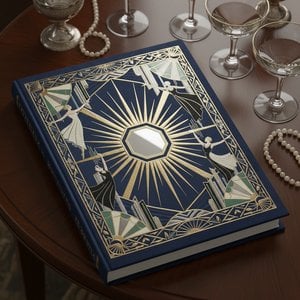
Discover the allure of Art Deco through a curated guide to its most iconic masterpieces. Explore the elegance of Erté and the innovation of Jean Dunand, perfect for collectors seeking timeless glamour and sophisticated design inspiration.

Discover the allure of Art Deco style with our expert guide to luxury interiors. Explore iconic influences from Erté to Jean Dunand and learn to curate a sophisticated space filled with timeless glamour and geometric elegance.

Discover the breathtaking allure of Art Deco. Explore the era's iconic geometry, legendary designers like Erté, and timeless glamour. Perfect for discerning collectors seeking to infuse their spaces with sophisticated modernist elegance and historical prestige.


 实景预览
实景预览
 分享
分享 分享
分享
 详情
详情 指南
指南

 下载作品
下载作品
 相似作品
相似作品 X射线
X射线 幻灯片播放
幻灯片播放 Q&A
Q&A 统计数据
统计数据 展开全文
展开全文









 玻璃选项仅适用于110厘米以下的尺寸。


