
博物馆级艺术微喷或帆布版画,制作高效,并提供多种饰面选择。 ( 订购此收藏品的纯手工复刻画作 切换至数字图像销售渠道)
您可以从与原作比例一致的预设尺寸中进行选择。

请输入您所需的宽度和高度,以适配您的画框或墙面。由于印刷品只能进行裁剪,无法超出原图尺寸,因此若比例不一致,画面的一部分将会被裁切。在正式印刷之前,我们会为您发送一份数字效果图供您确认。本页面显示的图片并非最终裁剪后的效果——只有效果图才能展示真实的裁剪情况。
Le Chinois
复刻品尺寸说明
Tamara de Lempicka's "Le Chinois" is a captivating portrait that embodies the spirit of the Art Deco era, showcasing her signature style and fascination with exotic themes. This striking artwork, likely created in the 1920s or 30s, presents a tightly cropped view of a man presumed to be Chinese, rendered with Lempicka's characteristic precision and geometric flair.
"Le Chinois" exemplifies the hallmarks of Art Deco portraiture. The subject’s head and upper torso dominate the composition against a bold red background, creating a sense of intimacy and focus. Lempicka masterfully employs sharp, angular lines to define the planes of the face and clothing, resulting in a stylized and somewhat flattened perspective—a common feature of portraits from this period. The color palette is rich and warm, featuring oranges, browns, and reds contrasted with cooler blues and whites used for detailing. This combination creates visual interest and emphasizes the subject's features. The overall effect is one of sleek elegance and sophisticated modernity, perfectly aligned with the Art Deco aesthetic that celebrated industrial design and streamlined forms.
Lempicka’s technical skill is evident in "Le Chinois." The artwork appears to be executed in oil paints on a canvas support. Visible brushstrokes, particularly noticeable in the rendering of skin tones and fabric textures, add depth and dynamism to the composition. The dramatic lighting—characterized by strong contrasts between light and shadow—further enhances the sense of volume and emphasizes the subject’s features. Lempicka's use of layering and glazing techniques likely contributes to the richness and luminosity of the colors.
The portrait emerged during a period when European society exhibited a fascination with Eastern cultures, often romanticized and exoticized. "Le Chinois" reflects this trend, portraying a figure from a distant land within a distinctly Western artistic framework. The subject’s closed eyes suggest introspection or perhaps a meditative state, adding an element of mystery to the portrait. The vibrant red background could symbolize power, passion, or cultural significance—a deliberate choice by Lempicka to imbue the artwork with deeper meaning. It's important to note that while the work reflects the artistic trends of its time, modern perspectives encourage a critical examination of representations of other cultures.
"Le Chinois" evokes a sense of quiet contemplation and understated elegance. The subject’s serene expression and the artwork's refined aesthetic create a lasting impression on the viewer. As one of Tamara de Lempicka’s most celebrated works, "Le Chinois" continues to captivate audiences with its beauty, sophistication, and insight into the cultural landscape of the Art Deco era. Owning a hand-painted reproduction allows you to bring this iconic piece of art history into your own space, appreciating its timeless appeal and artistic merit.
"Le Chinois" 的描绘主题为 portrait, art deco, chinese, exoticism, red background, introspection, stylized, geometric。
在坦玛拉·德·兰皮卡 (Tǎn Mǎ Lā · Dé Lán Pí Kǎ)的艺术生涯中,"Le Chinois"创作于Mature Period时期。这一阶段有助于将其与艺术家的其他作品进行比较。
《Le Chinois》由出生于 波兰 的 坦玛拉·德·兰皮卡 (Tǎn Mǎ Lā · Dé Lán Pí Kǎ) 在 Art Deco 运动背景下创作而成。艺术家的原籍地使这部作品与 波兰 艺术家所实践的 Art Deco 风格紧密相连。

塔玛拉·德·伦皮卡,原名玛丽亚·特蕾莎·古尔斯卡,1898年出生于华沙,是一位如同她所描绘肖像一样迷人而复杂的女性。她的生活故事宛如一部小说——一个充满贵族背景、革命动荡、艺术觉醒和持久魅力的旋风。她出身于富裕的波兰犹太家庭,早年生活浸润在欧洲文化之中,游历温泉胜地,接触到精致的上流社会。这种特权背景在她心中培养了对美和优雅的欣赏,深刻影响了她的审美视野。然而,她童年的田园诗般的生活被俄罗斯革命打破。与丈夫塔德乌什·伦皮卡一同逃离政治动荡,她开始了在巴黎的新篇章,这座城市正成为艺术创新的中心。正是在这里,装饰艺术运动蓬勃发展之际,塔玛拉真正找到了自己的声音。
伦皮卡的艺术之旅并非源于正规的学院训练,而是源于她充满激情的自我发现和导师的指导。她曾短暂地师从莫里斯·德尼和安德烈·洛特,吸收他们的技巧,同时锻造出自己独特的风格。让-多米尼克·安格尔的影响在她新古典主义的精确性和对形式的强调中显而易见,但她巧妙地融入了立体主义的碎片化视角和几何抽象——这种大胆融合定义了她的标志性审美。她的绘画作品以抛光表面、流畅线条和对人物的刻意风格化为特征,充分体现了装饰艺术拥抱现代性和奢华。她不仅仅是画肖像,而是创造偶像。她的模特——通常是贵族或富裕精英——被描绘成一种冷静而精致的气质,体现了爵士时代解放的精神。绿色的布加迪自画像或许是最具代表性的作品,完美地展现了自信独立和汽车速度的形象,以无与伦比的优雅捕捉了现代生活的一瞬间。
1925年巴黎国际装饰艺术及工业展览会是伦皮卡职业生涯中的一个关键时刻。她的参与帮助将装饰艺术推向主流,巩固了她作为时代领先艺术家的声誉。 1927年她在波尔多展览会上凭借阳台上的基泽特获得一等奖,进一步奠定了这一地位,这幅画完美地体现了她的标志性风格——古典姿态与现代感性的融合。在20世纪20年代末和30年代,伦皮卡备受富裕赞助人的追捧,他们渴望委托肖像画来永恒化他们的地位和魅力。例如玛乔丽·费里的画像充分展示了她捕捉人物内在本质的能力——他们的抱负、自信和精致品味。除了肖像画之外,她还探索神话主题,如亚当与夏娃,展现了她的多才多艺和求知欲。
第二次世界大战的爆发迫使伦皮卡于1939年迁居美国,在那里她继续绘画,但发现自己有些脱离不断演变的艺术格局。她的风格与战前欧洲的魅力紧密相连,在动荡和不确定性席卷全球的世界中显得不太相关。然而,她在20世纪60年代和70年代装饰艺术复兴期间经历了显著的人气复苏。新一代人发现了她的画作,被其永恒的优雅和大胆的审美愿景所吸引。塔玛拉·德·伦皮卡于1980年在墨西哥城去世,选择将骨灰撒在波波卡特佩特火山上——这是符合一位活出自我的人格的最后一次反抗和独立行为。今天,她被誉为装饰艺术运动中最重要的人物之一,她的画作继续以其美丽、精致和对逝去时代的回忆而激发人们的敬畏和赞赏。她的遗产超越了美学;她仍然是一位代表女性赋权和在历史上由男性主导的领域中进行艺术创新的标志性人物。

1898 - 1980 , 波兰

Discover the breathtaking allure of Art Deco. Explore the era's iconic geometry, legendary designers like Erté, and timeless glamour. Perfect for discerning collectors seeking to infuse their spaces with sophisticated modernist elegance and historical prestige.
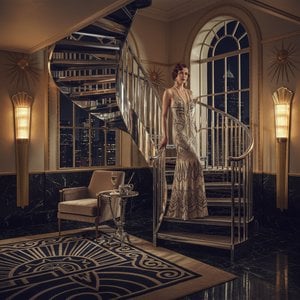
Discover the allure of Art Deco style with our expert guide to luxury interiors. Explore iconic influences from Erté to Jean Dunand and learn to curate a sophisticated space filled with timeless glamour and geometric elegance.
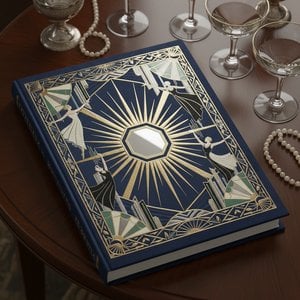
Discover the allure of Art Deco through a curated guide to its most iconic masterpieces. Explore the elegance of Erté and the innovation of Jean Dunand, perfect for collectors seeking timeless glamour and sophisticated design inspiration.

Discover the unparalleled elegance of Art Deco through the lens of Erté. Explore a masterclass in linear precision, theatrical costume design, and high-fashion illustration that continues to define modern luxury and sophisticated interior aesthetics.


 实景预览
实景预览
 发送
发送 分享
分享
 详情
详情 指南
指南

 下载图片
下载图片
 相似作品
相似作品 X射线
X射线 幻灯片播放
幻灯片播放 统计数据
统计数据
 阅读全文
阅读全文






































 玻璃选项仅适用于110厘米以下的尺寸。


