


 Graphite PencilNihonga
 19th Century
 28.0 x 36.0 cm
 利物浦国家博物馆




























从与原作比例一致的预设尺寸中进行选择。

您可以输入自定义尺寸,以适配特定的画框或空间。如果所选尺寸与原图比例不符,我们将通过裁剪作品或添加手绘元素来扩展画面。数字样稿将在制作开始前发送给您确认。
请注意,屏幕预览无法准确反映实际的裁剪或扩展效果,只有样稿才能真实呈现最终的构图。
虽然我们提供定制尺寸服务,但为了保留原作比例,建议您从预设列表中选择尺寸。

Preparatory sketch
复制品尺寸
In the quiet, focused moments before a masterpiece is realized, there exists a profound intimacy found only in the preparatory sketch. This graphite study by the esteemed Japanese master Taki Katei offers a rare glimpse into that sacred stage of creation. The artwork presents a meticulously rendered vase, captured with a technical precision that speaks to the artist's disciplined hand and observant eye. Rather than a finished, polished object, we are invited to witness the skeletal beauty of an idea taking shape. The monochromatic palette, composed of delicate grays against a warm, light beige ground, strips away the distraction of color to reveal the pure essence of form, volume, and structural integrity.
The composition is centered and commanding, yet it possesses a lightness that prevents it from feeling static. Through a masterful use of fine lines, hatching, and cross-hatching, Katei breathes life into the inanimate ceramic surface. Every curve of the vase's handle and every geometric flourish along its rim is articulated with such clarity that one can almost feel the weight and texture of the intended object. This technique does more than just define shape; it creates a subtle play of light and shadow that suggests depth and dimension, transforming a flat piece of paper into a window onto a three-dimensional reality.
To understand this sketch, one must consider the historical landscape inhabited by Taki Katei. Living through the transformative transition from the late Tokugawa period to the Meiji era, Katei stood at the crossroads of Japan's cultural evolution. While he is celebrated for his contributions to the Nihonga style—noted for its use of mineral pigments and organic materials—this particular graphite study reveals a different facet of his mastery. It showcases a rigorous, almost scientific approach to observation that mirrors the burgeoning influence of Western-style realism, or Yōga, which was beginning to permeate Japanese artistic circles during his lifetime.
There is a quiet, meditative quality to this work that makes it an exceptional choice for the discerning collector or interior designer. It does not demand attention through loud colors or dramatic gestures; instead, it commands respect through its understated elegance and intellectual depth. For those looking to curate a space of sophistication and calm, such a piece serves as a perfect focal point—a sophisticated nod to the beauty of process and the enduring allure of classical craftsmanship. Whether placed in a contemporary gallery setting or a traditional study, this preparatory sketch brings with it an aura of timelessness and a profound respect for the foundational elements of art.


1830 - 1901 , 日本

Explore the profound artistry of graphite drawing. Discover professional techniques for mastering depth, texture, and detail through a lens of art history, from classical sketches to modern masterpieces. Elevate your understanding of the pencil medium with our expert guide.

Discover the sophisticated mastery of graphite drawing. Explore expert techniques for achieving profound depth, intricate texture, and hyper-realistic detail through the alchemy of carbon, curated for the discerning art enthusiast and professional collector.
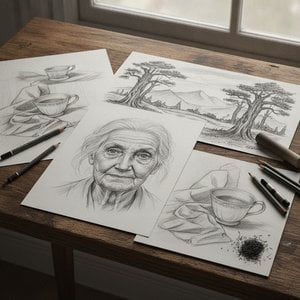
Explore the profound elegance of pencil and charcoal sketching. Discover how masters use line, shadow, and chiaroscuro to capture light and texture, bridging the gap between preparatory studies and timeless fine art masterpieces.

Explore the profound beauty of the sketch. Discover how masters use charcoal and graphite to capture raw emotion, anatomical precision, and fluid movement, bridging the gap between ephemeral marks and eternal oil masterpieces.


 效果预览
效果预览
 购买印刷品
购买印刷品 分享
分享 分享
分享
 详情
详情

 下载
下载
 相似作品
相似作品 X射线
X射线 幻灯片播放
幻灯片播放 展开详情
展开详情









 玻璃选项仅适用于110厘米以下的尺寸。


