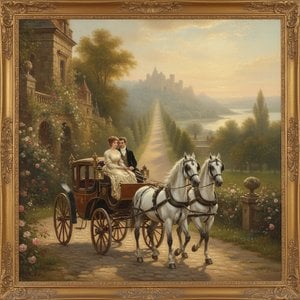
由我们的艺术家按需定制,为您提供您所选尺寸及画框的布面手工油画。 ( 切换至版画销售渠道
切换至数字图像销售渠道)

从与原作比例一致的预设尺寸中进行选择。
您可以输入自定义尺寸,以适配特定的画框或空间。如果所选尺寸与原图比例不符,我们将通过裁剪作品或添加手绘元素来扩展画面。数字样稿将在制作开始前发送给您确认。
请注意,屏幕预览无法准确反映实际的裁剪或扩展效果,只有样稿才能真实呈现最终的构图。
虽然我们提供定制尺寸服务,但为了保留原作比例,建议您从预设列表中选择尺寸。
Martial Attire
复制品尺寸
Initially named Sun Pengzu (彭祖), he was born into a family with imperial connections, the son of Sun He, a prince who had been sidelined by court politics. This early experience of marginalization profoundly shaped his worldview. Following the death of Emperor Jing in 264, driven by popular sentiment and a perceived need for an older ruler to guide Wu through turbulent times, he was thrust onto the throne. However, this elevation proved disastrous. Sun Hao lacked the strategic acumen, political finesse, and administrative skills necessary to govern effectively. He indulged in extravagant displays of wealth, prioritized personal pleasures over state affairs, and surrounded himself with sycophants who shielded him from reality.
Sun Hao’s artistic talent was evident early on. He received a thorough education, mastering the traditional arts of calligraphy, painting, and poetry. His most famous works are believed to be “Hero Song” (英雄歌) and “Martial Attire” (武衣), both rendered in meticulous pencil shading and hatching—a technique that emphasized texture and detail. "Martial Attire," depicting a horse with remarkable realism and symbolic weight, is particularly noteworthy for its use of grayscale tones to evoke a sense of mythic grandeur and the power of nature. The painting’s composition suggests a connection to Daoist philosophy, emphasizing harmony and balance—a stark contrast to the chaos that characterized his reign.
Sun Hao’s story serves as a cautionary tale about the dangers of incompetence, vanity, and a disconnect from reality. While he is remembered primarily for his disastrous reign, his artistic legacy offers a glimpse into the man behind the emperor—a skilled artist who, despite his flaws, possessed a keen eye for detail and an appreciation for beauty. His “Martial Attire” remains a testament to his talent, a poignant reminder of a lost empire, and a window into the complex world of Three Kingdoms art.
China