
 Gothic Revival
 1435
1435 124.0 x 172.0 cm
 羅爾富萊茨博物館
由我们的艺术家按需定制,为您提供您所选尺寸及画框的布面手工油画。 ( 切换至版画销售渠道 切换至数字图像销售渠道)





























您可以从与原作比例一致的预设尺寸中进行选择。

您可以输入自定义尺寸,以适配特定的画框或空间。如果所选尺寸与原图比例不符,我们将通过裁剪作品或添加手绘元素来扩展画面。数字样稿将在制作开始前发送给您确认。
请注意,屏幕预览无法准确反映实际的裁剪或扩展效果,只有样稿才能真实呈现最终的构图。
虽然我们提供定制尺寸服务,但为了保留原作比例,建议您从预设列表中选择尺寸。
The Last Judgment
复刻品尺寸说明
Stephan Lochner’s “The Last Judgment,” painted in 1435, isn't merely a depiction of biblical narrative; it’s a profound meditation on mortality, divine justice, and the eternal consequences of earthly actions. Emerging from the late Gothic period in Cologne, Germany, this monumental panel transcends its historical context to resonate with an enduring power—a testament to the artist’s skill and his ability to capture both the drama and the solemnity of humanity's final reckoning. The painting, currently housed within the Wallraf-Richartz-Museum, is a vibrant tapestry woven from earthly tones and celestial light, inviting viewers into a world where faith and fate collide.
Lochner’s genius lies in his masterful synthesis of influences. He seamlessly blends the opulent detail characteristic of International Gothic art—noticeable in the intricate drapery, the meticulously rendered faces, and the sheer abundance of figures—with the burgeoning realism and symbolic innovation that would soon define the Northern Renaissance. This fusion creates a work that is both richly ornamented and surprisingly direct, communicating complex theological ideas with an immediacy rarely seen in contemporary religious art. The influence of artists like Master Of San Torpé is evident in the composition’s balance and the use of color, while the echoes of earlier works, such as those found in the Cologne Cathedral, demonstrate Lochner's deep understanding of established artistic traditions.
At the heart of the painting stands Jesus Christ, radiating an almost ethereal light—a visual representation of his divine authority. He’s not depicted in a triumphant or martial pose, but rather with a quiet dignity, holding a book and a cross, symbols that immediately anchor the scene within Christian iconography. To his left, Mary Magdalene is rendered with remarkable tenderness, her long hair flowing freely as she holds a jar—a detail often interpreted as representing her role as a receptacle for divine grace. On the right, St. John the Baptist stands tall and resolute, clutching a lamb – a potent symbol of innocence and sacrifice. The background is dominated by a castle-like structure, possibly an idealized representation of heaven or a symbolic gateway to the afterlife, adding depth and grandeur to the composition.
The arrangement of figures isn’t random; it's carefully orchestrated to convey a sense of movement and drama. Angels ascend towards the heavens, their wings spread wide in a swirling vortex, while below, souls are being judged—some ascending to eternal bliss, others descending into darkness. The sheer number of figures – over 300 – creates an overwhelming sense of scale, emphasizing the vastness of human history and the ultimate significance of each individual’s actions.
Beyond its narrative content, “The Last Judgment” is rich in symbolism. The use of color—earth tones contrasted with vibrant blues and reds—evokes a sense of both earthly reality and divine transcendence. The recurring motifs – the cross, the book, the lamb, the jar – are all deeply rooted in Christian theology, reinforcing the painting’s central message about salvation and damnation. The inclusion of specific details, such as Mary Magdalene's flowing hair and St. John the Baptist's lamb, adds layers of meaning and invites viewers to contemplate the individual stories behind each figure.
More than just a historical artifact, “The Last Judgment” continues to evoke a powerful emotional response. The painting’s scale, its dramatic composition, and its profound themes about life, death, and judgment combine to create an experience that is both awe-inspiring and unsettling. It serves as a potent reminder of our own mortality and the importance of living a virtuous life.
Painted in oil on oak panel in 1435, “The Last Judgment” measures 124 x 172 cm. Stephan Lochner’s technical skill is evident in every detail—from the intricate folds of the drapery to the subtle gradations of color. The painting demonstrates a mastery of perspective and spatial relationships, creating a sense of depth and realism that was groundbreaking for its time. Lochner's work reflects the artistic trends of his era, particularly the influence of the International Gothic style, but also foreshadows the innovations of the Northern Renaissance. His brief career, tragically cut short in 1451, left behind a legacy of remarkable beauty and enduring significance.
“The Last Judgment”营造出一种Dramatic的氛围。
施特凡·洛赫纳 的《The Last Judgment》 的色彩呈现出 Subtle Color 的饱和度。饱和度描述了色彩的鲜艳或柔和程度。
针对 施特凡·洛赫纳 的《The Last Judgment》,我们提供了一个 指南 页面:这是一份可打印的艺术品资料页,专为学生及课堂教学使用而设计。
"The Last Judgment" 拥有专属的 统计数据 页面。该页面通过国家和语言维度的细分,展示了该作品及艺术家其他作品的每月访问量趋势图。
馆藏于 羅爾富萊茨博物館 的 施特凡·洛赫纳 的《The Last Judgment》 属于 属于公有领域 —— 其版权已过期。这一状态决定了该图像是否可以进行复制。
“The Last Judgment”现已推出亚麻画布手工绘制油画复制品。您可以在本页进行订购,并可自由选择多种尺寸。
在施特凡·洛赫纳的作品集中,"The Last Judgment" 呈现出Gothic Revival风格,并贯穿着international gothic, northern renaissance, medieval christian iconography, symbolism, religious judgment, salvation, damnation, cologne cathedral的主题。
您可以在作品的幻灯片播放页面上观看“The Last Judgment”的幻灯片展示。

大约于1410年出生在德国风景如画的梅尔斯堡——那是一个充满传奇色彩、坐落在壮丽的博登湖畔的小镇——施蒂芬·洛赫纳(Stephan Lochner)的一生在1451年的科隆不幸戛然而止。尽管艺术生涯短暂,这位神秘的画家却在艺术史上留下了不可磨灭的印记。他以精湛的技艺,将国际哥特式那华丽丰盈的传统,与早期北欧文艺复兴时期蓬勃发展的写实主义及创新的图像学完美融合。洛赫纳的遗产不仅在于其单幅作品的美学价值,更在于他对后世艺术家的深远影响,尤其是对罗吉尔·范德魏登(Rogmut van der Weyden)和汉斯·梅姆林(Hans Memling)等大师的影响——这些画家在随后的创作中,都承袭了他那独树一帜的风格元素。
关于洛赫纳早年生活的确切记载寥寥无几。艺术史学界的共识认为,他在成长岁月的一部分时间里,曾在低地国家(Low Countries)接受学徒训练,这段经历深刻地塑造了他的艺术感官。佛兰德绘画中盛行的鲜艳色彩、细腻纹理以及不断演进的图像符号,无疑影响了他对构图、色调的选择以及宗教人物描绘的方式。这种国际化的艺术视野,被认为是其作品中呈现出独特风格融合的关键因素。
洛赫纳的画作极具辨识度,其引人入胜的色彩运用、灵动的长线条以及令人惊叹的精湛表面纹理,总能瞬间捕捉观众的目光。他摒弃了早期哥特艺术中常见的沉闷色调,转而拥抱更加明亮、更具光泽感的调色板——这一特征使他坚定地站在了新兴文艺复兴美学的阵营之中。他的作品经常呈现出浓郁的红色、蓝色与金色,通过对光影大师级的掌控,营造出一种深邃且富有戏剧性的空间感。
在他最负盛名的杰作中,位于科隆瓦尔拉夫-里查茨博物馆的《玫瑰丛中的圣母》(51 x 40 cm)堪称典范,完美体现了洛赫诞的技术造诣与表现力。这幅画展示了他赋予宗教题材以近乎可感知的细腻情感与神圣精神的能力。《书斋中的圣杰罗姆》(30 x 39 cm,布面油画)则进一步证明了他捕捉主体灵魂的能力——在极其详尽的细节与心理洞察中,呈现出一场静谧的沉思。而《三位圣徒》这一构图复杂、充满优雅与从容的作品,则突显了洛赫纳在单一画面内描绘多个人物并创造动态且引人入胜的视觉叙事的能力。
另一件具有里程碑意义的作品是最初为科隆大教堂委托创作的《大教堂祭坛画》(或称《科隆大教堂祭坛画》)。这座宏伟的三联画现收藏于大教堂的玛利亚礼拜堂,至今仍是他艺术成就最重要的见证之一。其错综复杂的细节、鲜艳夺目的色彩以及充满象征意义的图像,即便在今天依然令观者为之着迷。
施蒂芬·洛赫纳对后世北欧艺术家的影响是巨大的。他那以流动的线条、灿烂的色彩和情感表达为核心的独特风格,在同时代艺术家中引起了强烈共鸣,激励着他们将他的创作手法融入到自己的作品之中。特别是罗吉尔·范德魏登,普遍认为其在色彩与构图上深受洛赫纳的影响;而汉斯·梅姆林在其虔诚的祭坛画板中,也同样采纳了他风格中的某些侧面。
《大教堂祭坛画》便是洛赫纳影响力最引人注目的例证。它在描绘宗教叙事时采取了创新的方法——将哥特式的优雅与新兴的文艺复兴写实主义相结合——为北欧绘画未来的发展铺平了道路。该祭坛画精细的细节与象征性意象,成为了后世无数艺术家的典范,巩固了洛赫纳作为从晚期哥特向早期文艺复兴过渡时期关键人物的历史地位。
洛赫纳的作品被世界各地多家著名博物馆珍藏。科隆的瓦尔拉夫-里查茨博物馆收藏着《玫瑰丛中的圣母》,让参观者能够近距离感受这幅标志性杰作的魅力。法兰克福的施泰德博物馆则展出了《弗莱马板画》(68 x 160 cm,橡木),展示了洛赫纳对板画创作的精湛掌控,以及他创造充满细节与象征意义的复杂构图的能力。除了这些核心机构外,他的作品碎片也散见于各类收藏中,确保了他的艺术遗产能持续受到全球艺术爱好者的推崇。
时至今日,施蒂芬·洛赫纳的绘画作品仍因其美学价值、精湛技艺以及深邃的情感共鸣而备受赞誉。他能够天衣无缝地将国际哥特式的传统与北欧文艺复兴早期的创新结合在一起,这使他确立了作为一位卓越艺术家的地位——一位连接了两个截然不同的艺术时代、并在艺术史上留下了永恒印记的大师。

1410 - 1451 , 德国

Embark on a scholarly journey through the sacred beauty of High Medieval art. Discover the profound symbolism, luminous iconography, and spiritual depth of Gothic masterpieces in this expert guide for classical art enthusiasts.

Explore the exquisite elegance of Late Gothic art. Discover how masters like Carlo Crivelli and Stefan Lochner blended intricate detail and religious devotion to bridge the Middle Ages and the Renaissance in this expert art history guide for true connoisseurs.

Embark on a scholarly journey through the spiritual grandeur of Late Medieval art. Discover the intricate symbolism, technical mastery, and profound religious narratives that define the Gothic era in this expert-led guide for art enthusiasts and collectors.
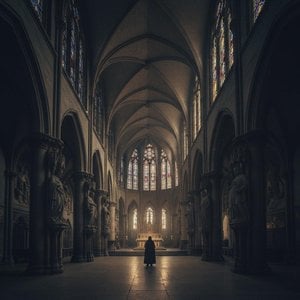
Embark on a journey through the dramatic era of Gothic art. Discover the profound beauty of illuminated manuscripts, sacred gold leaf masterpieces, and the transition to naturalism in this expert-led exploration of medieval artistry and historical grandeur.


 实景预览
实景预览
 发送
发送 分享
分享
 详情
详情 指南
指南

 下载图片
下载图片
 相似作品
相似作品 X射线
X射线 幻灯片播放
幻灯片播放 统计数据
统计数据 阅读全文
阅读全文









 玻璃选项仅适用于110厘米以下的尺寸。


