
x































从与原作比例一致的预设尺寸中进行选择。

您可以输入自定义尺寸,以适配特定的画框或空间。如果所选尺寸与原图比例不符,我们将通过裁剪作品或添加手绘元素来扩展画面。数字样稿将在制作开始前发送给您确认。
请注意,屏幕预览无法准确反映实际的裁剪或扩展效果,只有样稿才能真实呈现最终的构图。
虽然我们提供定制尺寸服务,但为了保留原作比例,建议您从预设列表中选择尺寸。

Sleeping Mietek
复制品尺寸
In the quietude of a sleeping nursery, time seems to suspend its breath within Stanisław Wyspiański’s Sleeping Mietek. Painted in 1902, this tender masterpiece captures more than just a child at rest; it captures the very essence of innocence and the profound peace found in vulnerability. The subject, a young boy with soft blonde hair, lies nestled amidst the heavy folds of blankets, his form partially obscured by the comforting weight of sleep. Flanked by two silent teddy bear companions—one resting on the left and another tucked near the right edge—the composition creates a protective cocoon around the sleeping figure. The scene is an intimate window into a private world, where the outside chaos of the turn of the century fades into the background, leaving only the rhythmic, unseen breathing of a child in deep repose.
The technique employed by Wyspiański reflects his mastery as a pivotal figure of the Young Poland movement. Through delicate brushwork and a sensitive handling of light, he imbues the fabric of the bed and the soft textures of the plush toys with a palpable sense of touch. The artist utilizes a palette that emphasizes warmth and coziness, using subtle shifts in tone to suggest the gentle play of light across the linens. This mastery of texture does not merely serve a decorative purpose; it serves an emotional one, inviting the viewer to feel the softness of the pillow and the warmth of the covers, thereby bridging the gap between the observer and the observed.
Beyond its surface-level charm, Sleeping Mietek carries the weight of Symbolist tradition. As a playwright and poet as much as a painter, Wyspiański often infused his visual works with deeper, often nationalistic or existential, undertones. In this particular piece, the symbolism lies in the concept of the untainted soul. The sleeping child represents a state of purity and a sanctuary of peace that remains untouched by the political and social turbulence of Poland during the early 1900s. The teddy bears act as silent sentinels, guardians of this fragile peace, embodying the comfort of childhood companionship and the safety of the domestic sphere.
For the discerning collector or interior designer, this painting offers a unique emotional resonance. It is a work that does not demand attention through loud colors or aggressive strokes, but rather earns it through a quiet, persistent grace. Integrating a high-quality reproduction of this piece into a living space can transform a room, providing an anchor of tranquility and a focal point of nostalgic warmth. Whether placed in a nursery, a study, or a sophisticated gallery wall, Sleeping Mietek serves as a timeless reminder of the beauty found in life's most quiet, unassuming moments.

在克拉科夫那雾气缭绕的历史核心地带,一位非凡的天才脱颖而出,重新定义了一个渴望寻找身份认同的国家之文化版图。斯坦尼斯瓦夫·维斯皮安斯基不仅仅是一位画家;他更是一位博学者,一位用创造精神为年轻波兰运动注入灵魂的远见卓识者。生于1869年,他那短暂却如星火般灿烂的一生,是一场艺术探索的旋风,在分离派(Art Nouveau)细腻的美学与波兰象征主义深邃且往往动荡的意境之间架起了一座桥梁。研读维斯皮安斯向,便是见证一个人如何试图捕捉灵魂的本质——无论是属于个人的,还是属于民族的。
作为艺术家的成长历程深深植根于其受过的深厚学院派传统之中,然而,他天生便对现实主义的僵化束缚怀有一种叛逆。他的作品开始涌动着一种全新的能量,这种能量大量汲取自波兰乡村充满活力的民间纹样,以及分离派风格中特有的复杂且富有机的线条。这种融合创造了一种独属于他的视觉语言:在植物学般的精准度与令人难忘的隐喻重量之间达成了微妙的平衡。在他眼中,世界不仅是其表象所在,更是其感官所及,他赋予了每一片花瓣、每一幅肖像一种宇宙层面的神圣意义。
维斯皮安斯基的造诣远超画布本身,甚至延伸到了神圣空间的建筑构造之中。他最广为人知的成就或许在于那些令人屏息的彩色玻璃窗,这些作品将光线转化为一种精神叙事的媒介。在这些杰作中,色彩本身化身为角色,深邃的蓝色与炽热的琥珀色在玻璃间翩翩起舞,唤起殉难、重生与民族韧性的主题。他操控光影的能力,使他能够创造出一种沉浸式的环境,让物理世界与象征领域之间的边界开始消融。
除了视觉艺术,他在文学领域的贡献同样具有里程碑意义。作为一名剧作家和诗人,他利用舞台编织出波兰历史与神话的复杂锦缎。他最著名的戏剧《婚礼》是波兰文学的基石,这部杰作通过一场庆典之夜,剖析了一个处于瓜分状态下的民族所面临的社会与政治焦虑。通过文字,他探讨了传统与现代之间的张力,利用象征主义来批判知识分子的惰性,同时歌颂农民阶层那原始且不屈不挠的精神。
斯坦尼斯瓦夫·维斯皮安斯基的历史意义在于他作为“文化建筑师”的角色。他不仅是在创作艺术,更是在为一群寻求主权的民族构建视觉与文学的身份认同。他的影响力可以通过以下几个关键成就来追溯:
尽管他的生命在三十八岁时便不幸戛然而止,但他创作出的璀璨光芒却从未黯淡。维斯皮安斯基留下的遗产至今仍震撼人心并激励着后人,这证明了艺术既能作为社会的镜像,又能作为未来的灯塔。对于任何渴望理解美、悲剧与民族身份之间深刻交汇点的人来说,他的作品始终是一场不可或缺的精神朝圣。

1869 - 1907 , 波兰
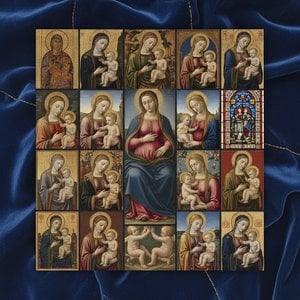
Embark on a sophisticated journey through art history with our curated guide to the most iconic Madonna and Child masterpieces. Discover the profound beauty, theological depth, and enduring legacy of these sacred Renaissance treasures.

Embark on a visual journey through the world's most serene landscapes. Discover curated masterpieces of tranquil beauty, from alpine peaks to monastic stillness, and learn how to bring timeless peace into your home with expert art curation.
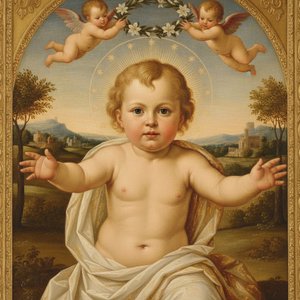
Explore the profound beauty of Baby Jesus in fine art history. From Raphael's Renaissance masterpieces to symbolic light, discover how classical painters captured divine innocence through masterful technique and sacred iconography.


第一时间获取最新的艺术新闻、独家优惠及装饰灵感。
向我们介绍您的项目需求,我们的艺术专家将为您提供 3 个个性化的艺术品推荐。
由我们的专家为您精选 3 款心仪之作 —— 完全免费!


 效果预览
效果预览
 购买印刷品
购买印刷品 分享
分享 分享
分享
 详情
详情

 下载
下载
 相似作品
相似作品 X射线
X射线 幻灯片播放
幻灯片播放


 展开详情
展开详情









 玻璃选项仅适用于110厘米以下的尺寸。


