WatercolorWallArtCubist influences
 Modern
 37.0 x 53.0 cm
 皇家苏格兰学院艺术与建筑展
购买高分辨率增强版数字图像,其品质远超在线预览。
每一份文件都由我们的内部专家使用先进工具与专业的后期润色技术精心打造。我们确保每一张图像都具备卓越的清晰度、精准的色彩还原度以及细腻的细节表现。
最终文件将在 72 小时内通过电子邮件交付,并针对专业、编辑及印刷用途进行了优化。其品质与顶级设计工作室、出版社和画廊所信赖的标准完全一致。
选择 WahooArt.com,您获得的不仅仅是一张图像——您收到的是经过专业级增强、精雕细琢的数字艺术作品,并享有满意保证。以下是您的订单中自动包含的所有内容:

您的高分辨率数字图像文件将在下单后 72 小时内通过电子邮件发送给您 —— 即可立即使用。

您的艺术品经过专业优化,结合先进的 AI 技术与人工修饰,确保呈现极致的细节、清晰度与色彩准确度。

不小心删除了文件或找不到了?没关系——我们将随时为您免费重发。

即刻拥有您的艺术作品,无需支付任何关税、税费或运费——数字下载始终免税。

我们通过专业工具与色彩管理技术,确保您的数字图像尽可能真实地还原原作色彩。

如果您对所购数字图像不满意,我们将在100天内为您进行修改或提供100%的全额退款——无需任何理由。

不满意?在收到数字文件后的100天内,您可以申请全额退款——无需任何理由。

购买 3 张图片可享 10% 折扣 - 购买 5 张可享 15% 折扣 - 购买 10+ 张可享 20% 折扣。非常适合创意项目、画廊和机构使用。
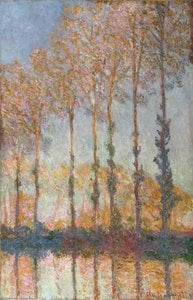
Sir William George Gillies’ “Trees,” a captivating oil painting measuring 37 x 53 cm, offers a serene and evocative glimpse into the heart of a Scottish forest. While the precise date of its creation remains unknown, the work embodies Gillies’ distinctive style—a synthesis of Cubist influences tempered by a profound appreciation for the natural world and a developing embrace of color inspired by Paul Klee. This piece isn't merely a depiction of trees; it is an exploration of light, form, and the quiet majesty of nature, rendered with a sensitivity that speaks to the soul.
To truly appreciate "Trees," one must understand Gillies' artistic evolution. Born in Haddington, East Lothian in 1898, his early training at Edinburgh College of Art was interrupted by service in World War I. Upon returning, he immersed himself in the burgeoning art scene, studying under André Lhote in Paris and traveling through Italy—experiences that introduced him to the principles of Cubism. Early works reflect this influence, characterized by fragmented forms and a restrained palette reminiscent of Braque and Picasso. However, Gillies’ artistic trajectory took a significant turn after encountering the work of Paul Klee. This encounter sparked a shift towards a more imaginative use of color and a willingness to embrace simplified, almost childlike forms—a sensibility beautifully evident in "Trees." His later works, including “Trees and Reflections” (1930) and “Trees in Leaf” (1934), further demonstrate this evolution.
In "Trees," Gillies masterfully captures the interplay of light and shadow within a dense forest setting. At least twelve trees are visible, each distinct in size and shape, contributing to a sense of depth and dimension. The artist doesn't strive for photographic realism; instead, he uses broad brushstrokes and subtle variations in color to suggest the texture of bark, the rustling of leaves, and the dappled sunlight filtering through the canopy. The backdrop of blue sky provides a striking contrast, emphasizing the verticality of the trees and creating a sense of vastness. The composition isn't rigidly structured; rather, it feels organic and natural, inviting the viewer to wander into the scene and experience the tranquility of the forest firsthand. It’s a testament to Gillies’ skill that he can convey such a profound sense of atmosphere with relatively simple forms.
While seemingly straightforward in its subject matter, "Trees" carries deeper symbolic weight. Trees have long been associated with strength, resilience, and connection to the earth—themes particularly resonant within Scottish culture. Gillies’ depiction evokes a sense of peace and contemplation, inviting viewers to reflect on their own relationship with nature. The painting's quiet beauty is both calming and inspiring, offering a respite from the complexities of modern life. It speaks to a longing for simplicity, authenticity, and a deeper connection to the natural world—emotions that continue to resonate strongly today. The work’s enduring appeal lies in its ability to evoke a sense of nostalgia and wonder, transporting viewers to a place of quiet beauty and timeless serenity.

威廉·乔治·吉利斯,一位在二十世纪苏格兰艺术界留下深刻印记的画家。1898年出生于东洛锡安郡的哈丁顿,他的艺术生涯并非一帆风顺,而是经历了战争的洗礼、风格的探索和对故土的热爱。吉利斯的作品以其细腻的情感、独特的色彩运用以及对苏格兰风景和静物的深刻理解而闻名。
吉利斯早期的艺术探索始于立体主义。1923年他在巴黎师从安德烈·洛特,并游历意大利,这些经历为他打开了现代艺术的大门。早期的作品,如《两个花瓶、碟子和水果》(1933),便能看到这种影响的痕迹,画面构图受到塞尚的影响,色彩运用则借鉴了布拉克和毕加索的内敛风格。
1934年是吉利斯艺术生涯中的一个重要转折点。他接触到了保罗·克利的作品,这激发了他对色彩更具想象力的运用以及在作品中融入童真特质的灵感。此后,吉利斯逐渐摆脱了严格的立体主义框架,开始发展出一种根植于苏格兰风景和静物传统的独特风格。他不再仅仅追求形式上的创新,而是更加注重情感的表达和对自然景物的细腻观察。
风景:吉利斯以其对洛锡安、菲夫和边境地区苏格兰风景的描绘而闻名。他用敏锐的目光捕捉这些风景的精髓,将自然景物的独特魅力呈现在画布上。
静物:静物构图是吉利斯作品的另一个重要组成部分,他的许多作品都以其妹妹艾玛·史密斯·吉利斯创作的陶瓷为特色。妹妹早逝对吉利斯影响深远,她的作品也成为了他表达情感的重要载体。
肖像:虽然吉利斯早期尝试过肖像画,但风景和静物最终成为他的主要创作主题。他将对自然的热爱融入到每一幅作品中,展现出独特的艺术风格。
威廉·乔治·吉利斯被认为是苏格兰最重要的二十世纪画家之一。他的作品弥合了早期现代主义和一种独特的苏格兰艺术身份之间的差距。他不仅是一位优秀的画家,更是一位杰出的教育家,为苏格兰艺术的发展做出了不可磨灭的贡献。
遗产:吉利斯的影响超越了他的绘画,通过他的教学和指导塑造了苏格兰艺术的方向。1973年去世后,他留下了丰富的作品,这些作品因其美丽、敏感和持久的相关性而继续受到赞誉。他的艺术精神将永远激励着后人。

1898 - 1973 , 英国


 效果预览
效果预览
 切换至版画销售渠道
 分享
分享 分享
分享
 详情
详情

 下载
下载
 相似作品
相似作品 X射线
X射线 幻灯片播放
幻灯片播放 统计数据
统计数据 展开详情
展开详情

![Poplars Along The River Epte, Autumn [1891] — 克劳德·莫奈, Impressionism](/media/artworks/images-thumb/87/07/8707b2b24bc1c6d6106417dda55914f5.jpg)