
 PaintingCubism
 Modern
 63.0 x 76.0 cm
 皇家苏格兰学院艺术与建筑展
博物馆级艺术微喷或帆布版画,制作高效,并提供多种饰面选择。 ( 购买手绘画作 切换至数字图像销售渠道)





























从与原作比例一致的预设尺寸中进行选择。

您可以输入自定义尺寸,以适配特定的画框或空间。如果您选择的尺寸与原图比例不符,我们将对作品进行裁剪,或通过镜像填充/纯色填充边缘的方式来扩展图像。在开始制作之前,我们会向您发送一份数字效果图供您确认。
请注意,屏幕上的预览并不能反映实际的裁剪或扩展效果。只有效果图才能准确展示最终的构图。
虽然我们提供定制尺寸,但为了保持原图比例,我们建议您从预设列表中选择尺寸。

Tree Trunks
复制品尺寸
In the evocative monochrome of Tree Trunks, Sir William George Gillies invites us into a moment of profound stillness. The painting presents a hauntingly beautiful encounter between humanity and the natural world, capturing a solitary figure standing before the rugged texture of a tree trunk. With their back turned to the viewer, the individual becomes an anonymous vessel for our own emotions, allowing us to step into the scene and share in the quiet contemplation of the woods. The composition is masterfully balanced, using the verticality of the surrounding trees to create a sense of deep, immersive space that draws the eye inward, much like a whispered secret shared between the observer and the landscape.
The atmosphere of the piece is one of melancholic beauty, where the absence of color serves to heighten our focus on form, light, and shadow. This black and white palette strips away the distractions of the vibrant world, leaving behind a skeletal, structural elegance that emphasizes the raw textures of bark and the soft silhouettes of the forest. For the discerning collector or interior designer, this work offers a sophisticated focal point that brings a sense of timelessness and organic calm to any space, acting as a window into a serene, primordial realm.
To understand the technical brilliance of Tree Trunks, one must look toward the rich artistic lineage of Sir William George Gillies. Having studied under André Lhote in Paris, Gillies brought a sophisticated understanding of Cubist structure to his Scottish landscapes. In this particular work, we see the subtle influence of that movement through the way he organizes the forest; the trees are not merely botanical subjects but architectural elements that build a complex, layered composition. There is a rhythmic quality to the arrangement of the trunks, creating a sense of depth and dimension that feels both grounded and dreamlike.
Yet, despite this structural rigor, the painting breathes with an Impressionistic soul. The way light filters through the unseen canopy to touch the figure and the bark suggests a fleeting moment captured in time. Gillies’ ability to blend the geometric precision of his early training with a more emotive, atmospheric approach allows the painting to transcend simple documentation. It becomes an exploration of texture and tone, where the interplay of light and dark creates a tactile experience that makes the viewer feel the coolness of the shade and the rough skin of the ancient trees.
For those seeking to curate an environment of reflection and elegance, Tree Trunks serves as an incomparable inspiration. Its monochromatic depth makes it a versatile masterpiece, capable of complementing both minimalist contemporary settings and more traditional, classic interiors. The painting does not merely decorate a wall; it anchors a room with its quiet strength and historical weight. It evokes the spirit of the Scottish Highlands—a landscape of rugged endurance and silent beauty—making it an ideal choice for those who value art that tells a story of connection to the earth.
Owning a high-quality reproduction of this work allows one to bring the contemplative essence of Gillies' vision into the home. It is a piece that rewards repeated viewing, revealing new nuances in its shadows and compositions each time the light changes in the room. Whether placed in a quiet study or a grand living area, Tree Trunks remains a powerful testament to the enduring dialogue between the human spirit and the enduring majesty of nature.

威廉·乔治·吉利斯,一位在二十世纪苏格兰艺术界留下深刻印记的画家。1898年出生于东洛锡安郡的哈丁顿,他的艺术生涯并非一帆风顺,而是经历了战争的洗礼、风格的探索和对故土的热爱。吉利斯的作品以其细腻的情感、独特的色彩运用以及对苏格兰风景和静物的深刻理解而闻名。
吉利斯早期的艺术探索始于立体主义。1923年他在巴黎师从安德烈·洛特,并游历意大利,这些经历为他打开了现代艺术的大门。早期的作品,如《两个花瓶、碟子和水果》(1933),便能看到这种影响的痕迹,画面构图受到塞尚的影响,色彩运用则借鉴了布拉克和毕加索的内敛风格。
1934年是吉利斯艺术生涯中的一个重要转折点。他接触到了保罗·克利的作品,这激发了他对色彩更具想象力的运用以及在作品中融入童真特质的灵感。此后,吉利斯逐渐摆脱了严格的立体主义框架,开始发展出一种根植于苏格兰风景和静物传统的独特风格。他不再仅仅追求形式上的创新,而是更加注重情感的表达和对自然景物的细腻观察。
风景:吉利斯以其对洛锡安、菲夫和边境地区苏格兰风景的描绘而闻名。他用敏锐的目光捕捉这些风景的精髓,将自然景物的独特魅力呈现在画布上。
静物:静物构图是吉利斯作品的另一个重要组成部分,他的许多作品都以其妹妹艾玛·史密斯·吉利斯创作的陶瓷为特色。妹妹早逝对吉利斯影响深远,她的作品也成为了他表达情感的重要载体。
肖像:虽然吉利斯早期尝试过肖像画,但风景和静物最终成为他的主要创作主题。他将对自然的热爱融入到每一幅作品中,展现出独特的艺术风格。
威廉·乔治·吉利斯被认为是苏格兰最重要的二十世纪画家之一。他的作品弥合了早期现代主义和一种独特的苏格兰艺术身份之间的差距。他不仅是一位优秀的画家,更是一位杰出的教育家,为苏格兰艺术的发展做出了不可磨灭的贡献。
遗产:吉利斯的影响超越了他的绘画,通过他的教学和指导塑造了苏格兰艺术的方向。1973年去世后,他留下了丰富的作品,这些作品因其美丽、敏感和持久的相关性而继续受到赞誉。他的艺术精神将永远激励着后人。

1898 - 1973 , 英国

Explore the rich history of trees in painting! Discover symbolism, Romantic masterpieces by Caspar David Friedrich & beyond. A curated journey for art enthusiasts.
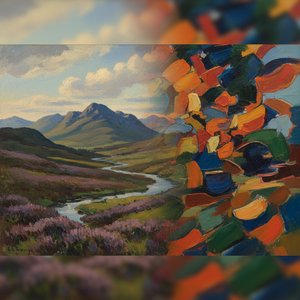
Explore the captivating world of Sir William George Gillies, a leading Scottish Colourist. Discover his journey from Cubism to iconic landscapes & still lifes. Expert insights for collectors and art enthusiasts.

探索康斯塔布尔的25幅传世杰作!沉浸于英国田园风光,感受浪漫主义绘画大师的光影与色彩。高清油画复制、艺术品购买尽在WahooArt.com,为您的家居增添经典之美。立即在线探索完整系列!

Explore the rich history of trees in painting! Discover symbolism, Romantic masterpieces by Caspar David Friedrich & beyond. A curated journey for art enthusiasts.

探索浪漫主义风景画的巅峰!本文精选十部经典名作,带您领略莫奈、库尔贝等大师的艺术魅力。感受色彩与光影的诗意,重温自然风光的震撼。WahooArt.com为您提供博物馆级别的艺术复制品和个性化家居装饰方案。尽在WahooArt.com!


 效果预览
效果预览
 分享
分享 分享
分享
 详情
详情 指南
指南

 下载
下载
 相似作品
相似作品 X射线
X射线 幻灯片播放
幻灯片播放 统计数据
统计数据 展开详情
展开详情









 玻璃选项仅适用于110厘米以下的尺寸。


