
 Oil On CanvasWallArtEarly Modernism
 55.0 x 76.0 cm
 皇家苏格兰学院艺术与建筑展
博物馆级艺术微喷或帆布版画,制作高效,并提供多种饰面选择。 ( 购买手绘画作 切换至数字图像销售渠道)





























从与原作比例一致的预设尺寸中进行选择。

您可以输入自定义尺寸,以适配特定的画框或空间。如果您选择的尺寸与原图比例不符,我们将对作品进行裁剪,或通过镜像填充/纯色填充边缘的方式来扩展图像。在开始制作之前,我们会向您发送一份数字效果图供您确认。
请注意,屏幕上的预览并不能反映实际的裁剪或扩展效果。只有效果图才能准确展示最终的构图。
虽然我们提供定制尺寸,但为了保持原图比例,我们建议您从预设列表中选择尺寸。

Landscape with Yellow Fields
复制品尺寸
Sir William George Gillies' "Landscape with Yellow Fields" isn’t merely a depiction of a rural scene; it’s a carefully constructed meditation on light, color, and the quiet dignity of the Scottish countryside. Painted around 1934, this work stands as a pivotal moment in Gillies’ artistic evolution, bridging his earlier explorations of Cubism with a deeply rooted appreciation for the evocative beauty of the British Isles. The painting captures a quintessential Highland vista – a rolling expanse of golden fields punctuated by a modest farmhouse and scattered trees, all bathed in the soft, diffused light characteristic of a late afternoon. It's a scene that feels both familiar and profoundly serene, inviting the viewer to step into a timeless moment of rural tranquility.
Gillies’ artistic journey had been shaped by encounters with European masters. His time in Paris with André Lhote exposed him to the principles of Cubism, leading to early works like “Two Pots, Saucer and Fruit,” where objects were fragmented and reassembled into geometric arrangements. However, a transformative encounter with Paul Klee in 1934 ignited a shift towards a more intuitive and emotionally resonant style. Klee’s use of vibrant color and childlike simplicity – his ability to imbue everyday subjects with a sense of wonder – profoundly influenced Gillies, prompting him to embrace bolder hues and a looser, more expressive brushstroke.
What immediately draws the eye is Gillies’ masterful manipulation of color. The dominant yellow of the fields isn't a flat, uniform hue; it’s layered with subtle variations – ochre, amber, and hints of gold – creating an illusion of depth and movement. This rich palette is expertly contrasted against the muted greens and browns of the trees and distant hills, further emphasizing the warmth and luminosity of the foreground. The red roof of the farmhouse acts as a striking focal point, anchoring the composition and adding a touch of domesticity to the vast landscape. Gillies’ use of light isn't photographic realism; it’s an artistic interpretation – a deliberate choice to capture the *feeling* of sunlight filtering through the air.
The technique employed is distinctly Impressionistic, yet infused with Gillies’ unique sensibility. He utilizes short, broken brushstrokes to build up texture and create a sense of atmosphere. These strokes aren't blended smoothly; instead, they retain their individual character, contributing to the painting’s vibrant energy. The layering of color and the visible brushwork invite the viewer to actively engage with the artwork, noticing the subtle shifts in tone and hue as they gaze upon it.
Beyond its aesthetic qualities, “Landscape with Yellow Fields” offers a glimpse into the heart of rural Scottish life. The farmhouse, modest yet sturdy, suggests a connection to the land and a sense of community. The scattered trees hint at the presence of wildlife and the rhythms of nature. Gillies’ paintings frequently depicted scenes from his native Scotland, capturing its distinctive landscapes and portraying the lives of its people with empathy and understanding.
The painting's historical context is also significant. Created during a period of economic hardship in Britain, it reflects a longing for simpler times and a connection to the land – values that resonated deeply with many at the time. Gillies’ work served as a powerful reminder of the beauty and resilience of the Scottish countryside.
Reproductions of “Landscape with Yellow Fields” offer an accessible way to experience the painting's captivating atmosphere. WahooArt meticulously recreates Gillies’ techniques, capturing the nuances of color, texture, and light that make this artwork so compelling. The 55 x 76 cm size is ideal for adding a touch of rustic charm to any interior space – whether it’s a living room, bedroom, or study.
More than just a decorative piece, “Landscape with Yellow Fields” evokes a sense of nostalgia and tranquility. It's an invitation to slow down, appreciate the beauty of nature, and connect with the timeless spirit of rural Scotland. Consider this reproduction not merely as a print, but as a portal – a window into a world of quiet contemplation and artistic brilliance.

威廉·乔治·吉利斯,一位在二十世纪苏格兰艺术界留下深刻印记的画家。1898年出生于东洛锡安郡的哈丁顿,他的艺术生涯并非一帆风顺,而是经历了战争的洗礼、风格的探索和对故土的热爱。吉利斯的作品以其细腻的情感、独特的色彩运用以及对苏格兰风景和静物的深刻理解而闻名。
吉利斯早期的艺术探索始于立体主义。1923年他在巴黎师从安德烈·洛特,并游历意大利,这些经历为他打开了现代艺术的大门。早期的作品,如《两个花瓶、碟子和水果》(1933),便能看到这种影响的痕迹,画面构图受到塞尚的影响,色彩运用则借鉴了布拉克和毕加索的内敛风格。
1934年是吉利斯艺术生涯中的一个重要转折点。他接触到了保罗·克利的作品,这激发了他对色彩更具想象力的运用以及在作品中融入童真特质的灵感。此后,吉利斯逐渐摆脱了严格的立体主义框架,开始发展出一种根植于苏格兰风景和静物传统的独特风格。他不再仅仅追求形式上的创新,而是更加注重情感的表达和对自然景物的细腻观察。
风景:吉利斯以其对洛锡安、菲夫和边境地区苏格兰风景的描绘而闻名。他用敏锐的目光捕捉这些风景的精髓,将自然景物的独特魅力呈现在画布上。
静物:静物构图是吉利斯作品的另一个重要组成部分,他的许多作品都以其妹妹艾玛·史密斯·吉利斯创作的陶瓷为特色。妹妹早逝对吉利斯影响深远,她的作品也成为了他表达情感的重要载体。
肖像:虽然吉利斯早期尝试过肖像画,但风景和静物最终成为他的主要创作主题。他将对自然的热爱融入到每一幅作品中,展现出独特的艺术风格。
威廉·乔治·吉利斯被认为是苏格兰最重要的二十世纪画家之一。他的作品弥合了早期现代主义和一种独特的苏格兰艺术身份之间的差距。他不仅是一位优秀的画家,更是一位杰出的教育家,为苏格兰艺术的发展做出了不可磨灭的贡献。
遗产:吉利斯的影响超越了他的绘画,通过他的教学和指导塑造了苏格兰艺术的方向。1973年去世后,他留下了丰富的作品,这些作品因其美丽、敏感和持久的相关性而继续受到赞誉。他的艺术精神将永远激励着后人。

1898 - 1973 , 英国
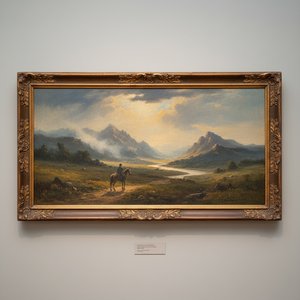
Discover the captivating landscapes of Anthony Vandyke Copley Fielding, a master of Romantic watercolour painting. Explore his life, technique, and legacy with WahooArt – your source for museum-quality art reproductions & expert appraisal.

探索浪漫主义风景画的巅峰!本文精选十部经典名作,带您领略莫奈、库尔贝等大师的艺术魅力。感受色彩与光影的诗意,重温自然风光的震撼。WahooArt.com为您提供博物馆级别的艺术复制品和个性化家居装饰方案。尽在WahooArt.com!

探索康斯塔布尔的25幅传世杰作!沉浸于英国田园风光,感受浪漫主义绘画大师的光影与色彩。高清油画复制、艺术品购买尽在WahooArt.com,为您的家居增添经典之美。立即在线探索完整系列!

Explore the rich history of rural landscape painting with WahooArt. Discover Impressionist masterpieces, key artists & movements. Find your perfect serene artwork and bring nature's beauty home.
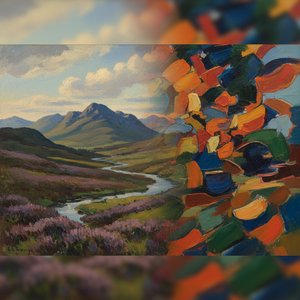
Explore the captivating world of Sir William George Gillies, a leading Scottish Colourist. Discover his journey from Cubism to iconic landscapes & still lifes. Expert insights for collectors and art enthusiasts.


 效果预览
效果预览
 分享
分享 分享
分享
 详情
详情 指南
指南

 下载
下载
 相似作品
相似作品 X射线
X射线 幻灯片播放
幻灯片播放 统计数据
统计数据 展开详情
展开详情









 玻璃选项仅适用于110厘米以下的尺寸。


