
 Oil On CanvasWallArtBaroque
 Late Medieval
 101.0 x 77.0 cm
购买高分辨率增强版数字图像,其品质远超在线预览。
每一份文件都由我们的内部专家使用先进工具与专业的后期润色技术精心打造。我们确保每一张图像都具备卓越的清晰度、精准的色彩还原度以及细腻的细节表现。
最终文件将在 72 小时内通过电子邮件交付,并针对专业、编辑及印刷用途进行了优化。其品质与顶级设计工作室、出版社和画廊所信赖的标准完全一致。
选择 WahooArt.com,您获得的不仅仅是一张图像——您收到的是经过专业级增强、精雕细琢的数字艺术作品,并享有满意保证。以下是您的订单中自动包含的所有内容:

您的高分辨率数字图像文件将在下单后 72 小时内通过电子邮件发送给您 —— 即可立即使用。

您的艺术品经过专业优化,结合先进的 AI 技术与人工修饰,确保呈现极致的细节、清晰度与色彩准确度。

不小心删除了文件或找不到了?没关系——我们将随时为您免费重发。

即刻拥有您的艺术作品,无需支付任何关税、税费或运费——数字下载始终免税。

我们通过专业工具与色彩管理技术,确保您的数字图像尽可能真实地还原原作色彩。

如果您对所购数字图像不满意,我们将在100天内为您进行修改或提供100%的全额退款——无需任何理由。

不满意?在收到数字文件后的100天内,您可以申请全额退款——无需任何理由。

购买 3 张图片可享 10% 折扣 - 购买 5 张可享 15% 折扣 - 购买 10+ 张可享 20% 折扣。非常适合创意项目、画廊和机构使用。
Peter Paul Rubens’ “Virgin and Child,” a masterpiece rendered in oil on panel around 1616, isn't merely a depiction of the Madonna; it’s an immersive experience—a vibrant testament to the power of faith, familial love, and the artist’s masterful command of Baroque dynamism. This intimate scene, often referred to as “The Virgin and Child Surrounded by the Holy Innocents,” immediately draws the viewer into a world saturated with warmth, color, and profound emotional resonance. It's a painting that speaks not just to the eye but also to the heart, inviting contemplation on themes of motherhood, protection, and divine grace.
Rubens’ genius lies in his ability to seamlessly blend religious iconography with an intensely human sensibility. The central figures—Mary cradling the infant Jesus—are rendered with a remarkable tenderness, their faces radiating serenity and maternal devotion. Yet, this isn't a static, idealized representation; Rubens imbues them with palpable life – the slight furrow of Mary’s brow, the gentle curve of her lips, the youthful innocence of Christ’s expression. The inclusion of the Holy Innocents, tiny figures scattered beneath their feet, adds another layer of poignant symbolism, representing the vulnerability and sacrifice inherent in the Christian narrative. The lamb upon which one infant sits is a potent emblem of Christ's future destiny, a foreshadowing of his sacrificial death and resurrection.
Technically, “The Virgin and Child” exemplifies the hallmarks of Rubens’ distinctive Baroque style. He employs a lavish palette—rich reds, deep blues, vibrant greens—creating an explosion of color that dominates the canvas. These hues aren't merely decorative; they are carefully chosen to evoke specific emotions and enhance the painting’s dramatic impact. The brushstrokes themselves are bold and expressive, creating a sense of movement and vitality. Rubens utilizes impasto – applying thick layers of paint – particularly in the drapery and figures, lending them a tactile quality that invites the viewer to reach out and touch them. The composition is carefully balanced, with the central group of figures anchoring the scene while the surrounding elements—the architectural backdrop, the scattered Holy Innocents—add depth and visual interest.
To fully appreciate “The Virgin and Child,” it’s crucial to understand the historical context in which it was created. The early 17th century witnessed a resurgence of religious fervor across Europe, particularly within the Catholic Church. Rubens, who had spent several years in Italy absorbing the influence of Renaissance masters like Raphael, returned to Antwerp with a renewed commitment to depicting religious subjects with both spiritual depth and artistic brilliance. He was commissioned extensively by wealthy patrons—including cardinals and nobles—to create altarpieces, devotional panels, and portraits that would adorn churches, private chapels, and aristocratic residences. This period saw a shift towards more intimate and emotionally charged depictions of biblical scenes, reflecting the growing emphasis on personal piety and devotion.
Beyond its immediate depiction of the Virgin Mary and Christ Child, “The Virgin and Child” is laden with symbolic meaning. The architectural setting—a vaguely classical structure with a receding perspective—suggests both earthly and heavenly realms. The presence of the Holy Innocents underscores the theme of innocence lost and the need for protection. The banner bearing the white pennant, representing the resurrection, subtly hints at the promise of eternal life. Even the positioning of Mary and Christ – Mary seated, cradling Jesus in a gesture of nurturing—reinforces the central themes of motherhood, care, and divine grace. The painting’s overall effect is one of profound serenity and spiritual comfort, inviting viewers to contemplate the enduring power of faith and family.
Rubens' "Virgin and Child" continues to captivate audiences today, inspiring artists and designers alike. High-quality reproductions offer a remarkable opportunity to experience the painting’s vibrant colors and dynamic composition firsthand. Whether adorning a private residence or gracing a museum wall, a reproduction of this masterpiece can infuse any space with a sense of timeless beauty, spiritual depth, and Baroque elegance. It serves as a potent reminder of the enduring power of art to evoke emotion, inspire contemplation, and connect us to the profound mysteries of faith and human experience.
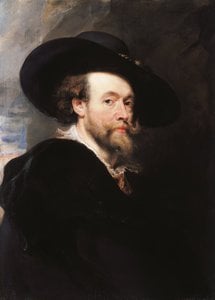
1577 - 1640 , 德国


 效果预览
效果预览
 切换至版画销售渠道
 分享
分享 分享
分享
 详情
详情 指南
指南

 下载
下载
 相似作品
相似作品 X射线
X射线 幻灯片播放
幻灯片播放 统计数据
统计数据 展开详情
展开详情


