
 Oil On PanelFlemish Baroque
 1618
1618 107.0 x 155.0 cm
博物馆级艺术微喷或帆布版画,制作高效,并提供多种饰面选择。 ( 购买手绘画作 切换至数字图像销售渠道)





























从与原作比例一致的预设尺寸中进行选择。

您可以输入自定义尺寸,以适配特定的画框或空间。如果您选择的尺寸与原图比例不符,我们将对作品进行裁剪,或通过镜像填充/纯色填充边缘的方式来扩展图像。在开始制作之前,我们会向您发送一份数字效果图供您确认。
请注意,屏幕上的预览并不能反映实际的裁剪或扩展效果。只有效果图才能准确展示最终的构图。
虽然我们提供定制尺寸,但为了保持原图比例,我们建议您从预设列表中选择尺寸。

Lost Son
复制品尺寸
Peter Paul Rubens's *The Lost Son*, painted in 1618, is more than just a depiction of a bustling farm scene; it’s a visceral embodiment of the Baroque spirit. Measuring 107 x 155 cm, this oil on panel transports us directly into the heart of Flemish rural life, capturing not merely what was seen but how it *felt*. The painting's immediate impact stems from Rubens’ masterful command of light and shadow – a technique deeply rooted in his understanding of classical principles yet infused with an intensely personal Baroque sensibility. Notice how the warm glow illuminates the horses, emphasizing their power and movement, while cooler tones subtly recede into the darker recesses of the barn, creating a dynamic interplay that draws the eye across the canvas.
Rubens’ compositional choices are deliberately theatrical, echoing the grand narratives favored in contemporary religious paintings. The arrangement of the figures – the central horses dominating the space, the scattered farm equipment creating a sense of controlled chaos – speaks to a deliberate desire to engage the viewer's eye and evoke a powerful emotional response. His brushwork is characteristically loose and energetic, particularly evident in the rendering of the animals’ coats and the movement of the horses’ manes. This technique, combined with his use of rich, saturated colors—deep reds, vibrant blues, and earthy browns—creates an almost palpable sense of warmth and vitality. The artist's meticulous attention to detail, from the individual strands of hay to the worn leather of the wheelbarrow, further enhances the realism and immersive quality of the scene.
*The Lost Son* was created during a period of significant social and political upheaval in Europe. The rise of Protestantism had fractured religious unity, and the Spanish Habsburg Empire, Rubens’ patron for much of his career, was facing increasing challenges. This context subtly informs the painting's themes – a celebration of earthly abundance amidst uncertainty, a reminder of the enduring rhythms of nature, and perhaps even an implicit commentary on the fragility of power. Rubens himself navigated this turbulent era with remarkable skill, serving as a diplomat and cultural ambassador while simultaneously producing some of the most celebrated works in art history.
Beyond its realistic depiction of farm life, *The Lost Son* is rich in symbolic meaning. The horses, traditionally associated with power and nobility, represent the strength and resilience of the rural community. The presence of the cow symbolizes fertility and prosperity – essential elements within the agricultural landscape. Rubens’ ability to infuse these everyday objects and scenes with profound emotional depth is a hallmark of his genius. The painting doesn't simply show us a farm; it invites us to contemplate themes of family, labor, faith, and the enduring connection between humanity and nature. It’s a testament to Rubens’ skill in translating complex ideas into a visually arresting and emotionally resonant experience.

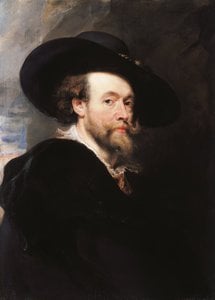
1577 - 1640 , 德国

Elevate your collection with the dramatic grandeur of Baroque oil masterpieces. WahooArt offers exquisite, hand-painted reproductions of the Great Masters, featuring authentic chiaroscuro and premium textures. Discover bespoke artistry and expert consultation for elite collectors worldwide.

Explore the dramatic brilliance of the Flemish Baroque movement. Discover how masters like Peter Paul Rubens utilized chiaroscuro and dynamic composition to redefine art history through light, shadow, and unparalleled emotion.


 效果预览
效果预览
 分享
分享 分享
分享
 详情
详情

 下载
下载
 相似作品
相似作品 X射线
X射线 幻灯片播放
幻灯片播放 统计数据
统计数据 展开详情
展开详情









 玻璃选项仅适用于110厘米以下的尺寸。


