
博物馆级艺术微喷或帆布版画,制作高效,并提供多种饰面选择。 ( 购买手绘画作 切换至数字图像销售渠道)





























从与原作比例一致的预设尺寸中进行选择。

您可以输入自定义尺寸,以适配特定的画框或空间。如果您选择的尺寸与原图比例不符,我们将对作品进行裁剪,或通过镜像填充/纯色填充边缘的方式来扩展图像。在开始制作之前,我们会向您发送一份数字效果图供您确认。
请注意,屏幕上的预览并不能反映实际的裁剪或扩展效果。只有效果图才能准确展示最终的构图。
虽然我们提供定制尺寸,但为了保持原图比例,我们建议您从预设列表中选择尺寸。

Lioness
复制品尺寸
Peter Paul Rubens' "Lioness," a captivating study rendered in charcoal and chalk around 1612-1613, isn’t merely a depiction of an animal; it’s a profound exploration of power, grace, and the artist’s masterful command of light and form. This remarkable work, currently residing within the collection of the British Museum, offers a glimpse into Rubens' meticulous process and his deep understanding of both classical ideals and the raw energy of the Baroque period. The painting immediately draws the eye with its dynamic composition – the lioness is captured mid-stride, her body coiled with contained strength, her mouth open in a gesture that simultaneously conveys alertness and predatory intent. It’s a scene brimming with life, an embodiment of Rubens' signature style: a vibrant fusion of observation, intellect, and artistic flair.
Rubens’ approach to this subject reveals his deep engagement with the natural world. He wasn’t simply sketching; he was studying – likely drawing upon observations of live lions or bronze sculptures that served as models. The meticulous detail evident in the rendering of her fur, the subtle shifts in tone suggesting muscle and movement, speaks volumes about Rubens' dedication to realism. Yet, this realism is far from photographic. Instead, it’s imbued with a heightened sense of drama and theatricality, characteristic of the Baroque aesthetic. Notice how he uses light and shadow – *chiaroscuro* – to sculpt the lioness’s form, emphasizing her musculature and creating a powerful three-dimensional effect on a two-dimensional surface.
To fully appreciate “Lioness,” it's crucial to understand the context within which Rubens worked – the vibrant world of Flemish Baroque art. Emerging in the early 17th century, this style rejected the cool restraint of Mannerism in favor of dynamic compositions, rich colors, and a heightened sense of emotion. Rubens was a leading figure in this movement, and his work is defined by its exuberant energy and sensual appeal. Unlike the more reserved depictions of animals found in earlier art, Rubens’ lions are imbued with a palpable vitality – they seem poised to leap or charge. This emphasis on movement and sensuality reflects the Counter-Reformation's desire to reassert the emotional power of religious imagery.
Rubens’ training in Italy profoundly shaped his artistic vision. He was deeply influenced by the works of Michelangelo, Raphael, and, most significantly, Caravaggio. Caravaggio’s dramatic use of *tenebrism* – a stark contrast between light and dark – became a cornerstone of Rubens' style. Observe how he employs this technique here, creating a sense of drama and highlighting the lioness’s form against the darker background. This interplay of light and shadow not only adds visual interest but also contributes to the painting’s overall emotional impact.
While seemingly a straightforward depiction of an animal, “Lioness” carries layers of symbolic meaning. Lions have long been associated with strength, courage, and royalty – qualities highly valued in Renaissance and Baroque art. The lioness, as the protector of her cubs, embodies maternal power and nurturing instincts. It’s possible that Rubens intended this painting to serve a specific purpose, perhaps as a commission for a wealthy patron or as part of a series exploring themes of power and virtue. Interestingly, the work echoes earlier depictions of Daniel in the Lions' Den from the Bible, suggesting a deliberate connection to religious narrative.
The drawing itself is a fascinating artifact, offering insight into Rubens’ working methods. It demonstrates his meticulous approach to preparing for larger paintings – likely serving as a detailed study for the final composition. The use of charcoal and chalk allowed him to quickly capture the essence of the subject while experimenting with different poses and arrangements. It's a testament to his artistic versatility and his ability to translate observation into powerful visual expression.
For those captivated by the beauty and power of Rubens’ “Lioness,” WahooArt.com offers an exceptional opportunity to own a high-quality, handmade oil painting reproduction. Our skilled artisans meticulously recreate every detail of this iconic artwork, utilizing premium materials – hand-stretched canvas, vibrant oil paints, and museum-quality framing options – to ensure that your reproduction captures the essence of Rubens’ masterpiece. Custom sizes are available, allowing you to seamlessly integrate this stunning image into any space or décor. Explore our collection today and bring a touch of Flemish Baroque grandeur into your home.

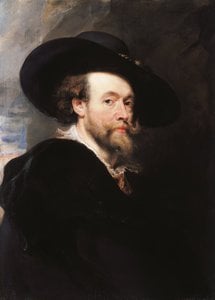
1577 - 1640 , 德国

Elevate your collection with the dramatic grandeur of Baroque oil masterpieces. WahooArt offers exquisite, hand-painted reproductions of the Great Masters, featuring authentic chiaroscuro and premium textures. Discover bespoke artistry and expert consultation for elite collectors worldwide.

Explore the dramatic brilliance of the Flemish Baroque movement. Discover how masters like Peter Paul Rubens utilized chiaroscuro and dynamic composition to redefine art history through light, shadow, and unparalleled emotion.


 效果预览
效果预览
 分享
分享 分享
分享
 详情
详情

 下载
下载
 相似作品
相似作品 X射线
X射线 幻灯片播放
幻灯片播放 统计数据
统计数据
 展开详情
展开详情









 玻璃选项仅适用于110厘米以下的尺寸。


