
 Oil On PanelFlemish Baroque
 1638
1638 23.0 x 30.0 cm
博物馆级艺术微喷或帆布版画,制作高效,并提供多种饰面选择。 ( 购买手绘画作 切换至数字图像销售渠道)





























从与原作比例一致的预设尺寸中进行选择。

您可以输入自定义尺寸,以适配特定的画框或空间。如果您选择的尺寸与原图比例不符,我们将对作品进行裁剪,或通过镜像填充/纯色填充边缘的方式来扩展图像。在开始制作之前,我们会向您发送一份数字效果图供您确认。
请注意,屏幕上的预览并不能反映实际的裁剪或扩展效果。只有效果图才能准确展示最终的构图。
虽然我们提供定制尺寸,但为了保持原图比例,我们建议您从预设列表中选择尺寸。

Landscape with Tower
复制品尺寸
Peter Paul Rubens’s “Landscape with Tower,” painted in 1638, is more than just a depiction of a serene countryside; it's an immersive experience of the Baroque era. This oil-on-panel artwork, measuring 23 x 30 cm, captures the essence of Flemish artistic innovation – a masterful blend of natural beauty and architectural drama that speaks to the period’s fascination with movement, emotion, and opulent spectacle. The painting immediately draws the eye to its dramatic composition: a cloudy sky pressing down upon a castle silhouetted against the horizon, while figures and a horse punctuate the scene with a sense of human presence within this vast landscape.
Rubens was a pivotal figure in the development of the Baroque style, a movement characterized by its emotional intensity, dramatic lighting, and dynamic compositions. His work reflects the broader cultural currents of 17th-century Europe, where religious fervor, scientific inquiry, and artistic innovation converged. “Landscape with Tower” exemplifies this spirit perfectly. The painting’s scale – relatively small but powerfully rendered – was a common feature of Rubens's oeuvre, allowing for intimate engagement with his subjects.
Interestingly, the creation of "Landscape with Tower" coincided with the architectural innovations of Francesco Borromini in Rome. Borromini’s designs, particularly the Chiesa di San Carlo alle Quattro Fontane, were pushing the boundaries of spatial perception and architectural form – concepts that undoubtedly influenced Rubens's approach to composition and perspective. This connection highlights the interconnectedness of artistic movements and intellectual trends during this period.
Beyond its technical brilliance, “Landscape with Tower” is rich in symbolic meaning. The castle itself can be interpreted as a representation of power, both earthly and spiritual. The cloudy sky suggests uncertainty or impending change, while the figures evoke human vulnerability within the face of nature’s grandeur. Rubens was not simply depicting a scene; he was conveying an emotional response to it – a sense of awe, wonder, and perhaps even a touch of melancholy.
“Landscape with Tower” stands as a testament to Peter Paul Rubens's unparalleled skill and vision. This small yet powerful painting offers a glimpse into the heart of the Baroque era, showcasing the artist’s mastery of color, composition, and technique. Its dramatic intensity and evocative beauty continue to captivate viewers centuries later. For those seeking to own a piece of this artistic legacy, a hand-painted reproduction captures the essence of Rubens's genius with remarkable fidelity.

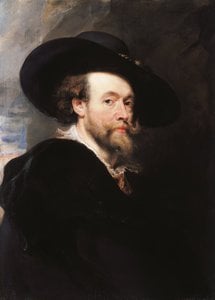
1577 - 1640 , 德国

Discover the enduring allure of oil on panel painting. Explore the technical mastery, historical significance, and luminous depth that define this prestigious medium, from Renaissance masters to modern fine art reproductions for discerning collectors.


 效果预览
效果预览
 分享
分享 分享
分享
 详情
详情

 下载
下载
 相似作品
相似作品 X射线
X射线 幻灯片播放
幻灯片播放 统计数据
统计数据 展开详情
展开详情









 玻璃选项仅适用于110厘米以下的尺寸。


