
博物馆级艺术微喷或帆布版画,制作高效,并提供多种饰面选择。 ( 购买手绘画作 切换至数字图像销售渠道)





























从与原作比例一致的预设尺寸中进行选择。

您可以输入自定义尺寸,以适配特定的画框或空间。如果您选择的尺寸与原图比例不符,我们将对作品进行裁剪,或通过镜像填充/纯色填充边缘的方式来扩展图像。在开始制作之前,我们会向您发送一份数字效果图供您确认。
请注意,屏幕上的预览并不能反映实际的裁剪或扩展效果。只有效果图才能准确展示最终的构图。
虽然我们提供定制尺寸,但为了保持原图比例,我们建议您从预设列表中选择尺寸。

Hero and Leander (detail)
复制品尺寸
Peter Paul Rubens, the undisputed master of Flemish Baroque painting, possessed an extraordinary ability to infuse classical mythology with raw human emotion and breathtaking dynamism. A detail from his monumental work, “Hero and Leander,” offers a compelling glimpse into this talent – a swirling vortex of bodies caught in a moment of both exquisite beauty and impending tragedy. The scene doesn’t merely depict a story; it *embodies* the desperate passion and ultimate futility that define the tale of Hero and Leander, lovers separated by the treacherous currents of the Hellespont.
Rubens draws upon the ancient Greek legend of Hero, a priestess of Aphrodite, and Leander, a young man from Abydos. Their love blossomed across the narrow strait separating Europe and Asia, with Leander daring to swim nightly guided by a lamp lit by Hero in her tower. The detail captures not simply their meeting, but the very essence of their perilous romance – a fleeting moment suspended between ecstasy and disaster. The artist’s composition is masterful; figures intertwine and surge forward, creating a sense of restless energy that mirrors the turbulent sea itself. Nereids, mythical sea nymphs, seem to both witness and participate in the unfolding drama, adding an ethereal quality to the scene. The use of dramatic *tenebrism*, inherited from Caravaggio’s influence during his Italian sojourn, heightens the emotional intensity, casting certain figures into stark relief while others melt into shadow.
The hallmark of Rubens’ style is vividly present in this detail. His brushwork is loose and expressive, prioritizing movement and texture over meticulous detail. Flesh tones are rendered with a remarkable warmth and sensuality, reflecting his fascination with the human form. The figures aren't idealized; they possess a robust physicality that feels strikingly real. This isn’t about portraying perfect gods and goddesses, but rather intensely *human* beings consumed by their passions. Rubens’ color palette is rich and vibrant, employing deep reds, blues, and golds to create a visually stunning spectacle. He wasn’t simply painting a scene; he was constructing an experience – one that engages the viewer on both an intellectual and visceral level.
Created during Rubens's productive period in Italy, around 1604-1605, “Hero and Leander” reflects the artist’s absorption of Renaissance ideals combined with the burgeoning Baroque sensibility. The painting was likely intended for a private collector, catering to the growing demand for mythological subjects among the European aristocracy. The story itself resonated deeply within the cultural consciousness of the time, serving as both a celebration of romantic love and a cautionary tale about its fragility. Today, the enduring appeal of “Hero and Leander” lies in its universal themes – the power of desire, the courage to defy obstacles, and the inevitability of loss. A reproduction of this detail offers not just a beautiful artwork for your space, but a window into a world of passion, drama, and artistic genius.

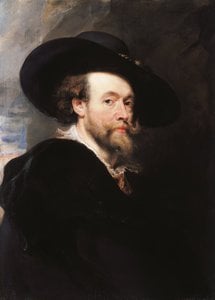
1577 - 1640 , 德国

Explore the dramatic brilliance of the Flemish Baroque movement. Discover how masters like Peter Paul Rubens utilized chiaroscuro and dynamic composition to redefine art history through light, shadow, and unparalleled emotion.

Explore the breathtaking drama of the Baroque era. From the mastery of chiaroscuro to epic mythological narratives, discover a definitive guide to art's most powerful period of light, shadow, and emotion for the true classical art enthusiast.


 效果预览
效果预览
 分享
分享 分享
分享
 详情
详情 指南
指南

 下载
下载
 相似作品
相似作品 X射线
X射线 幻灯片播放
幻灯片播放 统计数据
统计数据

 展开详情
展开详情









 玻璃选项仅适用于110厘米以下的尺寸。


